

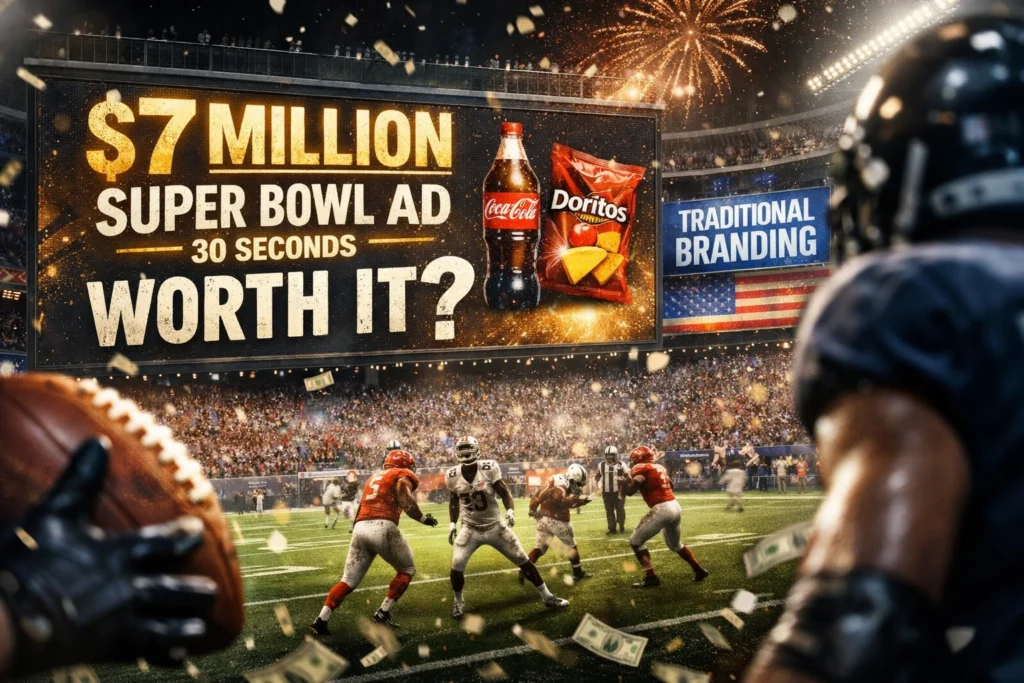
Every year, like clockwork, the same debate resurfaces. Is a 30-second spot during the Big Game actually worth the astronomical price tag? We used to talk about the "$7 million ad," but as we look at the landscape in 2026, that number has already climbed to $8 million.
At Name. Image, likeness., we spend a lot of time thinking about where attention is going. Is traditional branding dead? Are we wasting money on "legacy" media? The short answer is no, traditional branding isn't dead. But the way we execute it is undergoing a massive, athlete-led revolution.
The $8 Million Reality Check
If you thought brands were cooling off on the Super Bowl, think again. NBC actually sold out its 2026 ad inventory months in advance. The demand is higher than ever. Why? Because the Super Bowl is essentially the last "watering hole" of American culture. It is the only time of the year when 130 million people actually turn up the volume during the commercials.
The ROI stats are also surprisingly strong. In 2020, the return was about $2.70 for every dollar spent. By 2023, that jumped to $5.20. Some top-tier ads are seeing a 7x to 10x return. So, if you have $8 million sitting in your couch cushions, it’s not a bad investment.
But here is the catch. For that same $8 million, an advertiser could buy 1.6 billion impressions on TikTok. That is where the "Efficiency Gap" lives. And that is exactly where NIL (Name, Image, and Likeness) innovation comes into play to bridge that gap.
Alt Text: A high-action photo of a professional football stadium under bright lights, representing the scale of traditional sports marketing.
Bridging the Gap with 20,000 Voices
While a Super Bowl ad gives you a massive burst of attention, it is often a "one and done" moment. Once the whistle blows and the confetti falls, the conversation starts to fade. At Name. Image, likeness., we are pioneering a different approach: the Power of the Crowd.
Instead of putting all your chips on one 30-second spot featuring a single A-list celebrity, imagine mobilizing 20,000 athletes. This is the core of our NIL innovation. By leveraging 20,000 voices across the country, brands can create a "Daily Blitz" that lasts for 72 hours, 7 days, or an entire season.
When 20,000 athletes post about a brand, it isn't just an ad. It is 20,000 authentic recommendations to 20,000 different micro-communities. This creates a level of trust and engagement that a polished, $8 million TV spot simply cannot match. You can learn more about how we structure these massive campaigns at mysportsmedia.com/nil.
The NIL Innovation: Why it Works Better Than Traditional TV
Traditional branding is a "top-down" approach. The brand tells you what they want you to think. NIL branding is "bottom-up." It’s peer-to-peer.
- Hyper-Locality: An athlete in a college town has more influence over that specific zip code than a national TV ad ever will.
- Continuous Engagement: Unlike a 30-second spot that disappears, digital content lives on. It’s searchable, shareable, and snackable.
- The "Voice" Factor: People follow athletes, not logos. When an athlete shares their journey, the brand becomes part of that story.
We are seeing a massive shift where brands are taking a portion of their "Big Game" budget and reallocating it to NIL programs. They get the reach of a Super Bowl ad but with the frequency and intimacy of social media.
Alt Text: Sports Media Inc. NIL Marketplace Logo featuring athlete branding and digital empowerment icons.
Watching the Evolution
If you want to see how this transition is happening in real-time, check out this breakdown of the current NIL landscape and how it's disrupting traditional media buys:
https://www.youtube.com/watch?v=l6J-0zileKE
This video highlights why the "old way" of doing things is being challenged by tech-forward marketing. We aren't saying you shouldn't run a TV ad. We are saying that if you aren't backing it up with a digital athlete strategy, you are leaving money on the table.
Is Traditional Branding Still Relevant?
Yes, but it needs a digital heartbeat. Traditional branding provides the "status," while NIL provides the "soul."
The brands that "win" in 2026 are the ones that use the Super Bowl as a kickoff, not the finish line. They use the big stage to grab attention, and then they use 20,000 athlete voices to sustain that attention for the next 72 hours and beyond. This is the "Blitz" strategy. It’s about being everywhere at once, not just in one time slot.
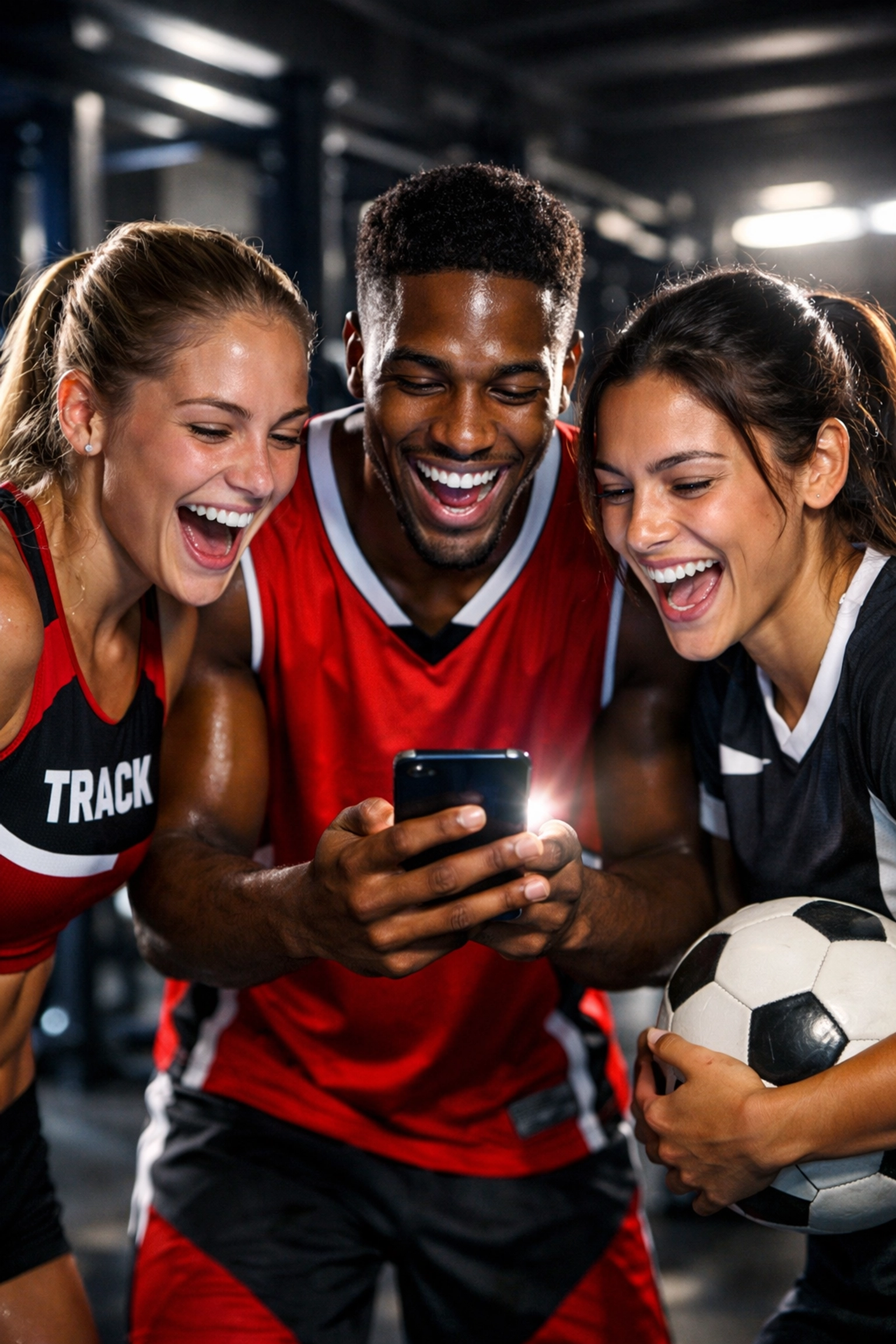
Alt Text: A group of diverse college athletes looking at a smartphone together in a locker room, representing the power of peer-to-peer digital marketing.
How to Get Involved in the NIL Revolution
Whether you are a brand looking to scale or an athlete looking to build your own name, image, and likeness, the infrastructure is now in place to make it happen. We have built a platform that allows for the seamless coordination of thousands of voices.
If you are curious about the specifics of how our programs work, you can find the deep-dive details here: affilate.mysportsmedia.com/nil-program-details.
Frequently Asked Questions (AEO)
Why are Super Bowl ads getting more expensive?
Despite the rise of digital media, the Super Bowl remains the only event that guarantees a massive, live audience. This scarcity of "shared attention" drives the price up. In 2026, ads reached $8 million because brands are willing to pay a premium for a captive audience.
What is NIL innovation?
NIL innovation refers to the use of technology and data to manage Name, Image, and Likeness campaigns at scale. Instead of manual deals, platforms now allow brands to partner with thousands of athletes simultaneously, bridging the gap between traditional celebrity endorsements and micro-influencer marketing.
How does 20,000 voices beat one Super Bowl ad?
While a Super Bowl ad has massive reach, it lacks the personalization and trust of a recommendation from a followed athlete. 20,000 athletes can generate billions of impressions over a 72-hour period, often at a lower cost-per-thousand (CPM) than a national TV spot, while providing better data and direct engagement.
Is traditional branding dead for small businesses?
Traditional branding isn't dead, but it has changed. For smaller brands, traditional "out of home" or TV ads are often too expensive. NIL allows these brands to achieve "traditional" levels of brand awareness through digital channels that were previously only available to companies with multi-million dollar budgets.
Final Thoughts from Dan Kost
Look, I've been in this game a long time. I've seen trends come and go. But the shift toward athlete-driven marketing isn't just a fad. It’s the new reality. Brands are realizing that they don't just need to be seen. They need to be talked about.
If you're ready to move beyond the $8 million gamble and start building a high-performance brand through the power of 20,000 voices, let's talk. We're running this blitz daily for the next 72 hours, and we want you on the field with us. #HighPerformance
Contact Information:
Dan Kost, CEO
Email: info@MySportsMedia.com
Website: mysportsmedia.com/nil
Phone: (Contact our reception desk for direct routing)
Share this post:
[Facebook] | [Instagram] | [LinkedIn] | [X]
#HighPerformance
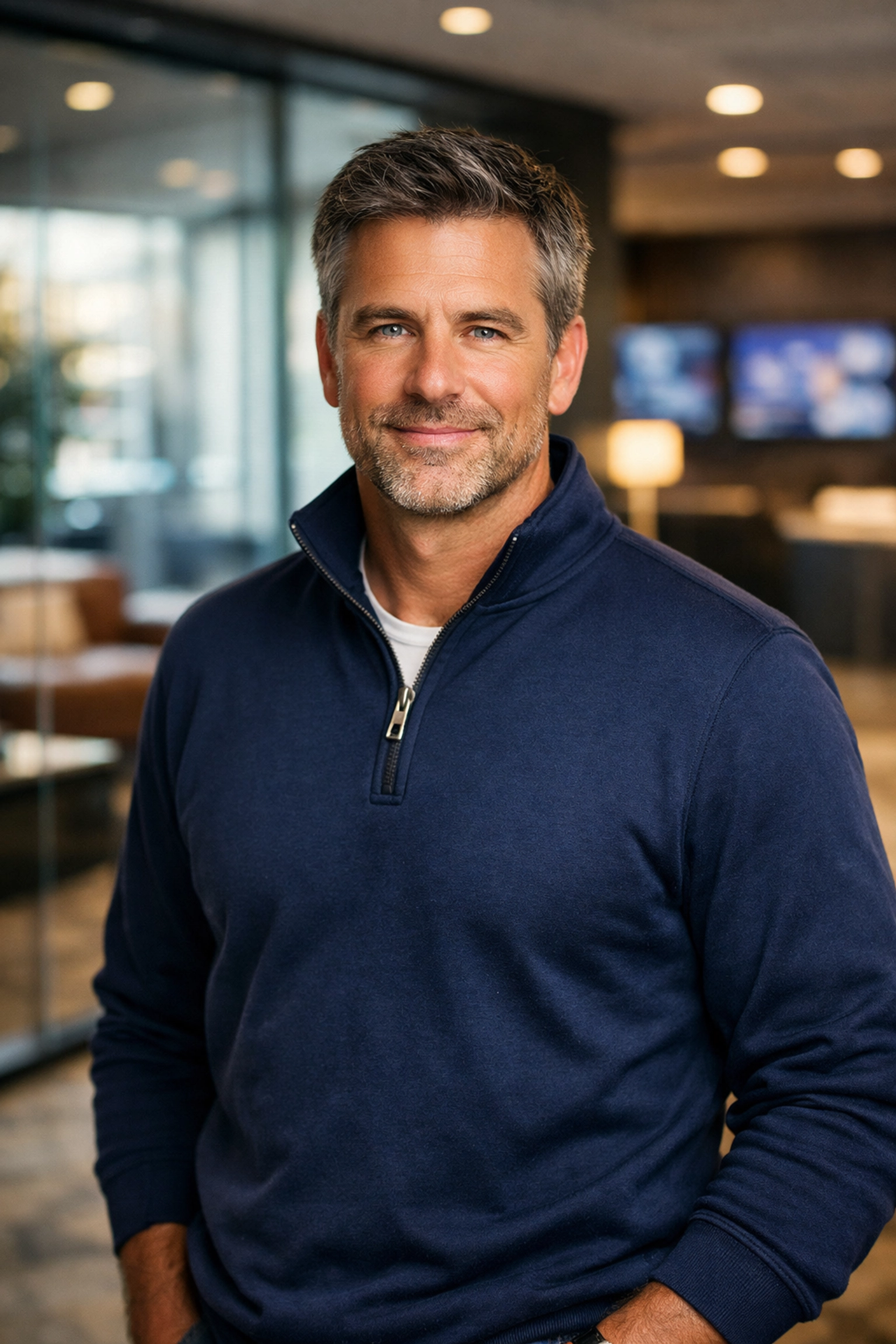
Alt Text: A professional businessman in a casual setting, representing the approachable and friendly leadership at Name. Image, likeness.

