


When the final whistle blows on your competitive career, whether that is after senior year of high school, college, or a decade in the pros, your life is really just beginning. Most student-athletes are trained to think in four-year cycles or season-by-season sprints. We focus on the next game, the next PR, or the next championship. But here at Name. Image. Likeness., we want you to think bigger. We want you to think about career longevity.
Owning the arena isn't just about what you do between the lines. It is about how you carry yourself, how you treat your body, and how you build a brand that lasts for fifty years, not just five. As part of our Super Bowl Blitz series, we are diving deep into what it means to be a "long-term" athlete.
If you want to see what it looks like to truly own your space, check out this motivational breakdown:
https://www.youtube.com/watch?v=l6J-0zileKE
Here are the 10 things every student-athlete needs to know about making their impact last a lifetime.
1. Shift Your Training Mindset
In college, your training is often designed for "peak performance." Your coaches want you at your absolute fastest and strongest for a specific three-month window. When you transition into the "real world," that mindset has to change. Career longevity requires moving from peak performance to sustainable health.
You aren't training to win a gold medal every Tuesday anymore. You are training so that you can stay active, pain-free, and capable for decades. The strategies you used to prevent injury on the field are the same ones that will keep you out of the doctor's office in your 40s.
2. Muscle Mass is Your Foundation
Think of muscle mass as your physical pension plan. As we age, our bodies naturally lose muscle and strength. This leads to frailty and a higher risk of injury. For a student-athlete, maintaining that foundation of strength is a non-negotiable priority.
Grip strength and overall muscle function are actually some of the strongest predictors of how long you will live. Keep hitting the weights, even if the goals have changed. You aren't just building "beach muscles." You are building a shield for your skeleton.

3. Train with Smart Intensity
We love the "no pain, no gain" mantra in sports. But for long-term health, you need to be smarter. Working at 70 to 85 percent of your maximum strength is often the sweet spot. It allows you to preserve muscle function without putting excessive stress on your joints.
High-impact loading is great when you're 19 and chasing a ring. When you're looking at career longevity, you want controlled, high-quality repetitions. Stop trying to "max out" every week. Your joints will thank you when you're 50.

Alt Text: A realistic photo of a former collegiate athlete performing a controlled deadlift in a high-end fitness facility, focusing on form and stability.
4. Balance Your Cardio
Don't just run until you collapse. A smart cardiovascular strategy involves balance. You need "Zone 2" training, which is sustained effort at about 60 to 70 percent of your max heart rate. Think of it as a fast walk on an incline, a steady cycle, or a rowing session where you can still hold a conversation.
Combine this with occasional sprint intervals to keep your VO2max high. This balance improves your aerobic efficiency and your metabolic flexibility, which are key components of staying healthy long after the jersey comes off.
5. Prioritize Movement and Mobility
You spent years developing incredible movement quality. Don't let it slide. Dedicate at least 10 minutes a day to a mobility routine. Whether it’s yoga, Pilates, or just basic stretching, keeping your joints mobile is the best way to prevent the "stiffness" that plagues former athletes.
If you lose your mobility, you lose your ability to stay active. And if you can't stay active, your brand and your health both suffer. Check out our NIL resources to see how staying in "game shape" helps your marketability.
6. Recovery is a Critical Component
In the pros, recovery is treated with the same respect as the workout itself. You should do the same. Sleep, hydration, and smart nutrition are the pillars of longevity.
We’re talking about more than just a nap. You need to optimize your sleep environment and stay on top of your hydration. Supplements like omega-3s and collagen can also support joint integrity. Treat your body like the high-performance machine it is, even if you’re just "desk-jockeying" for a while.
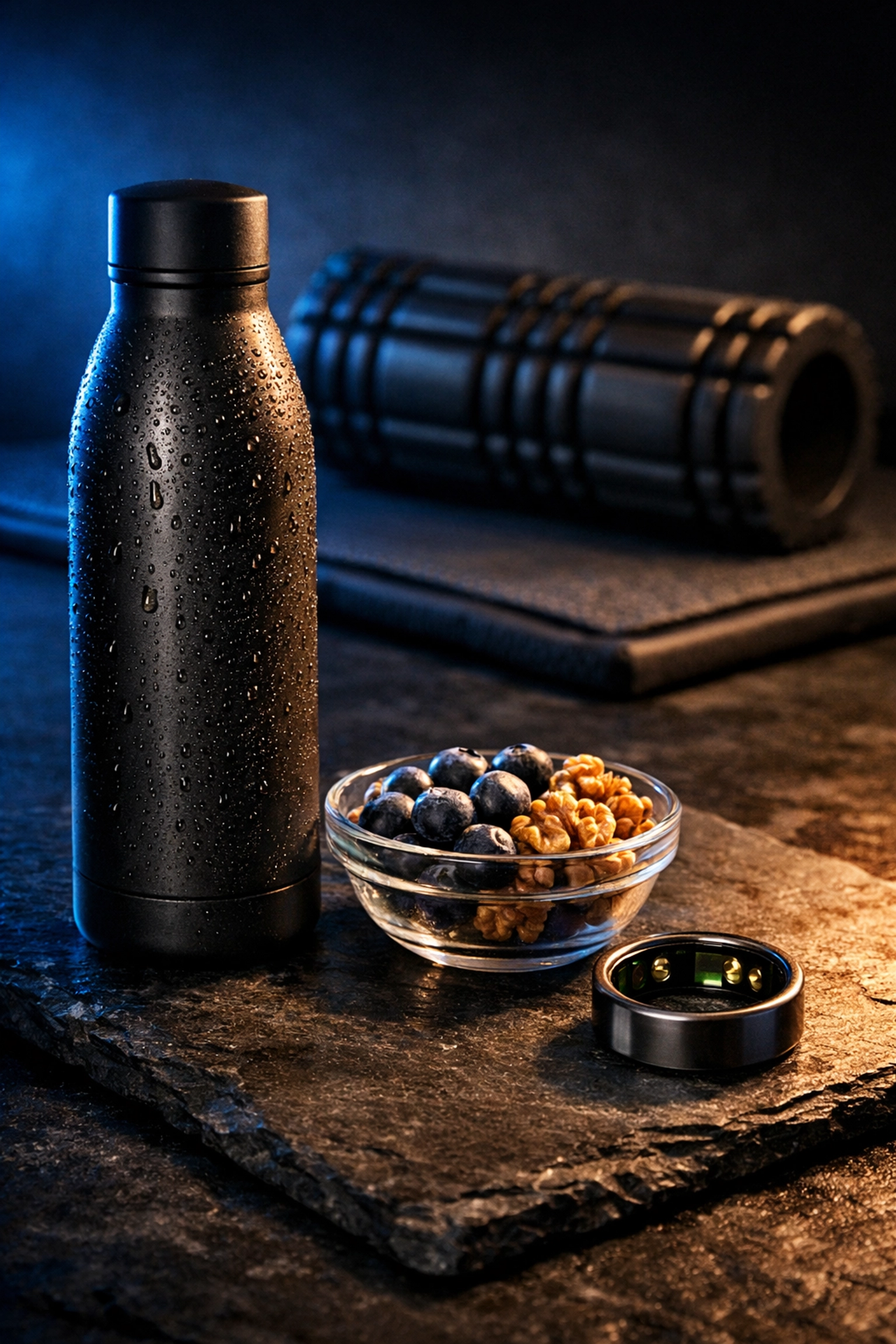
Alt Text: A realistic image of a professional-grade recovery setup including a high-quality water bottle, healthy whole foods, and a wearable sleep tracker.
7. Compound Movements and Balance
Stick to the basics. Squats, deadlifts, presses, and rows are the "big rocks" of any training program. However, as you look toward longevity, start incorporating more unilateral (single-leg or single-arm) work.
Sports often create imbalances because we favor one side of our body. Single-leg lunges or single-arm presses help fix those asymmetries. This keeps your body balanced and reduces the risk of chronic pain down the road.
8. Use Auto-Regulated Training
A rigid training plan is great for a team setting, but for a lifelong athlete, you need to listen to your body. Some days you wake up feeling like a superhero. Other days, you feel like you got hit by a truck.
Auto-regulation means adjusting your intensity based on your daily readiness. If you didn't sleep well or your stress is high, back off. If you feel great, push it. This "smart progression" minimizes strain and keeps you in the game longer.
9. Fuel for the Long Haul
Nutrition isn't just about "making weight" anymore. It is about supporting your musculoskeletal system. You need adequate protein to maintain that muscle mass we talked about earlier. Focus on whole-person nutrition.
Eat like an athlete even if you aren't competing this weekend. The habits you build now will dictate how you feel in twenty years. Your diet is the fuel for your longevity.
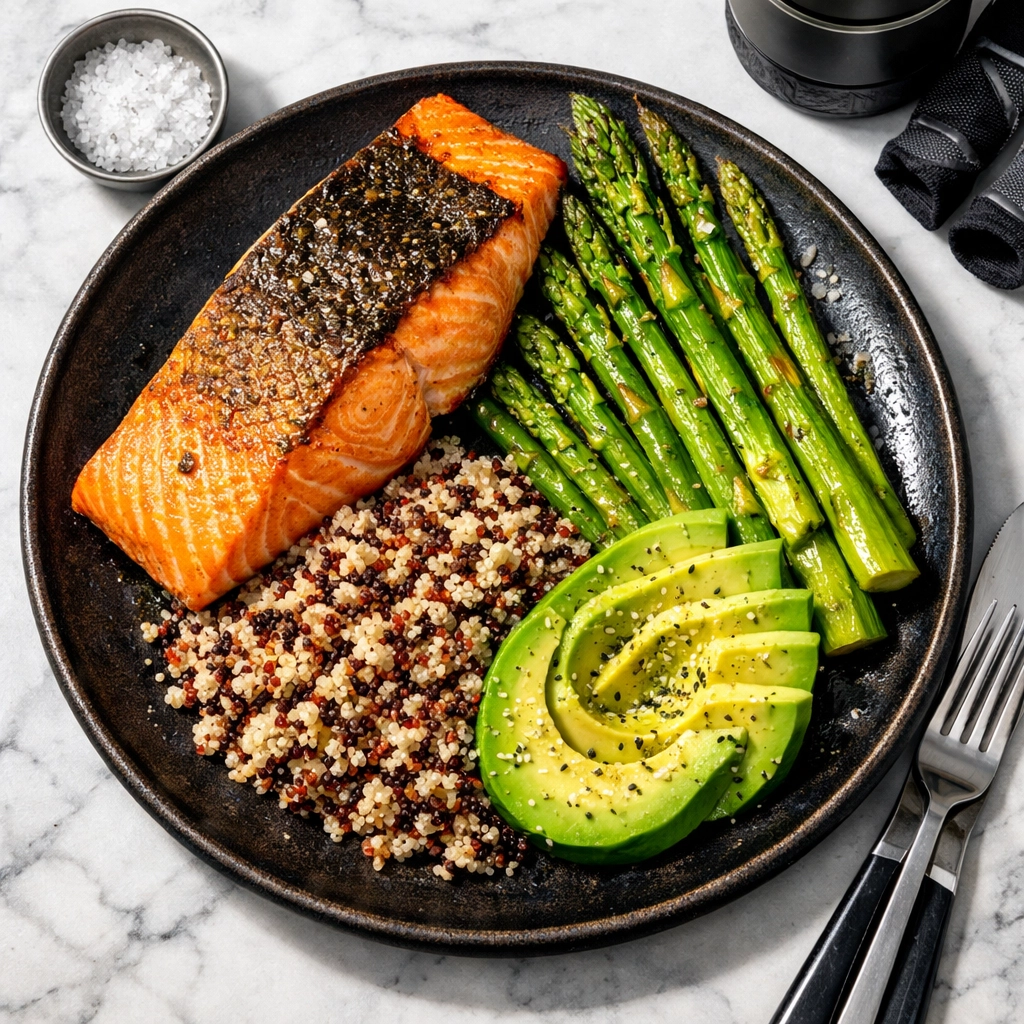
Alt Text: A photo of a well-balanced meal featuring lean protein, colorful vegetables, and complex carbohydrates, arranged in an appealing and realistic kitchen setting.
10. Mental Resilience and Adaptability
This is the most important one. Physical health is only half the battle. You have to be mentally resilient. The transition away from competitive sports can be tough on your identity.
Practicing mindfulness and learning to adapt your approach as your body changes is vital. You might not be able to dunk like you used to, but you can still be the fittest person in the room. Resilience is about finding new ways to win.
Owning Your Arena Beyond the Game
At Name. Image. Likeness., we believe that every student-athlete has the potential to build a lasting legacy. That legacy starts with your health and ends with your brand. Career longevity means you are still relevant, still healthy, and still "owning the arena" long after the crowds have gone home.
By focusing on these ten principles, you aren't just preparing for a post-sport life. You are ensuring that your "prime" lasts for decades. If you are ready to take control of your brand and your future, visit us at mysportsmedia.com/nil.
Stay hungry. Stay healthy. #HighPerformance
Contact Information:
Dan Kost, CEO
Email: info@MySportsMedia.com
Website: mysportsmedia.com/nil
Phone: (Contact through our digital receptionist on the site)
Share this post:
[Facebook] | [Instagram] | [LinkedIn] | [X]
FAQ: Career Longevity for Athletes
How often should I strength train after I stop competing?
Most experts recommend 2 to 3 full-body sessions per week at moderate intensity to maintain muscle mass and joint health.
What is the best way to prevent joint pain as I get older?
Prioritize daily mobility work and maintain a strong foundation of muscle. Supporting your joints with strength is the best way to keep them healthy.
Does my NIL brand depend on me staying active?
Absolutely. Many brands look for "lifestyle" athletes who embody health and wellness. Maintaining your fitness makes you a more versatile and long-term brand ambassador.
What is Zone 2 training?
It is aerobic exercise performed at a pace where you can still carry on a conversation. It’s great for heart health and recovery without overtaxing your system.

Alt Text: A realistic shot of a young professional athlete engaging in a business meeting, illustrating the transition from the field to the boardroom while maintaining a fit appearance.

