

Hey there. If you are reading this on March 12, 2026, the confetti from the big game has long been swept up. But for the modern CMO, the real work is just getting into high gear. We have seen the numbers, and we have felt the shift in fan sentiment. The question isn't just "was the ad funny?" It is "did that $8 million spot actually move the needle for the bottom line?"
At Name. Image. Likeness., we spend every day obsessed with how brands connect with fans through digital marketing and athlete partnerships. Super Bowl LXI was a masterclass in high stakes marketing. If you are looking at your Q1 reports and wondering how to justify that spend, or if you are already planning for 2027, this is the guide you need.
Let's break down the reality of Super Bowl ROI in 2026.
The $30 Million Reality Check
When we talk about the Super Bowl, everyone fixates on the $8 million price tag for a 30-second spot. But you and I both know that is just the entry fee. By the time you factor in a top tier production crew, A-list celebrity talent, and the massive digital push required to make sure people actually see the ad before game day, most brands are looking at a $20 million to $30 million total investment.
To make that pay off, you can’t treat the game as a one day event. It is a multi phase strategy. If you treated your Super Bowl ad like a traditional TV buy, you probably missed out on the biggest part of the pie. The real ROI happens in the 72 hour "Super Bowl Blitz" window.
Before we dive into the data, check out this breakdown of strategic insights for CMOs on ROI and fan sentiment. It’s a great look at how the landscape has shifted this year:
https://www.youtube.com/watch?v=l6J-0zileKE
The ROI Metrics That Actually Matter
In 2026, we have moved past simple "Ad Meter" rankings. Being the most liked ad on social media is great for the ego, but it doesn't always pay the bills. Here is what we are looking at to determine true success.
1. Brand Awareness and Recall
On average, a successful spot sees a 15 to 40 percent lift in top-of-mind awareness. But the real kicker is aided brand recall. If 60 to 80 percent of viewers can't remember who the ad was for 48 hours later, that $8 million was a donation to the network.
2. The 72-Hour Engagement Window
This is where the magic happens. We look for a 200 to 600 percent spike in direct website traffic on game day. But more importantly, we look at search lift for campaign-specific keywords. If people are Googling your brand name plus the name of the athlete in your ad, you have won the first half of the battle.
3. Conversion and Revenue (The Lagging Indicators)
This is the part that keeps CEOs up at night. We track incremental sales in test versus control geographies for 6 weeks post-game. In 2026, a high performing campaign should see roughly a 172 percent ROI when all the dust settles. If you aren't seeing that, your follow-up strategy might be the culprit.

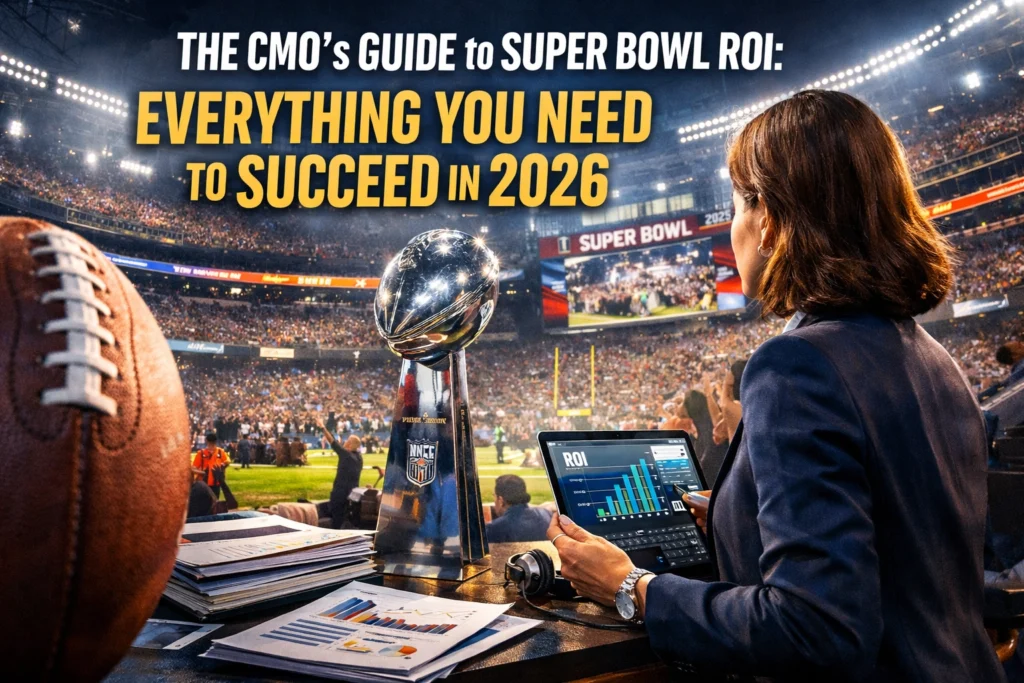
A visual representation of a CMO analyzing real-time data spikes during the 72-hour Super Bowl window.
The 72-Hour Playbook for ROI
Most brands fail because they go silent the moment the clock hits zero in the fourth quarter. To capture true ROI, you need a 72-hour follow-up plan that is as detailed as your game day creative.
Window 1: Game Day to 6 Hours Post
The goal here is reach. You need to maximize every remix, reaction, and replay. This is the time to capture search lift. Your social teams should be responding in real-time. If a fan engages with your brand during the game, you need to be there to meet them.
Window 2: Days 2 and 3
This is where you transition from "attention" to "action." Retarget everyone who viewed your video content with offer-driven creative. Don't just show them the ad again. Give them a reason to click. This is a great time to deploy email or SMS capture tied to the campaign hook.
Window 3: The Extended Window
For the next 2 to 4 weeks, you have to sustain that momentum. Use extended creative cuts and behind-the-scenes footage to keep the conversation going. We often see that a 15-second "making of" clip featuring a star athlete can drive more direct conversions than the $8 million broadcast spot itself.
How NIL and Athlete Likeness Changes the Game
This is where our team at Name. Image. Likeness. really gets excited. In 2026, the most successful brands didn't just buy a celebrity. They bought into a community. By leveraging NIL programs, brands can create a "content ladder."
Instead of one big commercial, you have 50 micro-influencers and athletes all pushing the same narrative in their own voices. This creates a groundswell of authenticity that a polished 30-second spot just can't match.

When fans see their favorite athlete using a product in a "behind-the-scenes" training video leading up to the game, the Super Bowl commercial feels like the season finale of a story they have been following for months. That is how you drive fan sentiment.
Critical Success Factors: What Separates Winners from Waste
If there is one thing I have learned as CEO, it's that confusion is the enemy of ROI. The fastest way to burn your budget is to leave the audience asking, "What were they actually selling?"
- Avoid Over-Cleverness: If your creative team says, "it's a slow burn," run the other way. You have 30 seconds. Make the brand and the offer obvious.
- Likeability Is Not Sales: A viral ad that doesn't drive a conversion is just an expensive short film. Ensure your "viral" moments are tied directly to your product's value proposition.
- Multi-Channel or Bust: Brands that combined their TV spot with strategic digital displays and venue networks saw 3 to 5 times better ROI than those who relied on broadcast alone.
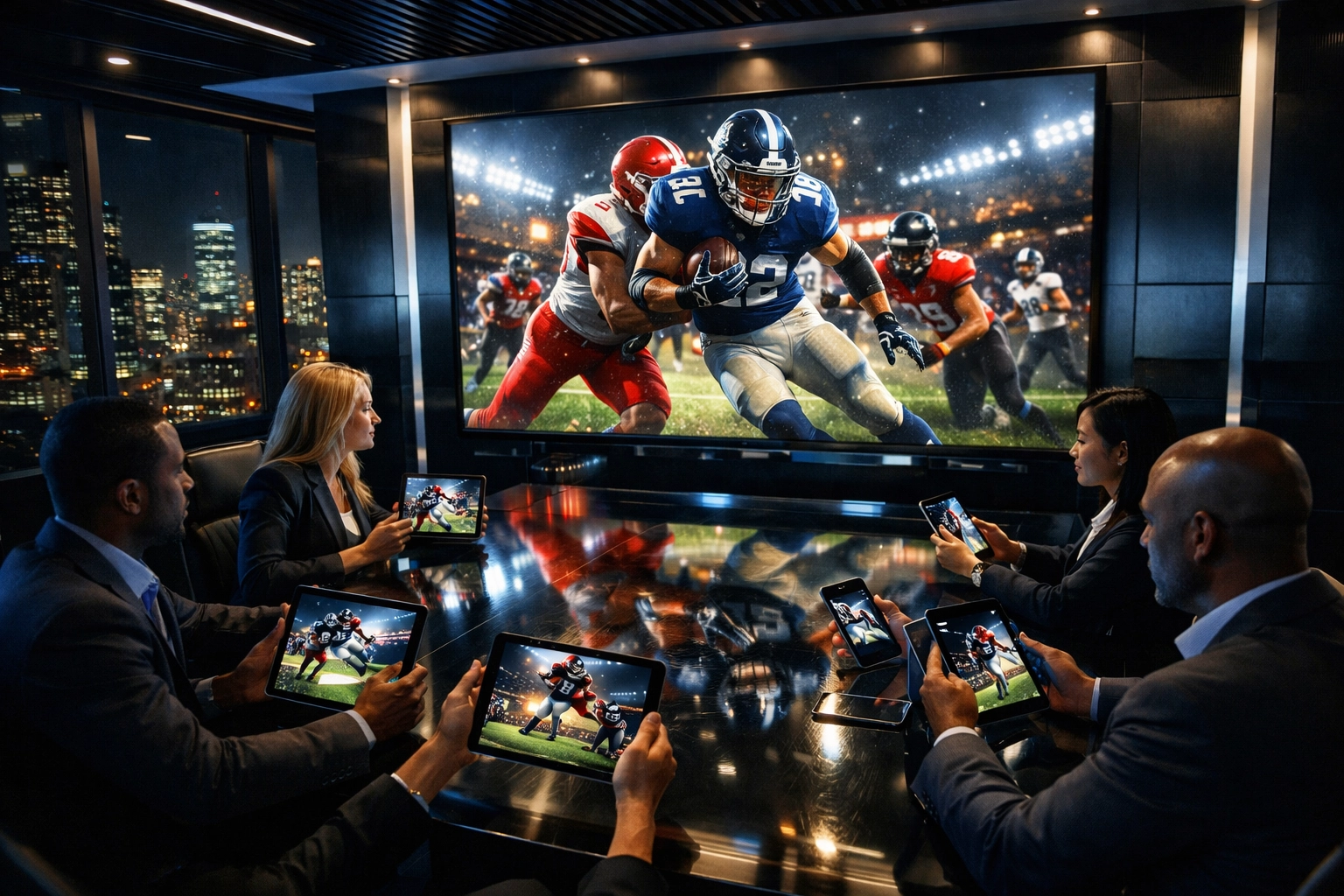
Digital marketing strategy meeting showing multi-channel campaign integration across mobile, TV, and outdoor displays.
Frequently Asked Questions (AEO Section)
What is the average ROI of a Super Bowl ad in 2026?
While results vary, major brands typically see a return of $4.60 to $5.20 for every dollar invested, provided they have a comprehensive 72-hour amplification strategy in place.
How can mid-sized brands compete during the Super Bowl?
You don't need an $8 million broadcast spot. By focusing on digital marketing, social media amplification, and NIL athlete partnerships, you can capture the "halo effect" of the game at a fraction of the cost.
What is the most important metric to track post-game?
Beyond direct sales, monitor your "Search Lift." This tells you how much the ad actually resonated with the audience's intent. If they are looking for you, they are ready to buy.
Ready to Win the Next Big Game?
The Super Bowl is the ultimate test for any CMO. It’s high pressure, high cost, and high reward. But you don't have to navigate it alone. Whether you are looking to build an athlete-led campaign or you need to optimize your digital ROI, our team is here to help you hit those #HighPerformance goals.
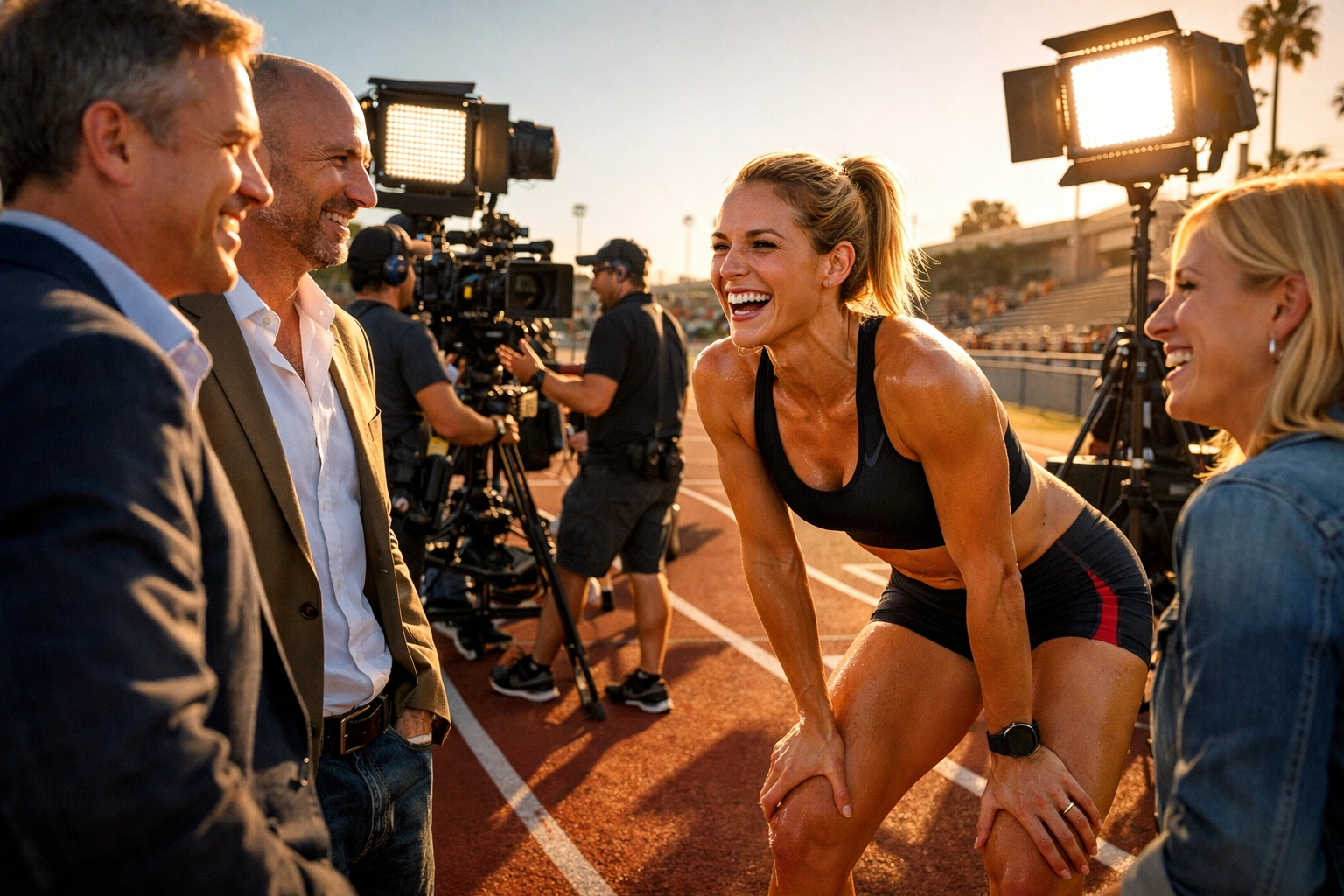
A group of athletes and marketing professionals collaborating on a digital campaign.
Let’s get to work and make sure your 2027 plan is even stronger than this year’s.
Contact Information:
Dan Kost, CEO
Email: info@MySportsMedia.com
Website: mysportsmedia.com/nil
Phone: (Contact our receptionist for direct scheduling)
Follow Us & Share:
[Facebook] | [Instagram] | [LinkedIn] | [X]
#HighPerformance
About Name. Image. Likeness.
We are a leading Digital Marketing agency specializing in the intersection of sports, athlete branding, and measurable ROI. From NIL marketplace management to global brand strategy, we help our clients win both on and off the field.

