

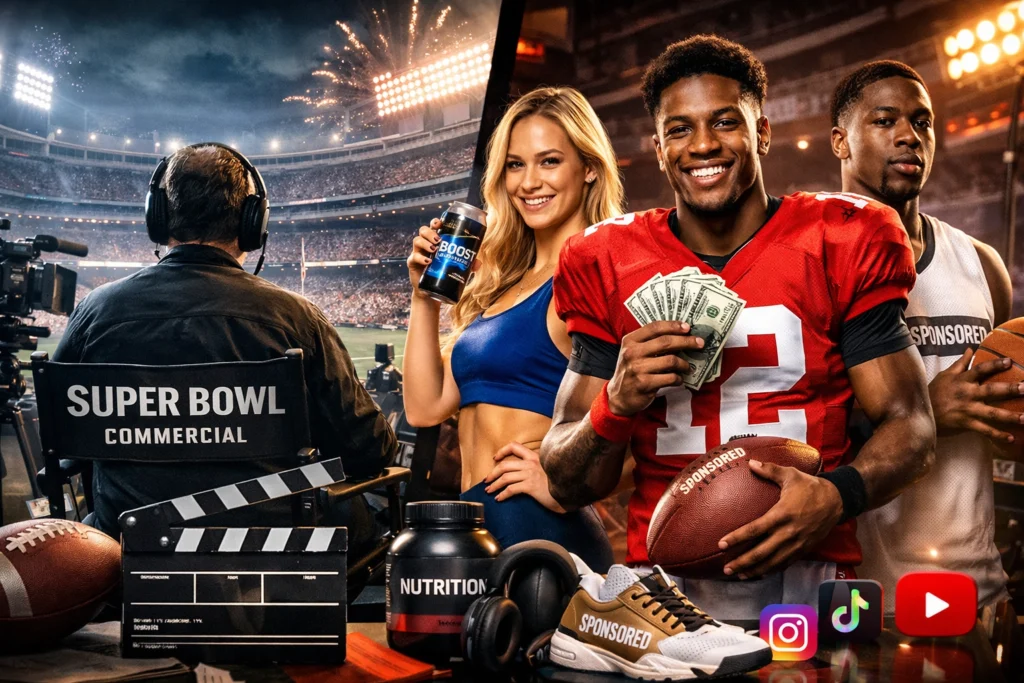
Remember when Super Bowl commercials were the most talked-about thing on Monday morning? When we'd gather around our phones to watch the replays, debate which ad won, and actually look forward to the commercial breaks more than the game itself?
Yeah, those days are over.
The $7 Million Flop
Let's talk numbers. In 2026, brands shelled out over $7 million for a 30-second spot during Super Bowl LX. That's more money than most people will see in their entire lives, dropped on half a minute of airtime. And what did they get for it?
According to recent ad performance data, only 48% of this year's Super Bowl commercials scored high for humor, compared to 70% in each of the previous three years. Even worse? Half of the spots scored a flat 0.0 on the funny scale. Zero. Zilch. Nada.
But here's the kicker: these brands didn't pivot to heartfelt storytelling either. The highest emotional score clocked in at just 4.0, while previous years' best performers regularly hit between 5.2 and 9.1. Translation? The ads weren't funny, weren't touching, and definitely weren't memorable.
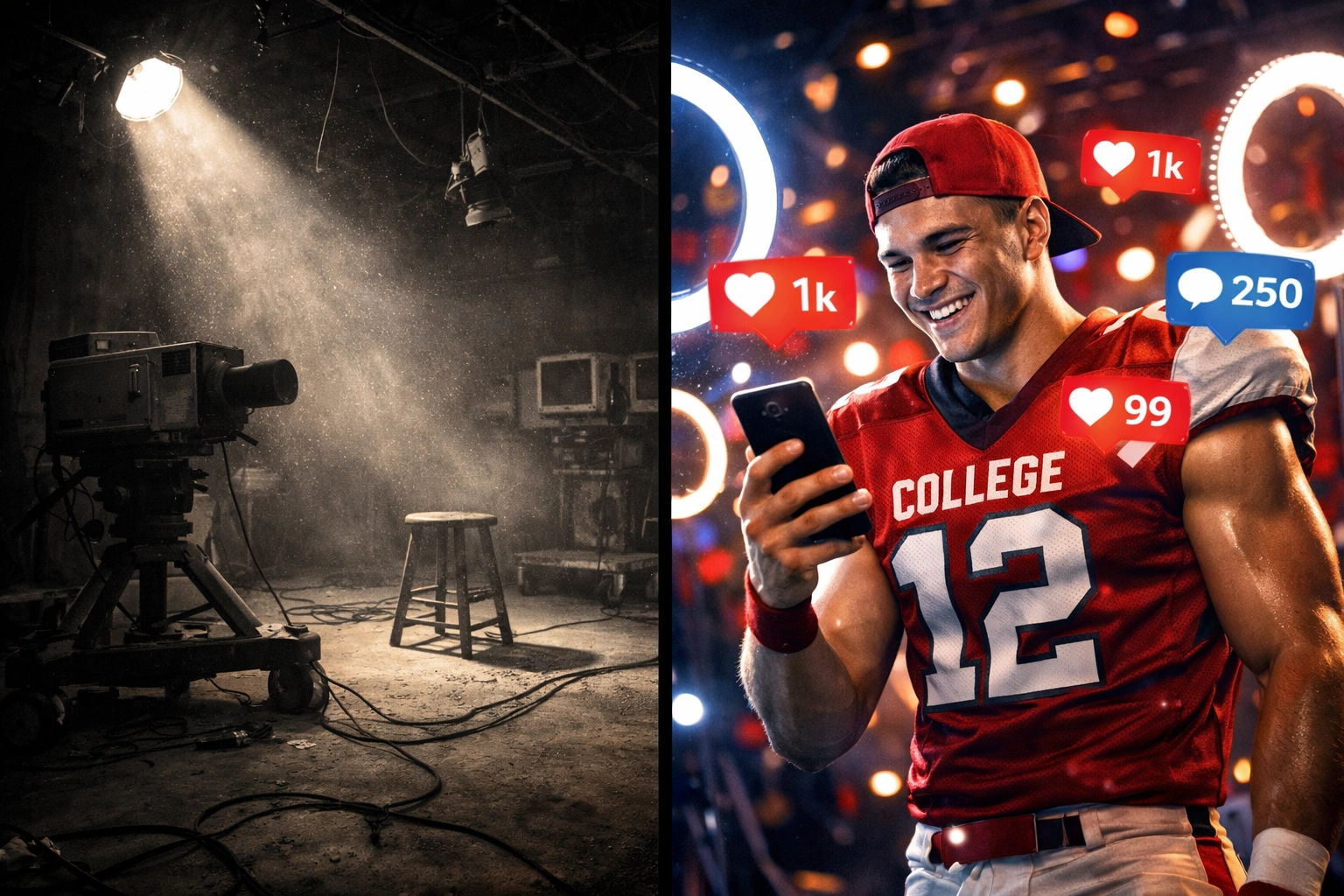
Celebrity Fatigue Is Real
This year's Super Bowl exposed another brutal truth: celebrities aren't the magic bullet they used to be. When Serena Williams appeared in an ad that fell flat, or when Uber Eats packed in star after star without a compelling story, viewers checked out. The research is clear: celebrity cameos used as substitutes for actual ideas just don't work anymore.
Why? Because people can smell inauthenticity from a mile away. We're living in an era where a TikTok from someone's living room can get more engagement than a multimillion-dollar production. Audiences want real people, real stories, and real connections.
Enter the NIL Revolution
While traditional advertisers are stuck in the old playbook, there's a massive shift happening in sports marketing. Name, Image, and Likeness (NIL) athletes are rewriting the rules of brand engagement, and smart companies are taking notice.
Here's what makes NIL athletes different: they're not just faces on a screen. They're active voices in their communities. They have built-in audiences who trust them. And most importantly? They're authentic. When a college athlete talks about a product or service, their followers know it's because they actually use it, not because they got handed a script by a creative agency.
20,000 Voices Are Louder Than One
Think about it this way: would you rather have one Super Bowl commercial that costs $7 million and reaches people for 30 seconds during bathroom breaks, or 20,000 authentic athlete voices creating content, engaging with fans, and building genuine relationships over 72 hours?
That's not a hypothetical. That's the new reality of sports marketing.
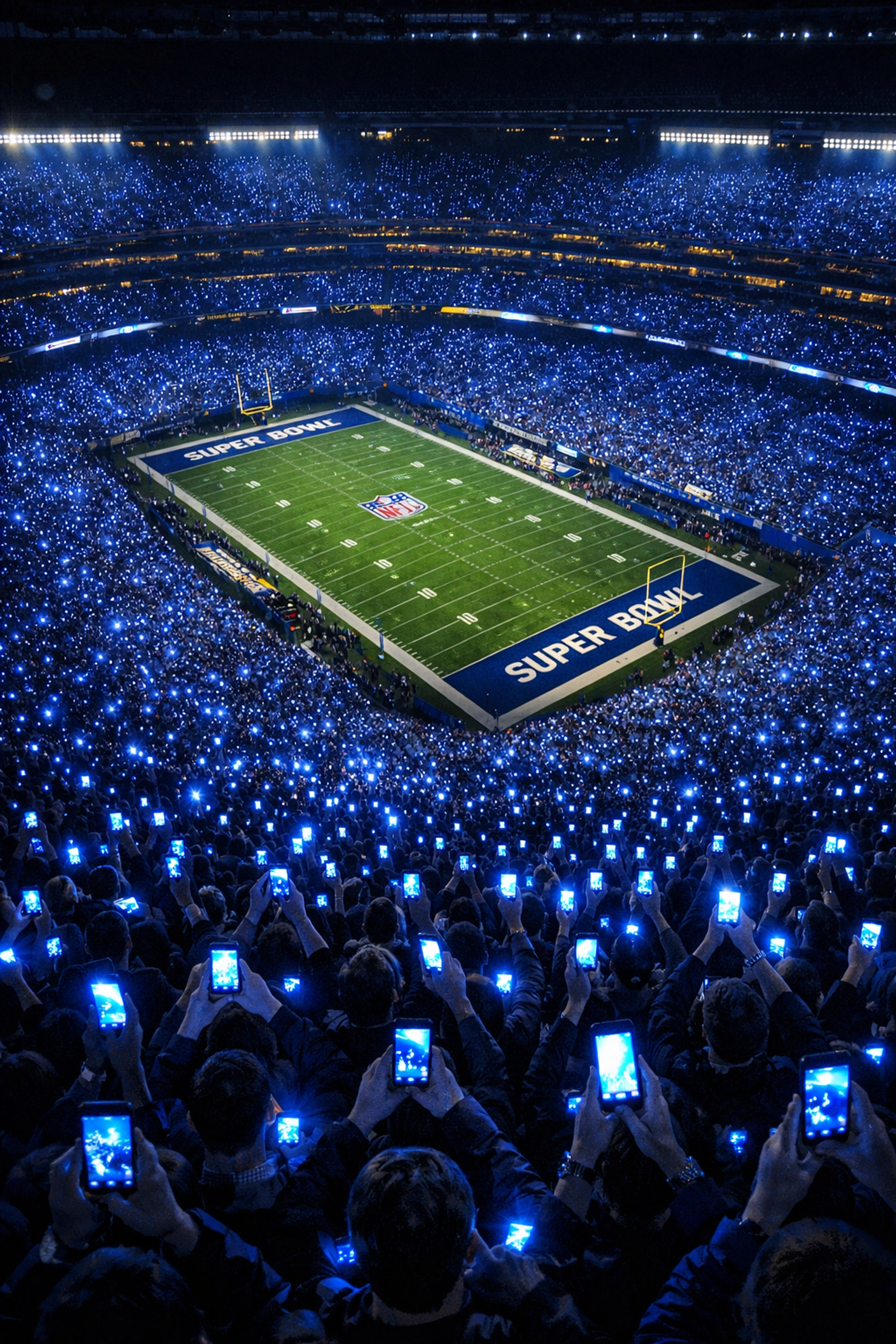
During the Super Bowl weekend, while brands were sweating over their 30-second spots, NIL athletes across the country were creating thousands of pieces of content. Instagram stories from locker rooms. TikToks with teammates. Real-time reactions to the game. Behind-the-scenes content that actually connects with fans.
The math is pretty simple: 20,000 micro-moments of authentic engagement beat one expensive commercial every single time.
What the Data Actually Shows Us
The ads that DID work during Super Bowl LX shared something crucial: they featured clear product truths and strong visual storytelling. They felt like "short films that happened to have a brand message" rather than obvious marketing.
Sound familiar? That's exactly what NIL athletes do naturally. They're not creating ads, they're creating content. They're not pushing products, they're sharing their lives. And when a brand fits authentically into that narrative, magic happens.
Meanwhile, brands that relied on AI-generated content during the game found themselves in hot water. Viewers were so frustrated by the flood of obviously artificial ads in the first quarter that they took to social media to complain. It was the cryptocurrency ad saturation all over again.
The message is clear: people want humanity, not algorithms. They want stories, not sales pitches. They want connection, not commercials.
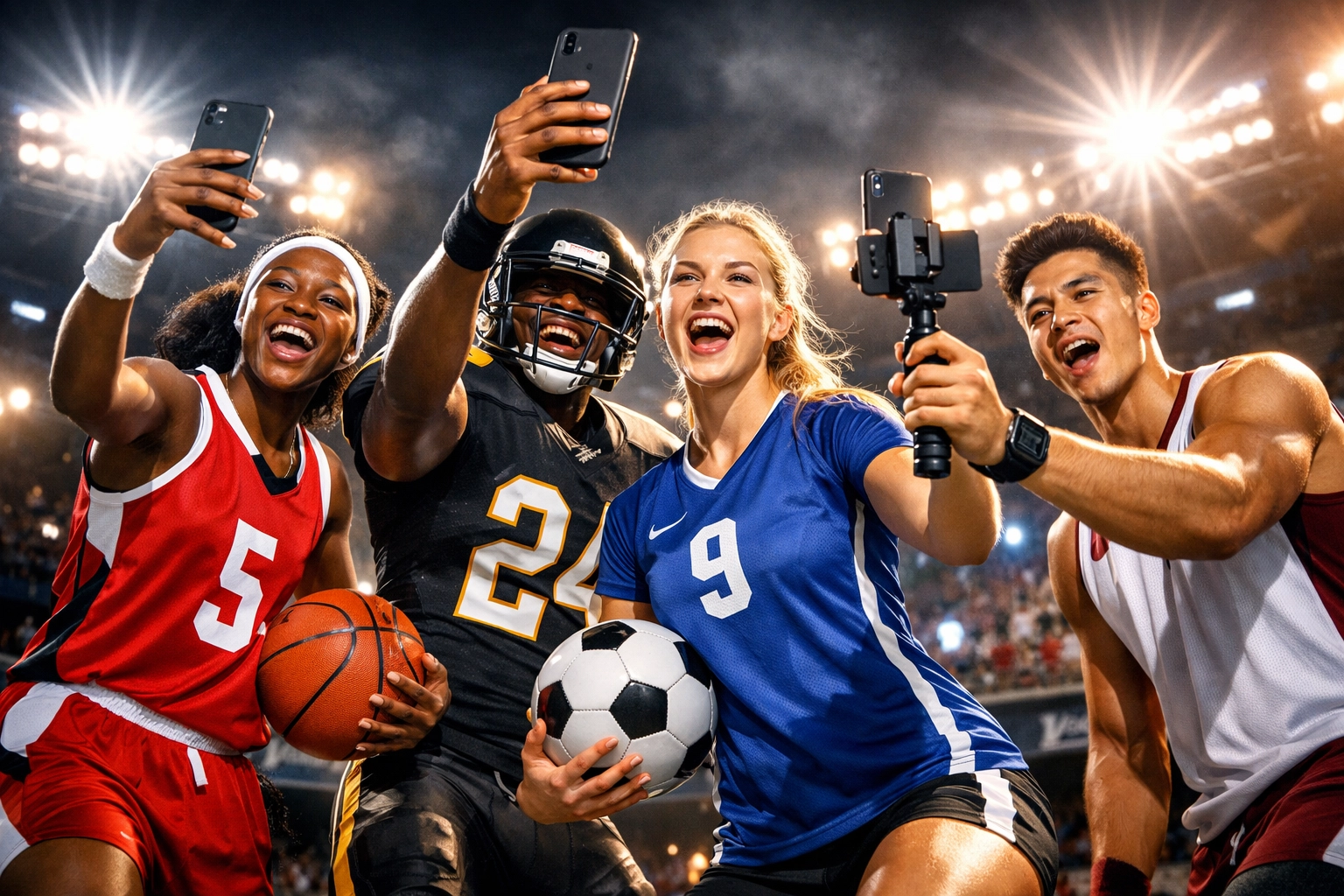
The 72-Hour Blitz Strategy
Here's where it gets really interesting. While traditional Super Bowl advertisers get one shot, one moment, one chance to make an impression, NIL marketing operates on a completely different timeline.
Imagine launching a campaign that runs for 72 hours straight. Athletes posting pre-game content. In-game reactions. Post-game celebrations. Monday morning recaps. Tuesday reflections. It's a continuous conversation, not a single broadcast.
This sustained engagement creates something Super Bowl ads never could: ongoing dialogue. When an athlete posts about a brand, their followers comment, share, and engage. The athlete responds. Community forms. Relationships build.
Compare that to a Super Bowl commercial that airs once, maybe gets shared a few times, and then disappears into the void of forgotten ads. There's no contest.
Why This Matters for Your Brand
If you're a brand manager reading this while nursing your Super Bowl ad hangover, here's the good news: it's not too late to pivot. The NIL marketplace is wide open, and athletes at every level are looking for authentic brand partnerships.
The barrier to entry is lower than you think. You don't need a $7 million budget. You need a genuine product or service, a willingness to build real relationships, and an understanding that authenticity beats production value every single time.
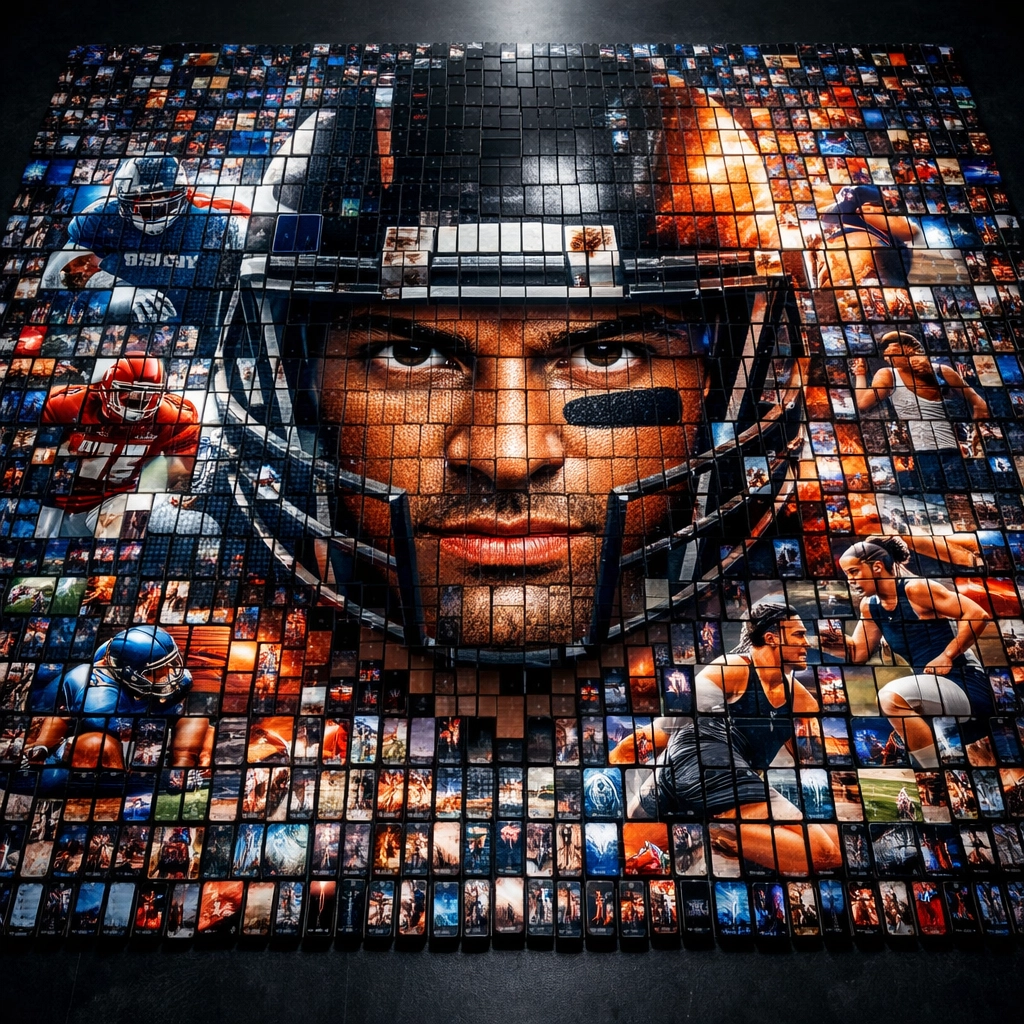
Plus, the ROI is actually measurable. Unlike Super Bowl commercials where you're trying to calculate brand lift and awareness through fuzzy metrics, NIL partnerships give you real data. Engagement rates. Click-throughs. Conversions. You can see exactly what's working and adjust in real-time.
The Future Is Already Here
Super Bowl commercials aren't completely dead, but they're definitely on life support. The future of sports marketing is decentralized, authentic, and athlete-driven. It's about building communities, not broadcasting messages. It's about relationships, not reach.
The brands that figure this out first will dominate the next decade of sports marketing. The ones clinging to the old model? They'll keep spending millions for diminishing returns, wondering why their ads aren't landing like they used to.
The spotlight has moved. NIL athletes are standing in it. And they're inviting brands to join them in creating something actually worth watching.
Ready to explore how NIL athletes can transform your marketing strategy? Visit mysportsmedia.com/nil to learn more about connecting with authentic athlete voices, or check out our NIL Program Details to get started.
Contact us:
Dan Kost, CEO
Email: info@MySportsMedia.com
Website: mysportsmedia.com/nil
Share this post: Facebook | Instagram | LinkedIn | X
#HighPerformance

