

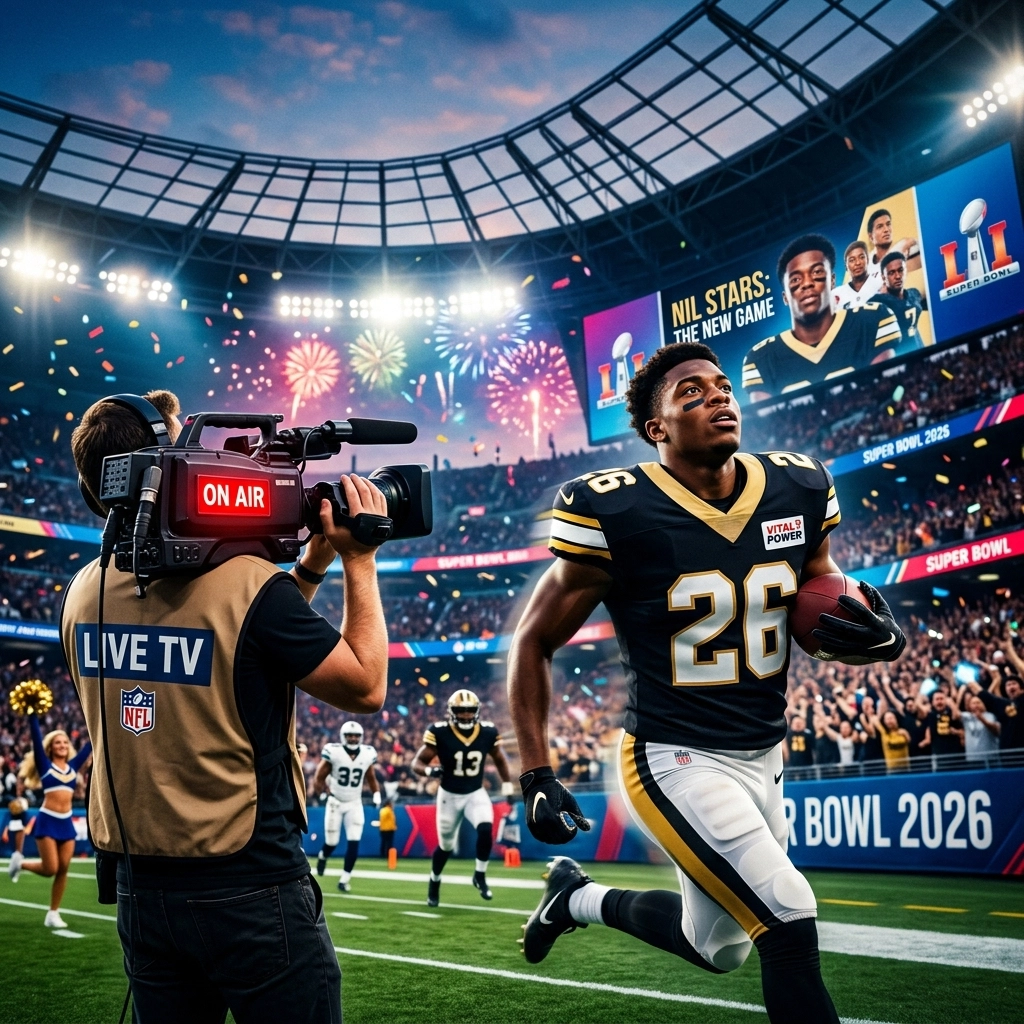
It is Sunday, April 12, 2026, and the dust has finally settled on one of the most transformative Super Bowl seasons we have ever seen. If you were watching the big game a few months ago, you probably noticed something different. Or rather, you noticed that the "watching" part was happening everywhere but the television set.
For decades, the Super Bowl was the undisputed king of linear television. Brands would drop millions of dollars for a 30-second window, hoping that the person getting a snack in the kitchen might catch a glimpse of their logo. But as we sit here in 2026, we have to ask ourselves: does a traditional TV spot really matter anymore?
At Name. Image, likeness., we have seen the shift first-hand. The game has moved from the broadcast booth to the hands of the athletes themselves. It is no longer about one giant megaphone. It is about 20,000 voices speaking directly to their fans. This is the era of the NIL Super Bowl Blitz, and it is changing everything we know about digital marketing.
The Death of the Passive Viewer
Let's look at the numbers. By the summer of 2026, linear TV has officially fallen to just a fraction of global ad spending. Most viewers are now firmly entrenched in the world of connected TV (CTV) and ad-supported streaming. When people watch the Super Bowl today, they aren't just sitting there. They are on their phones, they are in group chats, and they are following their favorite players in real-time.
The mistake many brands still make is treating a streaming ad like a digital version of a 1995 television commercial. They buy a spot and pray. But the modern viewer is 43% more likely to look at an ad if it feels integrated into the content they actually care about. In 2026, that content is the athletes.
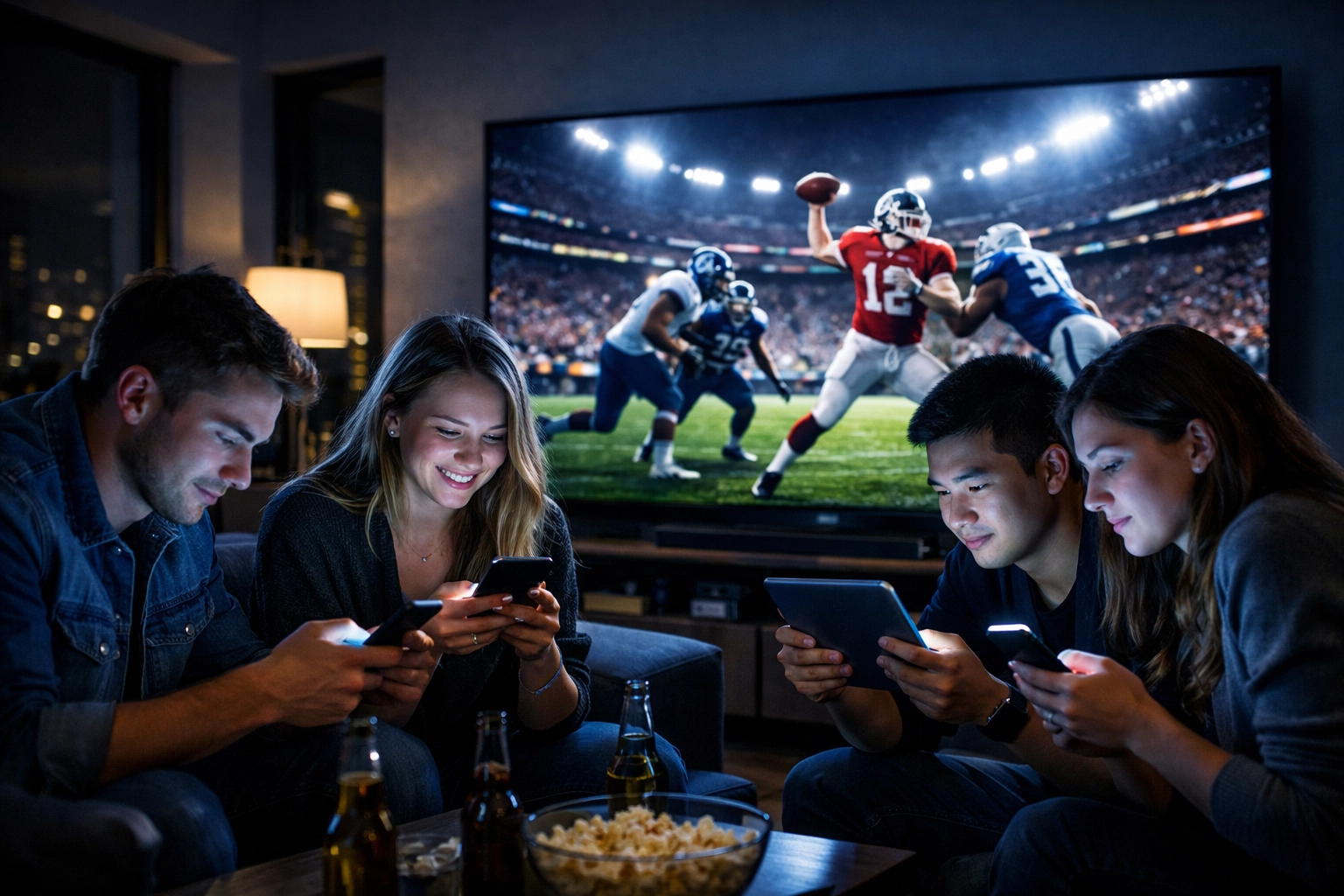
A photo-realistic image of a modern living room where a family is watching a football game on a large screen while three teenagers are simultaneously engaged with their smartphones, showing sports social media feeds.
The Power of 20,000 Voices
This is where NIL (Name, Image, and Likeness) enters the chat. In the old days, a brand would hire one superstar, put them in a multi-million dollar commercial, and hope for the best. Today, we bridge the gap using a different strategy. We leverage the power of 20,000 voices.
Imagine the impact of one celebrity compared to 20,000 college and pro athletes all sharing a brand story at the same time. This decentralized approach creates a "blitz" that a single TV spot cannot match. While the TV commercial is playing to a half-empty room, those 20,000 athletes are hitting the notifications on the phones of millions of fans.
This is the core of our innovation at Name. Image, likeness. We aren't just buying placements. We are creating a movement. By mobilizing a massive network of athletes during the 72-hour window surrounding the Super Bowl, we ensure that a brand is not just seen, but talked about.
Bridging the Gap with Technology
To understand how this works, you have to see it in action. Our NIL marketplace is designed to make this level of scale possible. Managing 20,000 different creators would have been a nightmare five years ago. Today, it is a streamlined process that connects brands with the right athletes at the right time.
Check out how we are integrating these strategies in our latest update:
https://www.youtube.com/watch?v=l6J-0zileKE
As you can see in the video, the focus is on authenticity. Fans in 2026 can smell a fake corporate ad from a mile away. But when a player they follow shares a behind-the-scenes look at their Super Bowl experience, that is content people actually want to watch.
Why the 72-Hour Window is Everything
In the world of the Super Bowl, timing is not just important. It is the only thing that matters. We focus on a daily strategy for 72 hours leading up to and during the game. This "Super Bowl Blitz" ensures that the brand message is reinforced constantly.
- 24 Hours Before: Building the hype. Athletes share their predictions and their "game day essentials."
- Game Day: Real-time engagement. When a big play happens, our network is ready to react, keeping the brand in the middle of the conversation.
- 24 Hours After: The recap. Celebrating the wins and sharing the highlights.
This consistent drumbeat creates a level of brand recall that a one-off TV spot simply cannot achieve. It is about being part of the culture, not just a commercial break.
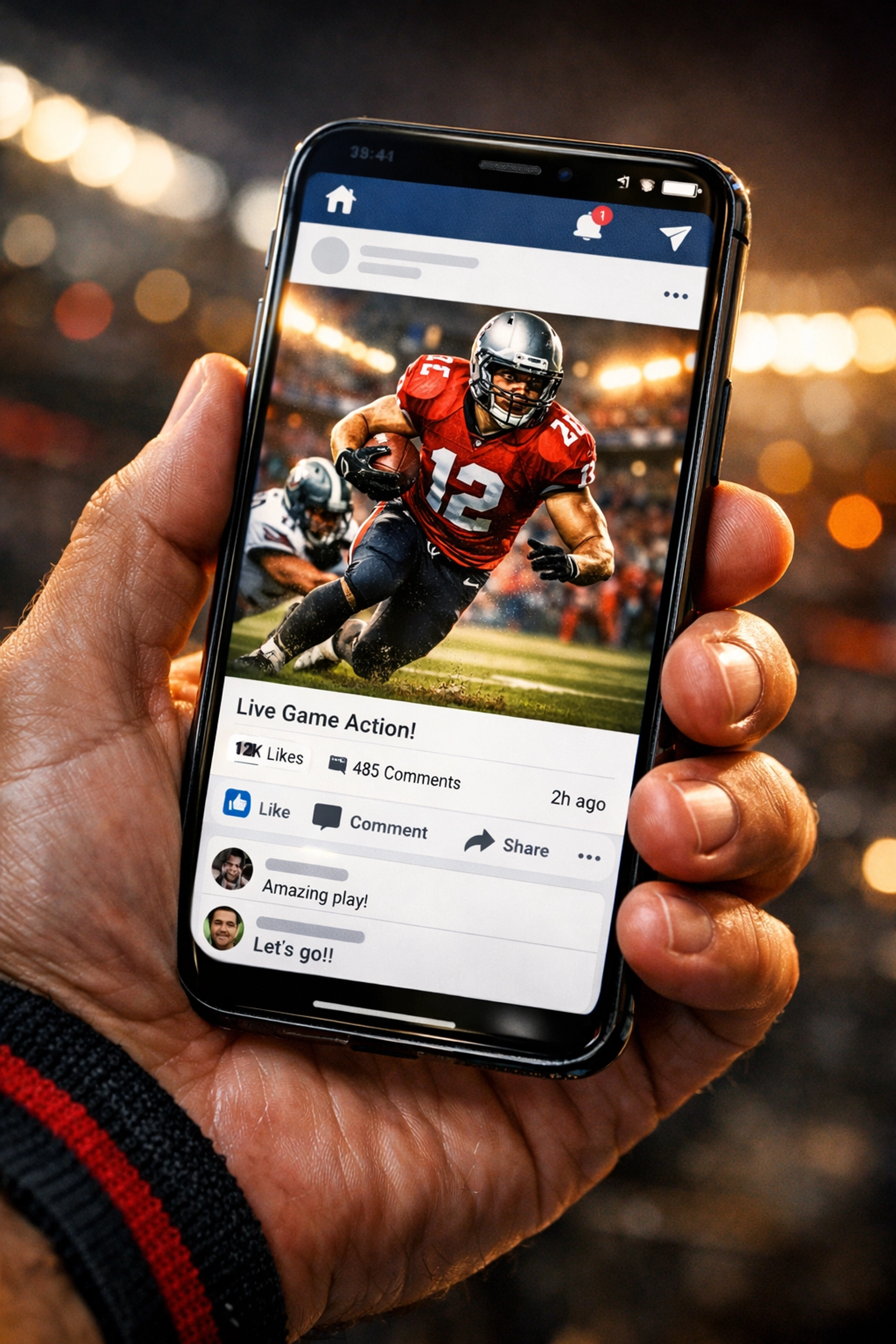
A realistic close-up shot of a smartphone screen displaying a high-quality social media post from a professional athlete endorsing a brand, with thousands of likes and comments visible in the interface.
Is Traditional TV Still Relevant?
We aren't saying TV is dead. Connected TV (CTV) is expected to reach nearly $38 billion this year. But the way we use TV has to change. In 2026, TV advertising is a central component of a converged media strategy. It should point people toward the social conversation.
The most successful brands this year were the ones that used their limited TV time to drive people to their NIL campaigns. They didn't just show a product. They showed a community. They used the "big screen" to validate the "small screen" interactions happening across 20,000 different athlete accounts.
The NIL Marketplace: Your Gateway to the Win
If you are a brand or an athlete looking to navigate this new landscape, you need a platform that understands the nuances of 2026 marketing. The Sports Media Inc. NIL Marketplace is where this all happens. We provide the tools to scale your message without losing that personal touch.
Visit our marketplace to see how you can get involved: mysportsmedia.com/nil
Frequently Asked Questions (AEO)
How does NIL marketing differ from traditional influencer marketing?
NIL marketing specifically leverages the unique bond between athletes and their fans. Unlike general influencers, athletes have a built-in audience tied to local communities and specific sports passions, which leads to higher trust and engagement.
Why is the 72-hour window so critical for Super Bowl ads?
The Super Bowl is a fleeting cultural moment. Engagement peaks during this short window. By saturating the digital space during these 72 hours, brands can capture the maximum amount of "mindshare" while the world is focused on a single event.
Can small brands afford to compete in the NIL space during the Super Bowl?
Absolutely. That is the beauty of the 20,000 voices strategy. You don't need a $7 million TV budget to make an impact. By working with a diverse group of athletes at different levels, smaller brands can create a localized or niche "blitz" that is highly effective.
What is the future of TV advertising in sports?
The future is interactive and measurable. TV will continue to move toward streaming formats where ads can be targeted to specific viewer behaviors and linked directly to social media activity and NIL campaigns.
Making Your Mark in 2026
The world of marketing doesn't wait for anyone. If you are still waiting for the "commercial break" to reach your audience, you are already behind. The Super Bowl is no longer a game of ads. It is a game of voices.
At Name. Image, likeness., we are here to help you find those voices. Whether you are an athlete looking to build your brand or a company looking to bridge the gap to a new generation of fans, the NIL revolution is your path to victory.
Let’s get to work and make some noise.
Contact Information:
Dan Kost, CEO
Email: info@MySportsMedia.com
Website: mysportsmedia.com/nil
Phone: Contact our receptionist for scheduling.
Connect with us and share the movement:
[Facebook] | [Instagram] | [LinkedIn] | [X]
#HighPerformance
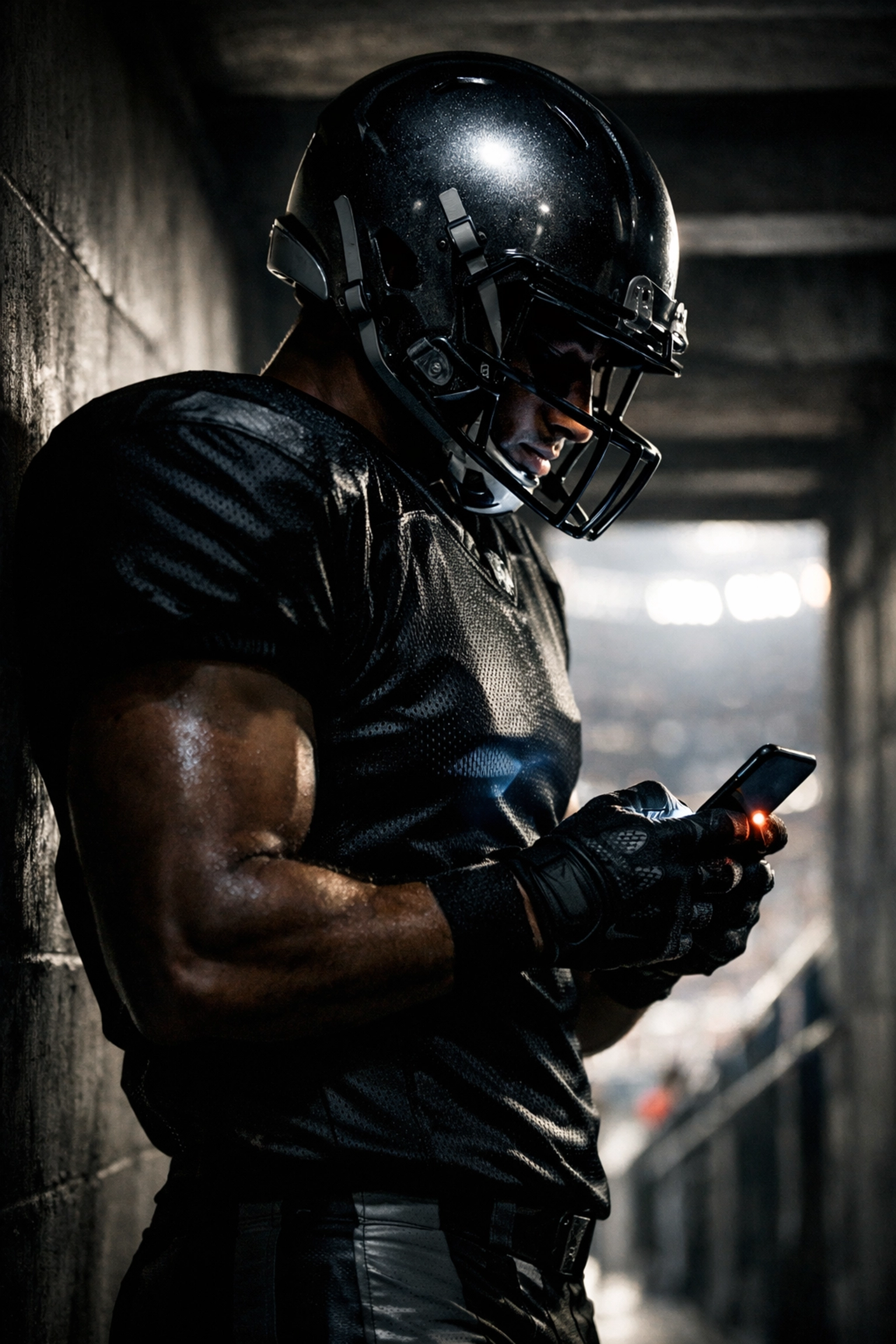
A photo-realistic image of an athlete in a stadium tunnel, looking at their phone and smiling, representing the direct connection between the field and the digital audience.

