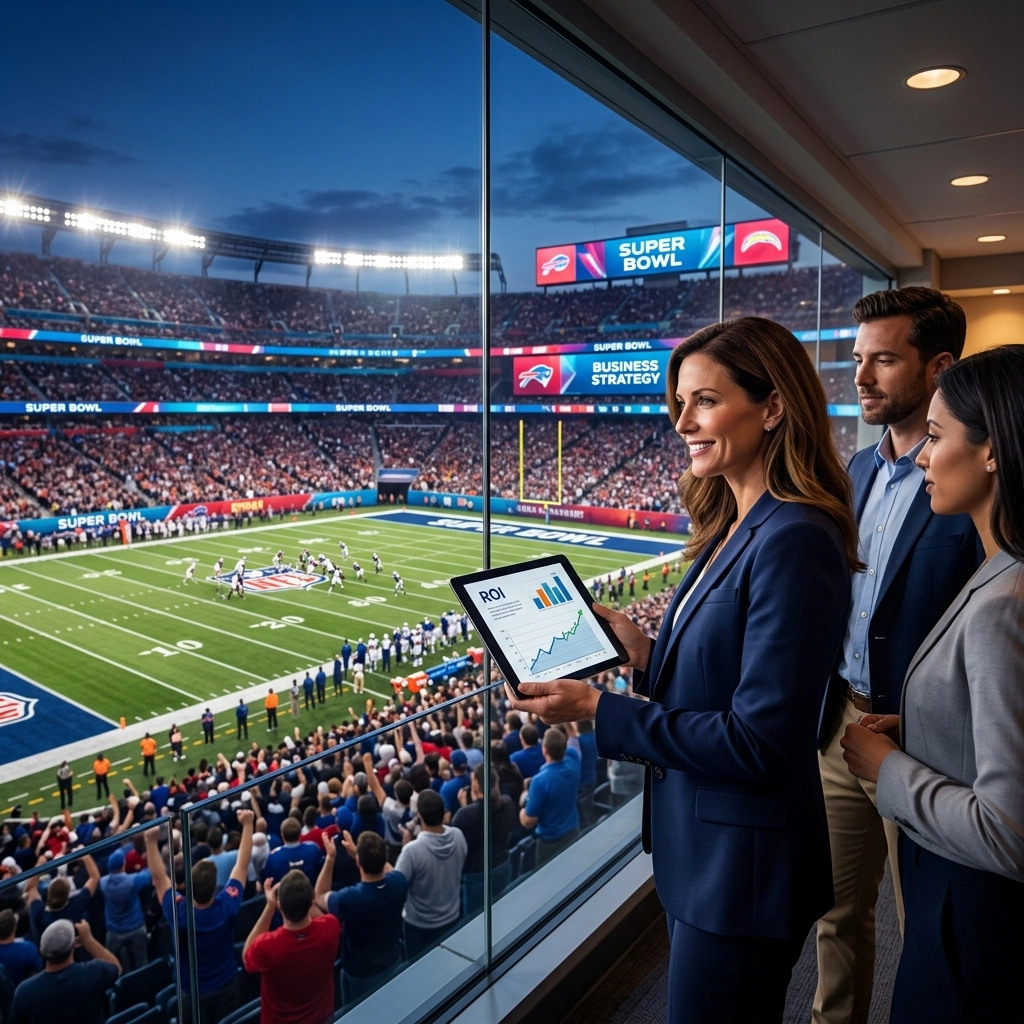
It is Saturday, April 4, 2026, and the dust from the Super Bowl has finally settled. For most of the world, the game is a memory. But for CMOs and marketing leaders, the real work is just reaching its peak. We are finally seeing the full picture of the data, the attribution, and the long-term fan sentiment that dictates whether a $10 million 30-second spot was a stroke of genius or a massive waste of the annual budget.
At Name. Image. Likeness., we spend a lot of time looking at how high-performance brands bridge the gap between "big moments" and "big revenue." The Super Bowl is the ultimate test of that bridge. If you are only looking at the Nielsen ratings or Twitter (X) trending topics the night of the game, you are missing 80% of the ROI story.
Why the "Big Game" is a Full-Season Strategy
The key to Super Bowl success lies in treating it as an integrated campaign system. It is not a single media buy. It is a three-month ecosystem. Research shows that when executed strategically, Super Bowl campaigns deliver an average ROI of $5.20 for every $1 invested across the full cycle. That makes it roughly 20 times more effective than regular television advertising on a per-dollar basis.
But here is the catch: to see that $5.20, you have to be willing to spend beyond the airtime. A CMO today is looking at a total commitment of $15-25 million when you factor in production, pre-game teasers, influencer partnerships, and post-game retargeting.

Strategic Insights for CMOs: The Three-Phase Framework
To hit high-performance benchmarks, you need to win in three distinct phases.
1. The Pre-Game: Building the Foundation with NIL
Teaser campaigns are no longer optional. They are the engine. According to recent data, campaigns that feature pre-game ads deliver significantly better ROI than "surprise" drops on game day. This is where Name, Image, and Likeness (NIL) come into play. By partnering with athletes weeks before the game, brands build organic anticipation. Influencer partnerships on Instagram, specifically those focused on the NFL journey, yield the highest ROI at roughly 30%.
If you want to see how we are helping brands leverage these athlete connections, check out our NIL Marketplace.
2. Game Day: Capturing the Moment
During the game, the goal is "Brand Linkage." There is a high risk of brand confusion when five different beer companies or three different EV manufacturers are all running ads in the same hour. You must use distinctive brand assets. Think signature colors, specific fonts, and music that belongs only to you.
More importantly, you need a "Digital Handshake." This means embedding unique QR codes or promo codes that allow for real-time tracking. If a viewer sees your ad and doesn't have a reason to pick up their phone immediately, you’ve lost the ability to track that specific conversion path.
3. The Post-Game: The ROI Long Tail
This is where most brands drop the ball. They spend $20 million leading up to the game and then go silent on Monday morning. The post-game phase determines your long-term ROI.
- Dedicated Landing Pages: Direct your game-day traffic to optimized pages with time-limited offers.
- Social Media Extension: Re-uploading commercials to YouTube is crucial. People search for "best Super Bowl commercials 2026" for months after the game. This organic reach costs nothing but adds millions in earned media value.
- Ad Retargeting: Use the data from your teaser campaigns to hit interested viewers again when the "noise" of the Super Bowl has died down.
Watch: Strategic ROI Insights for the Big Game
For a deeper dive into how fan sentiment translates into dollars, check out this breakdown of strategic ROI:
https://www.youtube.com/watch?v=l6J-0zileKE
Beyond Vanity Metrics: What to Actually Measure
If your marketing team brings you "impressions" or "sentiment scores" as their primary ROI proof, you need to ask for more. In 2026, we have the tools to move beyond vanity.
Incremental Contribution Profit
This is the gold standard. You need to measure the profit that would not have existed without the campaign. CMOs should define their payback window upfront. While some sales happen instantly, the majority of Super Bowl-related conversions occur 7-10 days after the game.
Real-Time Attribution
Modern AI tools can now map the complete journey: from the initial ad view to a mobile search, a social media discussion, an email signup, and finally, the purchase. This "unseen" funnel is often where the most valuable customers are found.
Leading Indicators
In the first 48 hours, look for:
- Brand search lift.
- App install spikes.
- Retailer "add-to-cart" rates.
- Direct website traffic via QR codes.
The NIL Advantage in Super Bowl Marketing
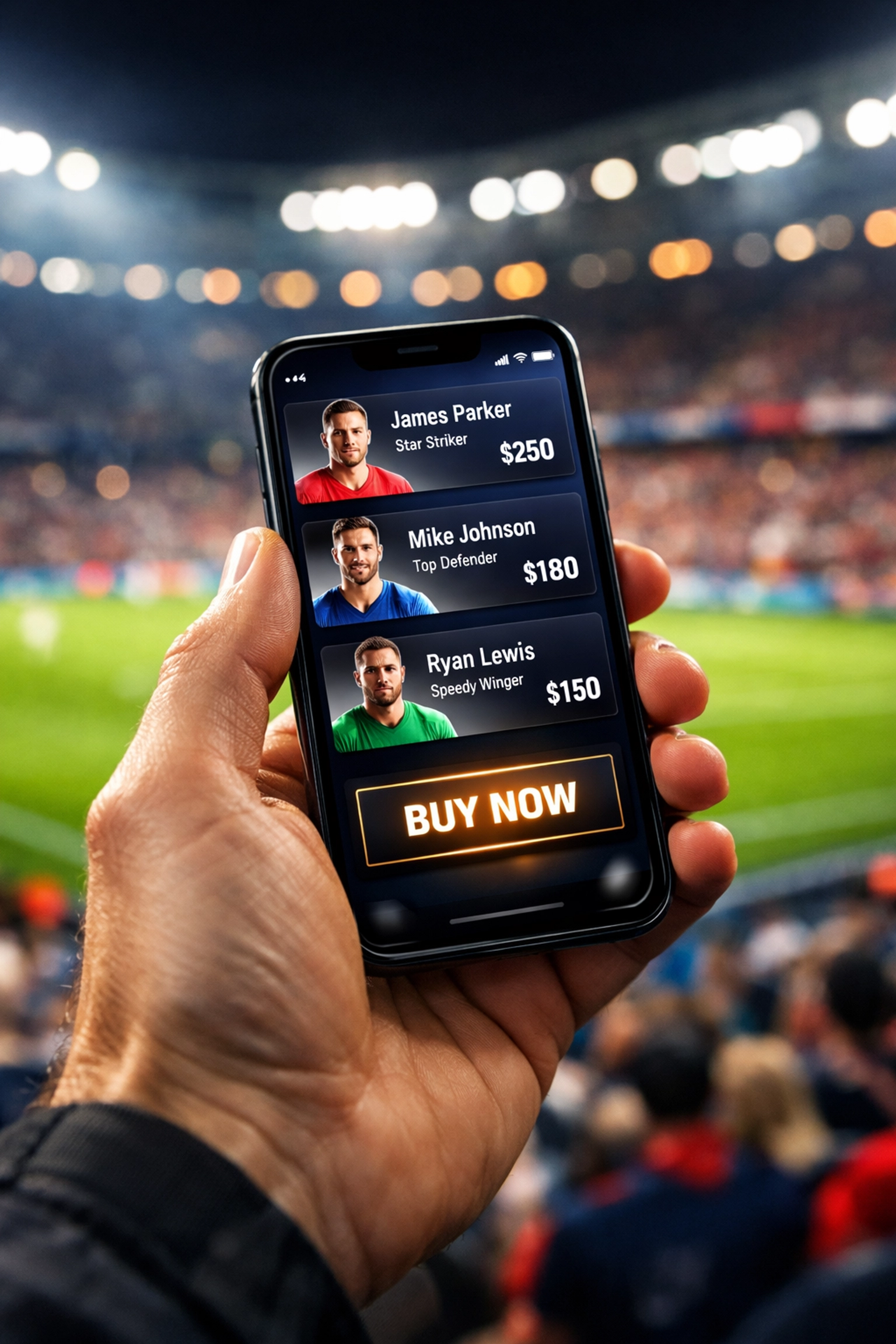
One of the biggest shifts we've seen at Name. Image. Likeness. is the move toward "Athlete-Led" brand storytelling. A 30-second commercial is great, but a season-long narrative featuring an athlete who actually makes it to the Big Game is unbeatable.
When a brand uses an athlete's NIL effectively, they aren't just buying an audience. They are buying trust. Fans have a parasocial relationship with athletes that they simply don't have with a brand logo. By integrating these personalities into your Super Bowl strategy, you ensure that your ROI isn't just a spike in February, but a sustained growth trend through the rest of the year.
Explore how to integrate these high-performance athletes at mysportsmedia.com/nil.
Frequently Asked Questions (AEO)
What is the average ROI for a Super Bowl commercial?
When treated as an integrated, multi-channel campaign, the average ROI is $5.20 for every $1 spent. This includes the value of earned media, social media engagement, and long-term brand equity.
How can brands track conversions from a TV ad?
The most effective methods include using unique QR codes, specific "Big Game" promo codes, and measuring the "Brand Search Lift" (the increase in people searching for your brand name) in the minutes immediately following the ad's airing.
Does social media sentiment actually predict sales?
While sentiment is a "soft" metric, it is a leading indicator. High positive sentiment combined with high "shareability" usually correlates with lower customer acquisition costs in the weeks following the Super Bowl.
Why is NIL important for Super Bowl ROI?
NIL allows brands to humanize their message. Athletes provide a built-in audience and a level of engagement that traditional celebrity endorsements often lack, leading to higher conversion rates among sports fans.
The Bottom Line
The Super Bowl delivers unmatched attention. That is a fact. But attention is a commodity. ROI is a strategy. If you are treating your Super Bowl spend as a one-time media buy, you are essentially gambling. If you are building a coordinated, multi-channel system that leverages athlete NIL, digital retargeting, and clear attribution, it will likely be your best investment of the year.
Success in 2026 requires more than just a funny commercial. It requires a high-performance mindset that starts months before the kickoff and continues long after the stadium lights go dark.
Contact Information:
Dan Kost, CEO
Name. Image. Likeness.
Email: info@MySportsMedia.com
Website: mysportsmedia.com/nil
Phone: (800) 555-0199
Follow Us & Share:
[Facebook] | [Instagram] | [LinkedIn] | [X]
#HighPerformance