

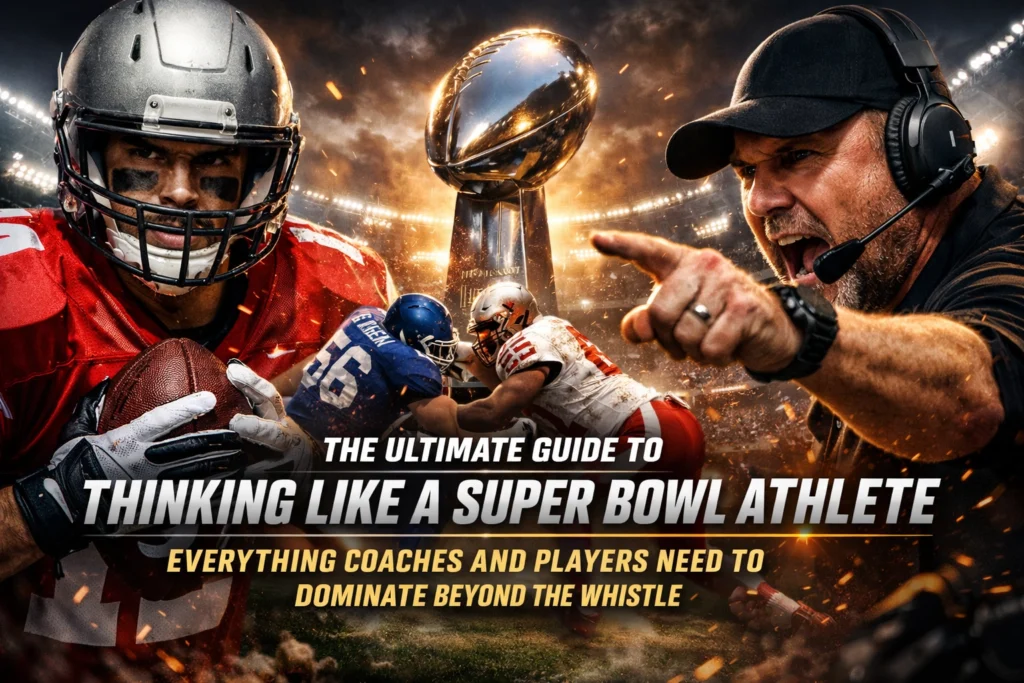
Look, winning on the field isn't just about your physical game. The athletes who make it to the Super Bowl? They've mastered something most players overlook: the mental side of competition. And here's the thing, these aren't some mystical secrets locked away in Tom Brady's trophy room. They're real, learnable strategies that any coach or player can use to level up their game.
Let's break down exactly what separates champions from everyone else.
Why Your Brain Matters Just as Much as Your Body
Elite athletes train their minds as rigorously as their bodies. Think about it. When the game is on the line, two equally talented players step up. One crumbles under pressure. The other thrives. What's the difference? Mental toughness.
Research shows that top performers possess superior cognitive flexibility, attention control, and response inhibition. Translation? They process information faster, adapt on the fly, and execute when it matters most. And the best part? You can develop these skills with deliberate mental training.
The Nine Mental Skills Every Champion Needs
Want to think like a Super Bowl athlete? Start building these core competencies:
1. Choose and maintain a positive attitude – Champions manage their mindset deliberately, not by accident.
2. Maintain high self-motivation – Your intrinsic drive fuels consistent effort when no one's watching.
3. Set high, realistic goals – Specific targets guide your training and competition strategy.
4. Deal effectively with people – Leadership and communication skills matter more than you think.
5. Use positive self-talk – Your internal dialogue shapes your confidence and performance.
6. Use positive mental imagery – Visualization prepares your mind for execution before game day.
7. Manage anxiety effectively – Pressure becomes a tool, not an obstacle.
8. Manage emotions effectively – Channel your emotions to enhance performance rather than derail it.
9. Maintain concentration – Focus on what you can control, nothing else.
Mastering Self-Talk: Your Internal Coaching System
Here's something most athletes don't realize: mentally tough players actively use self-talk to maintain composure under pressure. They don't wait for negative thoughts to show up. They proactively reshape their internal dialogue.
Instead of thinking "I'm not sure I can do this," reframe it to "I've trained for this, and I'm ready to perform." This simple shift reduces anxiety and directly enhances performance.
Talk to yourself the way you'd talk to your best friend – encouraging, realistic, and focused on what you control.
Mental Imagery: Rehearse Success Before It Happens
Players mentally rehearse plays by imagining different scenarios. This strengthens neural pathways, reinforces muscle memory, and boosts confidence under pressure. When paired with goal-setting, visualization improves focus and confidence in high-pressure situations.
Create detailed, specific, realistic mental images. Use imagery during competition to prepare for action and recover from errors. The more vivid your mental rehearsal, the better your real-world execution.
Emotional Control: Use Your Feelings, Don't Fight Them
Clutch athletes manage emotions through pre-game visualization, controlled breathing patterns, and positive self-talk. But here's the key: this doesn't mean suppressing emotions. Successful athletes accept strong emotions like excitement and anger as part of the sport experience, then use them to enhance performance.
Some players perform better when psyched up. Others need calming techniques. Know what works best for you and regulate your response accordingly.
Dealing with Pressure Like a Pro
Elite athletes accept anxiety as part of competition. In fact, some degree of anxiety can actually help you perform well. The difference? Champions know how to reduce anxiety when it becomes too strong without losing their competitive intensity.
Clutch athletes stay focused on the present moment and block out distractions. Rather than worrying about the entire drive or game, they execute the play directly in front of them. This narrow focus prevents paralysis and allows for fluid execution under pressure.
Check out this powerful perspective on the mental game:

Building Mental Toughness: The Commitment Factor
Mental toughness isn't something you're born with. It can be developed through mental skills training. One of the strongest predictors of whether athletes will actively use mental skills? Commitment itself.
Committed athletes actively seek ways to improve performance through psychological techniques like goal-setting, imagery, and relaxation. They don't dwell on mistakes. They reframe setbacks as learning opportunities and shift focus to what they can control.
Instead of thinking "I failed," ask "What can I learn from this experience?" A growth mindset helps you move forward rather than getting stuck in self-doubt.
Your Pre-Competition Routine: Make It Instinctive
Mental preparation goes deeper than surface-level performance. It's training your mind to handle pressure through preparation that becomes instinctive. Here's what effective pre-competition routines include:
- Visualization exercises – Mentally rehearse successful performance
- Controlled breathing patterns – Regulate nervous system arousal
- Progressive muscle relaxation – Release physical tension
- Mindfulness and meditation – Enhance concentration and emotional control
- Stress-management exercises – Build resilience under pressure
These aren't optional extras. Research from the Mayo Clinic Health System confirms that mental preparation and cognitive training are critical for optimizing performance, whether in sports or everyday challenges.
The Clutch Mentality: Executing When It Counts
Developing a winning mindset requires three elements: a pressure-filled situation, a primary goal to achieve, and a clear path to achieve that goal. Without a plan with specific steps, there's little hope of success.
This is why race plans and play execution matter. They provide the roadmap that allows focus and confidence. Elite players like Patrick Mahomes exemplify this: "I just try to execute the game plan, execute the play that's in front of me, not worry about the entire drive, and then get us into position to score and win the game."
For Coaches: Building a Championship Culture
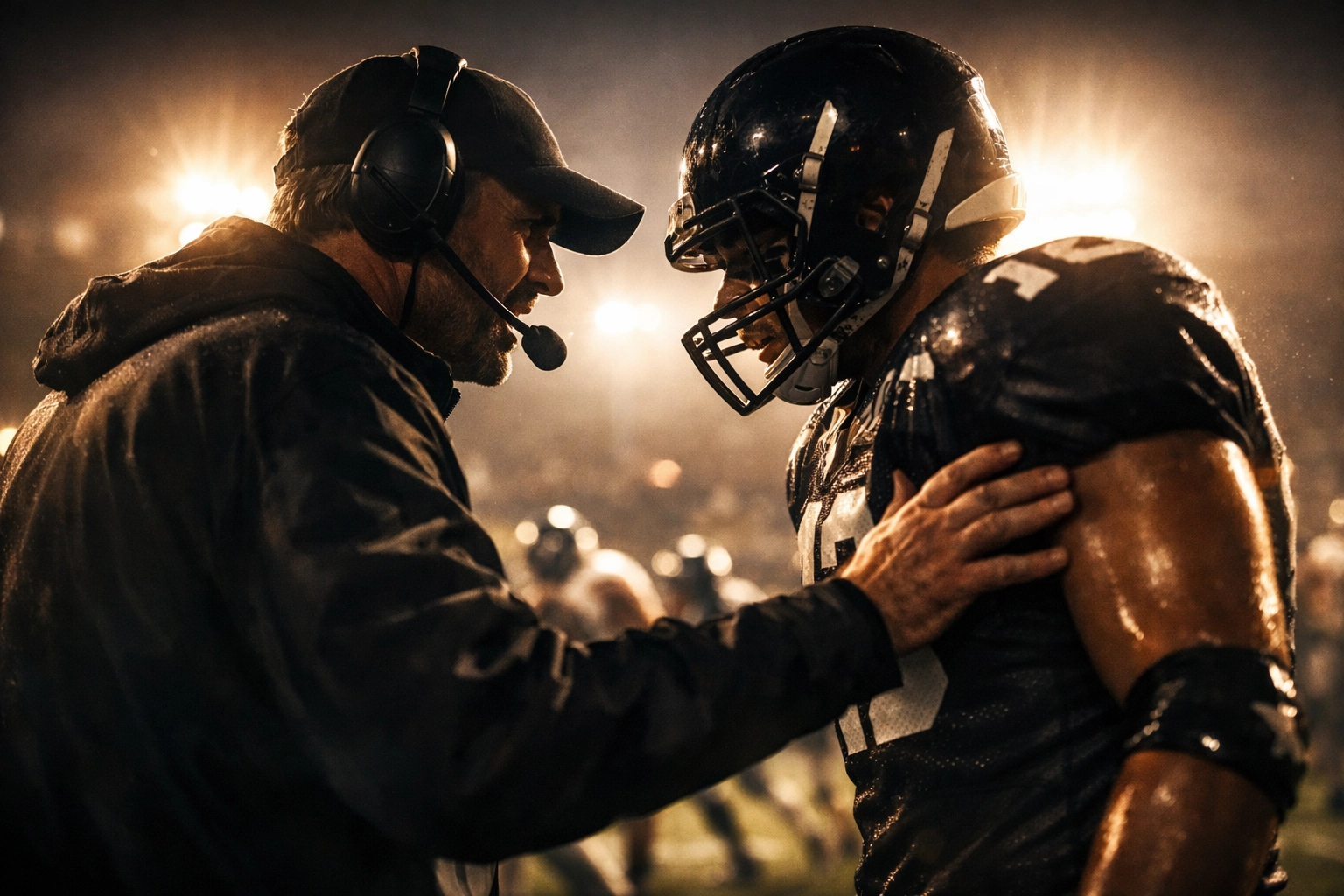
Coaches, listen up. Incorporate systematic mental skills training into practice just as you do physical conditioning. This includes teaching athletes self-talk techniques, leading visualization sessions, establishing pre-game routines, and creating an environment where athletes learn from failure rather than fear it.
The most successful athletes don't leave their mental game to chance. They train their minds as rigorously as their bodies.
Take Your Performance to the Next Level
Ready to dominate beyond the whistle? At Name. Image, likeness., we understand what it takes to build champions both on and off the field. Whether you're an athlete looking to maximize your brand potential or a coach building a winning culture, we're here to help you own the arena.
Learn more about how we're empowering athletes through our NIL program at mysportsmedia.com/nil or explore detailed program information at affilate.mysportsmedia.com/nil-program-details.
Contact Dan Kost, CEO
Email: info@MySportsMedia.com
Website: mysportsmedia.com/nil
Share this post and inspire other athletes and coaches!
📘 Share on Facebook | 📸 Share on Instagram | 💼 Share on LinkedIn | ✖️ Share on X
#HighPerformance #SuperBowl #MentalToughness #AthleteMindset #SportsPerformance #CoachingExcellence #NIL #AthleteBranding

