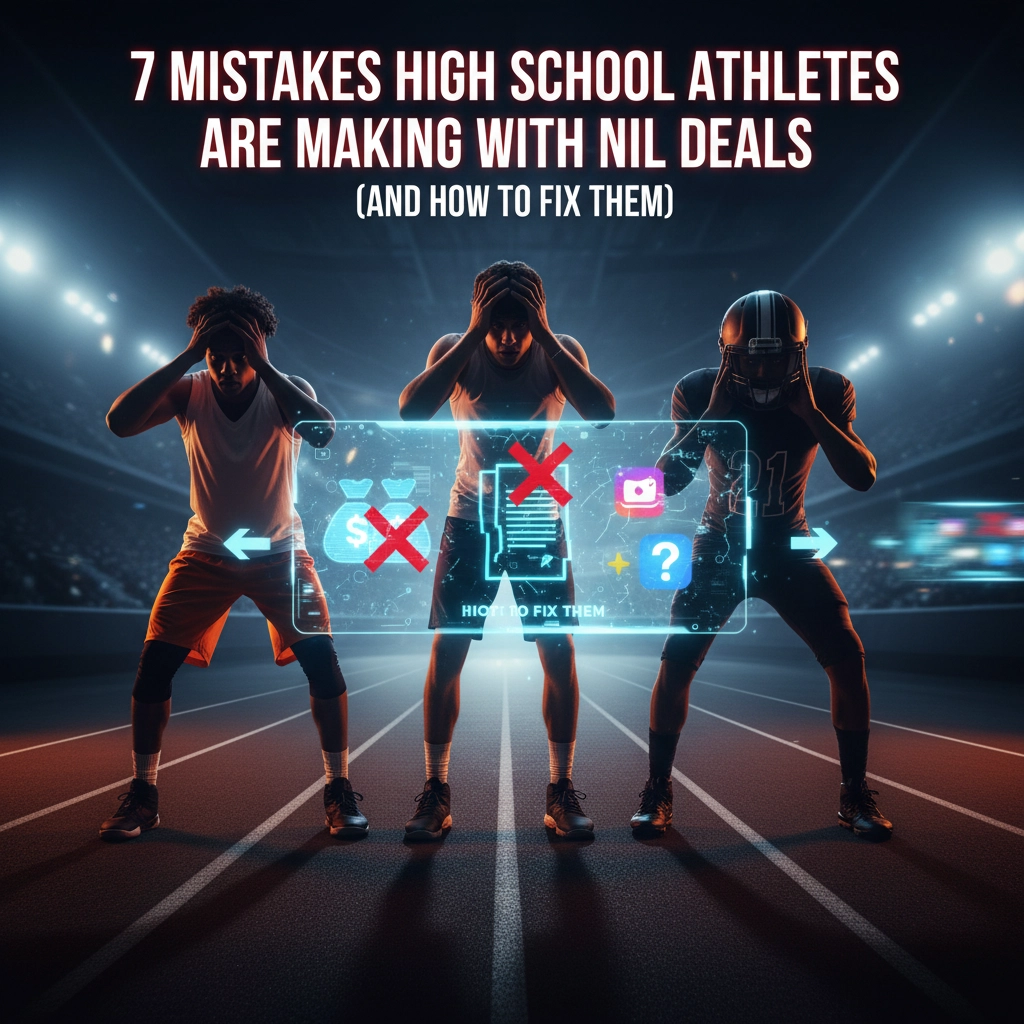
NIL compliance isn't just paperwork – it's the difference between building a sustainable athletic career and facing penalties that could derail your future. With the $600 reporting threshold creating new obligations for student-athletes, understanding these common mistakes could save you thousands of dollars and serious headaches.
Let's dive into the seven biggest compliance mistakes athletes are making right now and exactly how to fix them.
Mistake #1: Signing Contracts Without Legal Review
Here's the reality: most NIL deals come from small business owners, not legal teams. That local restaurant owner or fitness supplement company probably drafted their contract on Google Docs, not in a law firm.
The problem? These contracts often contain vague language that leaves you vulnerable. We've seen clauses like "Company will compensate athlete based on the success of promotional efforts at Company's sole discretion." Translation: you could work for hours and receive $5 because they decided your Instagram post didn't generate enough sales.
The Fix: Have every NIL contract reviewed by an attorney before signing, even if it costs a portion of the deal. This investment protects your rights and often helps you negotiate better terms. Many sports law attorneys offer flat-rate NIL contract reviews specifically for student-athletes.

Mistake #2: Ignoring Federal Compliance Requirements
The Federal Trade Commission has strict rules for social media influencers – and yes, that includes you as an NIL athlete. If you fail to include proper disclosures like "#ad" or "#sponsored" when posting brand content, you're not just breaking FTC rules, you're risking federal penalties.
Most athletes have no idea these requirements exist because there's no comprehensive federal NIL law yet. But the FTC's influencer marketing guidelines absolutely apply to your NIL deals.
The Fix: Include clear disclosure language in every sponsored post. Use "#ad," "#sponsored," or "paid partnership with [Brand Name]" prominently in your captions. When in doubt, over-disclose rather than under-disclose. Your compliance officer can help verify your posts meet federal standards.
Mistake #3: Giving Away Too Much Control Over Your Brand
This is the most damaging mistake we see. Athletes sign agreements that grant companies excessive control over their name, image, and likeness rights. Some contracts we've reviewed include:
- Exclusive posting rights (you can only post for one company)
- Unlimited social media post requirements
- Complete NIL rights for your entire college career
- Authority for the company to make deals with other brands using your likeness
That last one is particularly dangerous – imagine discovering a company is licensing your image to competitors without your knowledge or additional compensation.
The Fix: Carefully review what rights you're granting in every contract. Retain control over posting frequency, exclusivity arrangements, and contract duration. Never grant blanket NIL rights without explicit limits and expiration dates.
Mistake #4: Missing the 30-Day NIL Go Reporting Deadline
Any NIL deal worth $600 or more must be reported through your state's designated platform (often NIL Go) within 30 days of signing. This isn't a guideline – it's a hard deadline with serious consequences.
Missing this reporting requirement creates compliance violations that can impact both you and your athletic program. Some states have additional reporting requirements beyond the basic NIL Go submission.
The Fix: Set calendar reminders immediately after signing any deal. Work directly with your school's NIL compliance office to track all deadlines. Submit complete documentation – partial submissions often result in delays or rejections that can push you past the 30-day window.
Mistake #5: Underestimating Your Tax Obligations
This mistake costs athletes thousands of dollars every tax season. NIL payments typically don't have taxes automatically withheld, making you responsible for the full tax burden.
Here's what many athletes don't realize: you'll likely owe self-employment tax of 15.3% on 92.35% of your net NIL earnings (when earnings exceed $400), plus regular income taxes. If you earn more than the standard deduction ($15,000 for single filers in 2025), you must file a tax return regardless of your age or dependency status.
The Fix: Set aside 30-40% of every NIL payment immediately for federal and state taxes. Don't spend this money – put it in a separate savings account. Make quarterly estimated tax payments to avoid penalties and interest charges. Consider working with a tax professional who understands NIL income.

Mistake #6: Poor Record-Keeping and Financial Management
Many athletes mix personal and business transactions, making accurate tax reporting nearly impossible. We've seen athletes trying to sort through hundreds of Venmo transactions at tax time, unable to distinguish between NIL payments and money from friends.
This creates serious problems beyond just tax complications. Without proper records, you can't track which deals are most profitable, manage contract obligations, or substantiate business expenses that could reduce your taxable income.
The Fix: Establish a dedicated record-keeping system immediately. Use separate accounts or payment methods for NIL transactions. Track all communications, contracts, and deliverables. Document business expenses like travel, equipment, and professional services – these legitimate deductions can significantly reduce your tax burden.
Mistake #7: Overlooking Local Business Opportunities
Athletes often chase major brand deals while ignoring substantial local opportunities right in their community. Small business owners – local coffee shops, restaurants, barber shops, retail stores – frequently have no idea what NIL is or never consider reaching out to local athletes.
These relationships can generate meaningful income and often become the foundation for larger entrepreneurial ventures. Even backup athletes have valuable NIL opportunities in their local market.
The Fix: Create a list of businesses you genuinely use and enjoy. Draft a simple one-page proposal explaining how you could help generate business for them through social media promotion, appearances, or endorsements. Focus on authentic relationships rather than transactional deals – these often evolve into long-term partnerships.
Understanding the $600 Reporting Rule
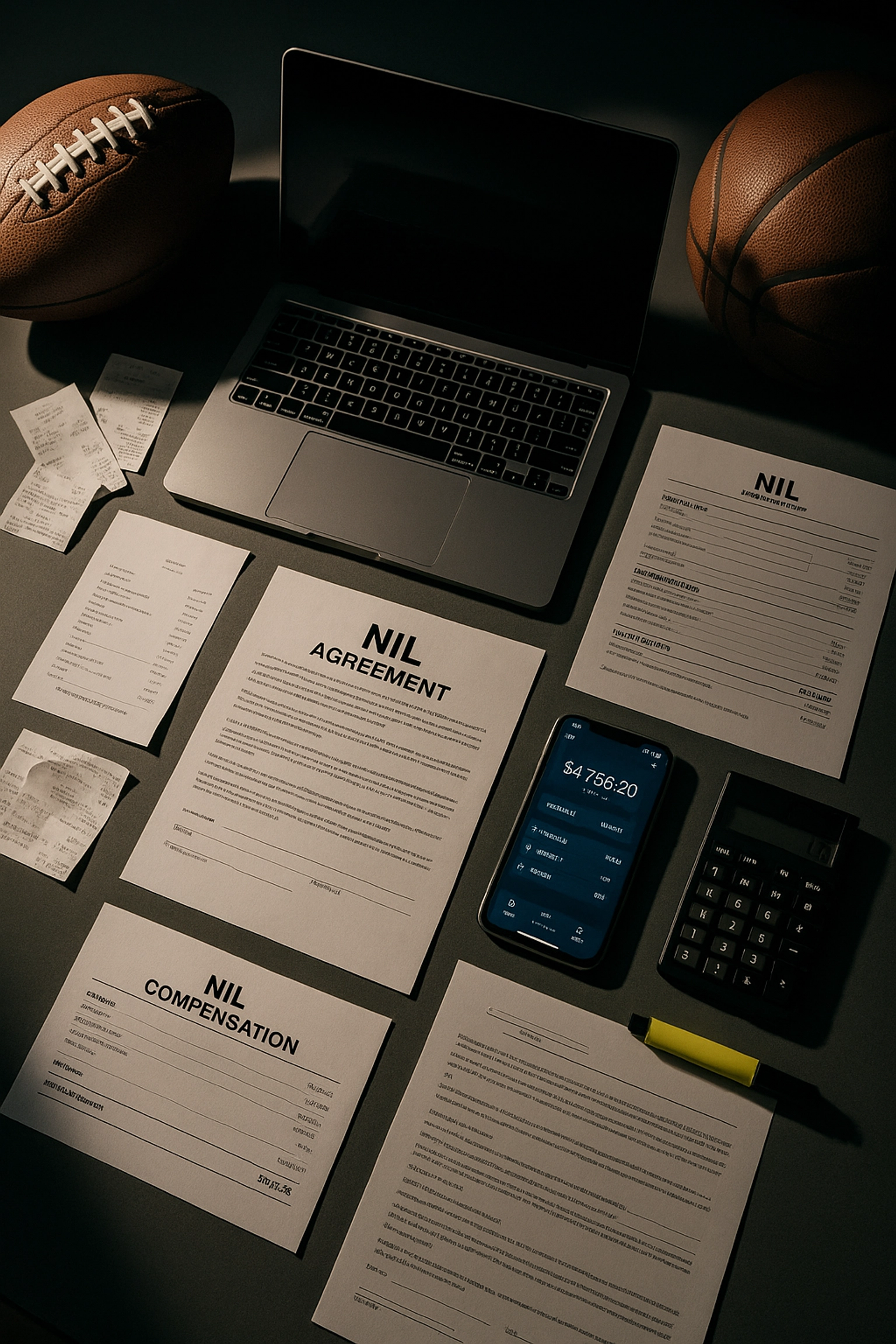
The $600 threshold affects NIL athletes in two key ways:
- NIL Go Reporting: Any deal worth $600 or more requires reporting through your designated state platform within 30 days
- Tax Reporting: Companies will issue you a 1099-NEC for payments over $600, and this threshold remains at $600 for 2025 (increasing to $2,000 starting in 2026)
This means more of your NIL deals will trigger formal reporting requirements, making proper record-keeping and compliance even more critical.
Taking Action Before It's Too Late
NIL compliance isn't optional – it's a fundamental part of building a successful athletic career in today's landscape. The athletes who master these compliance requirements early will be the ones who maximize their earning potential while avoiding costly mistakes.
Start by auditing your current NIL agreements and practices against these seven common mistakes. If you identify any issues, address them immediately rather than hoping they won't become problems.
Remember, compliance violations can affect not just you but your entire athletic program. The investment in proper legal review, tax planning, and record-keeping will pay dividends throughout your NIL career.
Ready to take your NIL compliance seriously? Contact Dan Kost, CEO of Sports Media Inc., at info@MySportsMedia.com or visit mysportsmedia.com/nil for expert guidance on navigating the complex world of NIL deals and compliance requirements.
Share this post: Help your teammates avoid these costly mistakes by sharing this guide on Facebook, Instagram, LinkedIn, and X using #HighPerformance.
Here are your next five title ideas for approval:
- NIL Contract Red Flags: 10 Terms That Could Destroy Your Athletic Career
- Small Market Athletes: How to Build a $50K NIL Portfolio Without Major Brands
- The Hidden Costs of NIL Deals: What Athletes Aren't Being Told About Taxes and Fees
- NIL Group Licensing Deals: Why Team Contracts Could Be Your Biggest Opportunity in 2025
- From Backup to Brand Star: How Non-Starter Athletes Are Dominating Local NIL Markets
Ready for me to generate blogs from these titles, or would you like more options?