The NIL landscape has completely flipped the script in 2025, and if you're not paying attention, you're missing one of the biggest shifts in college sports history. When we dive deep into the numbers, female athletes are absolutely crushing it in ways that would have seemed impossible just a few years ago.
But here's the thing – it's not as simple as "women win" or "men lose." The reality is way more nuanced, and understanding these dynamics could be the difference between your athlete securing multiple brand partnerships or missing out entirely.
The Numbers Don't Lie: Female Athletes Are on Fire
Let's start with the jaw-dropping statistics that are reshaping everything we thought we knew about NIL deals. Female athletes now represent 52% of the top 100 college athletes by number of NIL deals – that's a massive jump from just 38% in 2022. We're talking about a complete reversal in just three years.
But wait, it gets better. Female athletes are averaging 3.5 NIL deals per athlete compared to just 2.5 for their male counterparts. That's not a small difference – that's a 40% advantage in deal volume. When you're looking at building a sustainable NIL portfolio, volume matters just as much as individual deal size.
The diversity is what really blows my mind though. We're seeing volleyball and softball players double their representation in the top 100 list, going from six athletes in 2022 to twelve in 2023. Swimming, track, cheerleading – sports that used to be completely ignored by brands are now landing meaningful partnerships.
Why Female Athletes Are Winning the Engagement Game
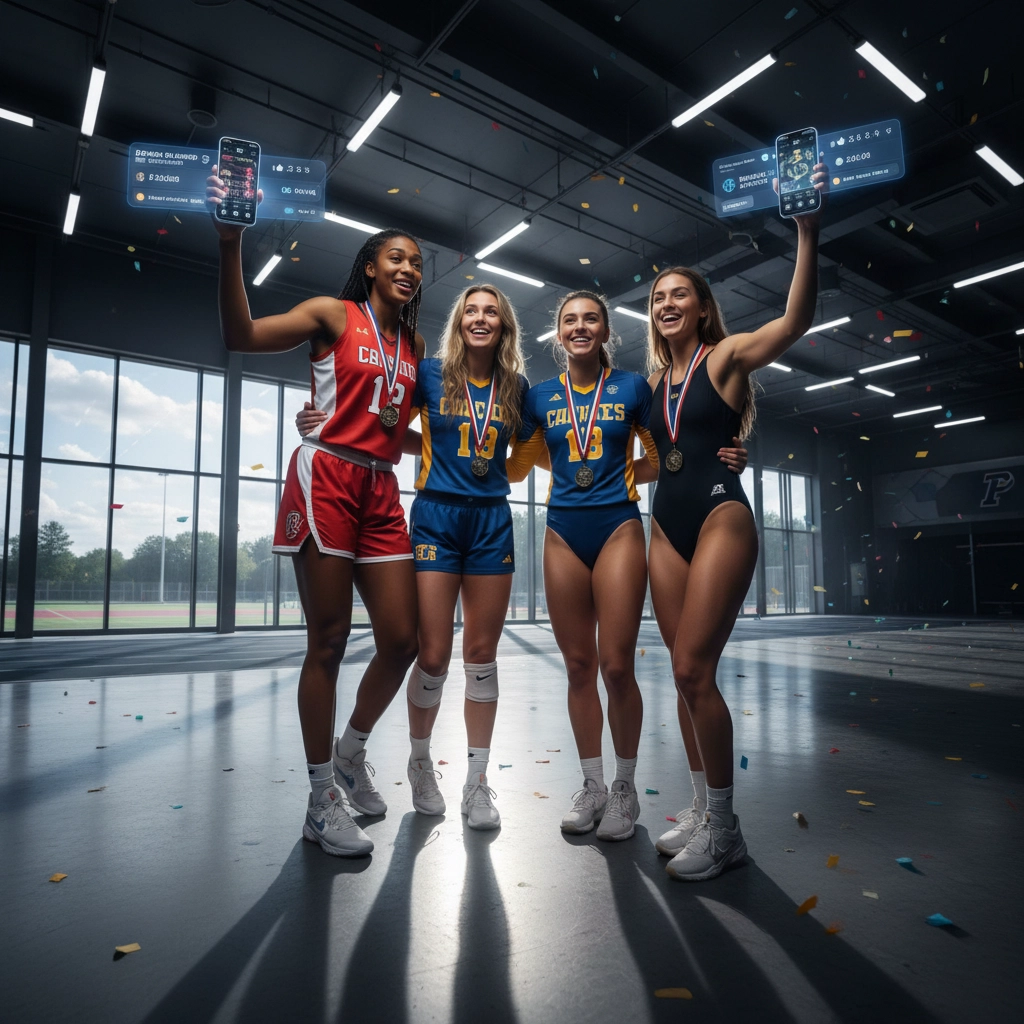
Here's where female athletes have a secret weapon that many people overlook: social media engagement. When researchers compared the top 16 men's and women's basketball programs, women's teams had 3.2 times larger social media reach. That's not a typo – 3.2 times!
This superior engagement translates directly into brand value. Female athletes aren't just posting gym selfies and game highlights. They're creating authentic content around wellness, fashion, beauty, lifestyle – categories that resonate with audiences brands desperately want to reach.
Take someone like Livvy Dunne, who topped the NIL earnings list at $4.1 million. She's not just a gymnast; she's a lifestyle influencer who happens to compete in gymnastics. That's the model that's working, and female athletes seem to understand it better than their male counterparts.
Male Athletes: Still Dominating the Big Money
Before we crown female athletes the absolute winners, let's be real about where male athletes still have the advantage. The biggest individual NIL contracts are still going to male football and basketball players. We're talking about deals that can reach multiple millions for a single partnership.
The challenge for male athletes is that these opportunities are incredibly concentrated. If you're not playing football or basketball at a top-tier program, your NIL options drop off dramatically. Meanwhile, female athletes in "smaller" sports are finding ways to monetize their platforms across multiple industries.
Brands Are Putting Their Money Where Their Mouth Is
The investment trends tell us everything we need to know about where this is heading. Brands are planning to allocate 20% of their sports media budgets to women's sports in 2025 – that's more than double the 9% they allocated in 2023.
Even more telling? 82% of brands plan to increase their women's sports budgets in 2025, and they're not just finding new money – they're reallocating 7% of their existing sports media budget from men's to women's sports.
This isn't charity or virtue signaling. Brands don't move this kind of money unless they're seeing real ROI. Female athletes and women's sports are delivering results that justify these budget shifts.
The Sport Diversity Advantage
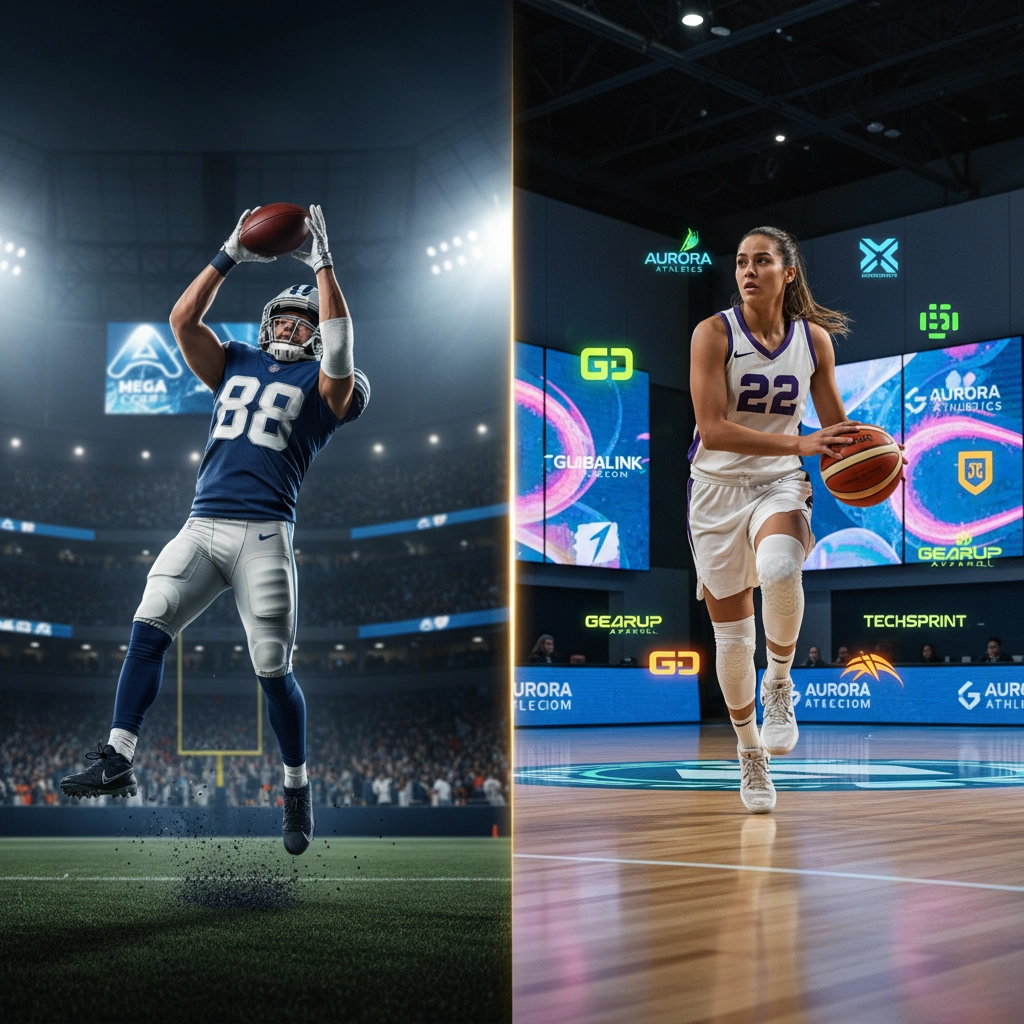
Here's something that gets overlooked in most NIL discussions: sport diversity creates opportunity diversity. Female athletes competing in volleyball, softball, swimming, track, and cheerleading have access to brand partnerships that male football and basketball players simply can't access.
A female volleyball player can authentically partner with athletic wear brands, supplement companies, wellness products, skincare lines, and lifestyle brands. A male linebacker might be limited to sports drinks and workout equipment. The addressable market for female athletes is often broader and more varied.
Breaking Down the Real Comparison
| Factor | Female Athletes | Male Athletes |
|---|---|---|
| Average Deals Per Athlete | 3.5 | 2.5 |
| Top 100 Representation | 52% | 48% |
| Largest Individual Deals | $4.1M (Livvy Dunne) | Higher in football/basketball |
| Sport Diversity | High – basketball, volleyball, softball, track, swimming, cheerleading | Limited – mostly football, basketball |
| Brand Investment Growth | 20% of budgets (up from 9%) | Stable to declining |
| Social Media Engagement | 3.2x higher reach | Lower engagement rates |
| Brand Category Access | Lifestyle, beauty, wellness, sports | Primarily sports-focused |
The Reality Check: Context Matters
So who's getting better NIL deals in 2025? The answer depends on what you mean by "better."
If you're talking about the single largest contracts, male athletes in elite football and basketball programs still win. But if you're looking at:
- Total number of opportunities
- Deals per athlete
- Growth trajectory
- Brand investment momentum
- Accessibility across different sports
Then female athletes are absolutely dominating.
For most student-athletes – and I mean the vast majority who aren't five-star football recruits or top basketball prospects – the female athlete model provides more realistic pathways to NIL success.
What This Means for Athletes and Programs
If you're advising female athletes, the message is clear: lean into your advantages. Build authentic personal brands that extend beyond your sport. Engage with audiences across multiple categories. The market is moving in your direction.
For male athletes outside of football and basketball, study what successful female athletes are doing. The volume-based approach with diverse brand partnerships might be more sustainable than chasing that one big deal.
Athletic programs need to wake up to this shift too. Investing in women's sports marketing and social media isn't just the right thing to do – it's becoming a financial necessity.
Looking Ahead
The trajectory is unmistakable. Female athletes have fundamentally changed the NIL game by proving that authentic engagement and diverse brand partnerships can be more valuable than traditional sports sponsorships.
This doesn't mean male athletes are losing – the pie is getting bigger. But the days of assuming male athletes automatically have better NIL opportunities are over. In 2025, female athletes are setting the standard for how to build sustainable, diverse NIL portfolios.
The smart money – literally – is following female athletes and women's sports. The question isn't whether this trend will continue, but how quickly everyone else will adapt to the new reality.
Want to learn more about maximizing NIL opportunities for your athletes? Visit mysportsmedia.com/nil or contact Dan Kost, CEO at info@MySportsMedia.com for personalized NIL strategy consulting.
Share this post: Facebook | Instagram | LinkedIn | X
#HighPerformance