The NIL marketplace has exploded into a billion-dollar ecosystem, but many Fortune 1000 companies are still fumbling their way through athlete partnerships. Despite having massive marketing budgets and experienced teams, these brands continue making costly strategic errors that waste resources and damage relationships with college athletes.
The landscape has evolved far beyond the initial "gold rush mentality" of 2021. Today's successful NIL partnerships require sophisticated strategy, authentic relationship-building, and deep understanding of college sports culture. Yet many major brands are still operating with outdated playbooks that simply don't work in this unique space.
Here are the seven biggest mistakes we see Fortune 1000 companies making in the NIL marketplace, plus practical solutions to fix them immediately.
Mistake 1: Chasing Vanity Metrics Instead of Real Engagement
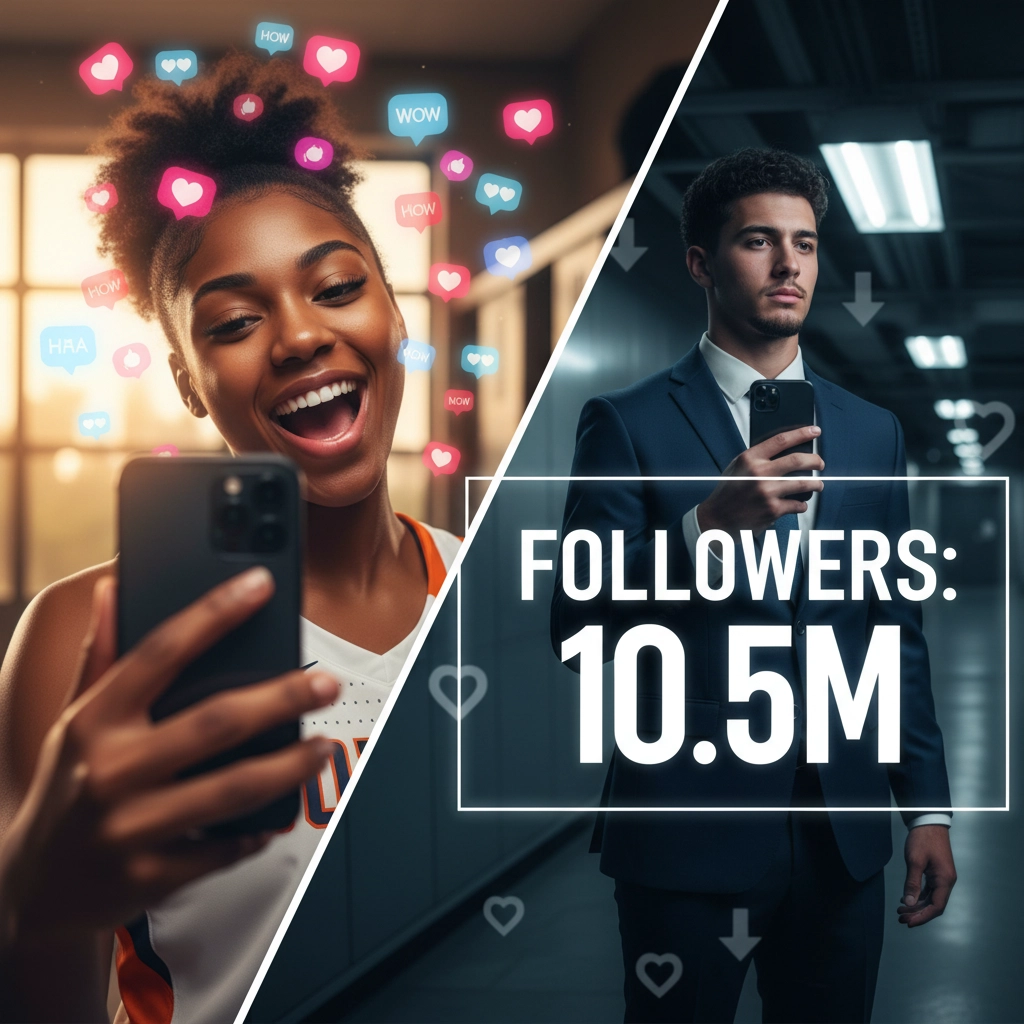
Most Fortune 1000 companies still get starry-eyed over follower counts. They see a basketball player with 800K Instagram followers and immediately assume that's their golden ticket to brand awareness. Meanwhile, they overlook the softball player with 50K followers who has her entire fanbase hanging on every word.
The reality? Follower count means almost nothing if those followers aren't actually engaged. Dead followers, bought followers, and passive followers won't drive sales or brand loyalty. What matters is genuine connection, active engagement, and audience alignment with your brand values.
The Fix: Start evaluating athletes based on engagement rates, comment quality, and audience authenticity. Look at how followers interact with their content. Are people asking questions? Sharing stories? Making purchases based on recommendations? A college athlete with 50,000 highly engaged followers often delivers better ROI than someone with 500,000 passive ones.
Mistake 2: Believing the Million-Dollar Headlines
Media coverage has created a dangerous illusion about NIL deal values. Every time LSU gymnast Livvy Dunne signs a major partnership or a top quarterback lands a massive endorsement, those stories dominate sports headlines. This creates what psychologists call the "availability heuristic" – companies start thinking million-dollar deals are normal when they're actually rare exceptions.
This misconception leads to unrealistic budget expectations and poor strategic planning. Brands either overspend on big names or get discouraged thinking they can't compete without massive budgets.
The Fix: Understand that most successful NIL partnerships happen at much lower price points with higher strategic value. The average college athlete partnership costs thousands, not millions. Focus on building a portfolio of authentic, smaller partnerships rather than chasing headline-grabbing megadeals that may not deliver proportional value.
Mistake 3: Ignoring Brand-Athlete Alignment
Too many brands treat NIL partnerships like a dating app – they swipe right based on surface-level appeal without considering deeper compatibility. A luxury fashion brand partnering with a football lineman who posts hunting content, or a health food company working with an athlete known for late-night pizza posts creates jarring disconnects that audiences immediately spot.
These mismatches don't just fail to drive results, they actively damage brand credibility. College sports fans are incredibly savvy about authenticity, and they'll call out forced partnerships faster than you can say "sponsored content."
The Fix: Develop clear partnership criteria that prioritize authentic fit over surface-level metrics. Research potential partners thoroughly. What do they post about naturally? What brands do they already use and mention? How does their audience demographics match your target customers? The best NIL partnerships feel so natural that followers barely notice they're sponsored content.
Mistake 4: Using Traditional Advertising Approaches
Many Fortune 1000 companies approach NIL partnerships with their standard advertising playbook. They want polished product shots, scripted testimonials, and corporate-approved messaging. The result? Content that feels completely foreign to the athlete's usual style and immediately screams "advertisement" to their followers.
College sports audiences value authenticity above everything else. They follow these athletes for genuine personality, behind-the-scenes access, and real insights into student-athlete life. When brands try to turn athletes into corporate spokespeople, they lose everything that made the partnership valuable in the first place.
The Fix: Give athletes creative freedom within your brand guidelines. Encourage storytelling that integrates your product or service into their genuine experiences. Instead of asking for a product demonstration, ask how your brand fits into their daily routine. The best NIL content feels like authentic recommendations between friends, not advertising pitches.

Mistake 5: Spreading Budgets Too Thin
The spray-and-pray approach rarely works in NIL. Many Fortune 1000 companies partner with dozens of athletes for minimal investments, hoping something sticks. They might spend $500 each on 50 different partnerships instead of investing $25,000 in meaningful collaborations with fewer, more strategic partners.
This approach treats athletes like billboards instead of brand partners. It creates transactional relationships that generate forgettable content and miss opportunities for deeper brand integration and long-term value building.
The Fix: Prioritize quality over quantity by developing deeper relationships with fewer athletes. Invest more substantially in partnerships that allow for multiple touchpoints, seasonal campaigns, and meaningful brand integration. A year-long partnership with quarterly activations will always outperform a dozen one-off posts from different athletes.
Mistake 6: Ignoring Platform Dynamics
Different social media platforms require completely different content strategies, but many brands use a one-size-fits-all approach. They might have an athlete create one piece of content and then post identical versions across Instagram, TikTok, and Twitter. This ignores each platform's unique audience behavior, content formats, and engagement patterns.
TikTok, in particular, remains massively underutilized despite its explosive growth among college-age audiences. The platform's algorithm and content style require specific approaches that many traditional marketers haven't mastered yet.
The Fix: Develop platform-specific content strategies that leverage each channel's unique strengths. TikTok content should feel native to TikTok – short, engaging, often humorous or educational. Instagram content can be more polished and lifestyle-focused. Twitter works better for real-time reactions and personality-driven content. Train your team on platform best practices or partner with agencies that understand these nuances.
Mistake 7: Providing Unclear Content Guidelines
Without proper direction, athlete partnerships often produce content that completely misses brand messaging goals or fails to meet basic quality standards. Some brands go too far in the opposite direction, providing such rigid guidelines that they stifle all creativity and authenticity.
Finding the right balance between brand standards and authentic athlete voice requires clear communication, specific examples, and collaborative feedback processes that many Fortune 1000 companies haven't developed yet.
The Fix: Create comprehensive but flexible content guidelines that include brand voice, key messaging points, visual requirements, and campaign objectives while preserving authentic athlete personality. Provide examples of successful content from other partnerships. Establish approval processes that allow for collaboration and iteration rather than just rejection. Most importantly, explain the "why" behind your guidelines so athletes understand your brand goals and can contribute ideas that achieve them authentically.
The Path Forward for Major Brands
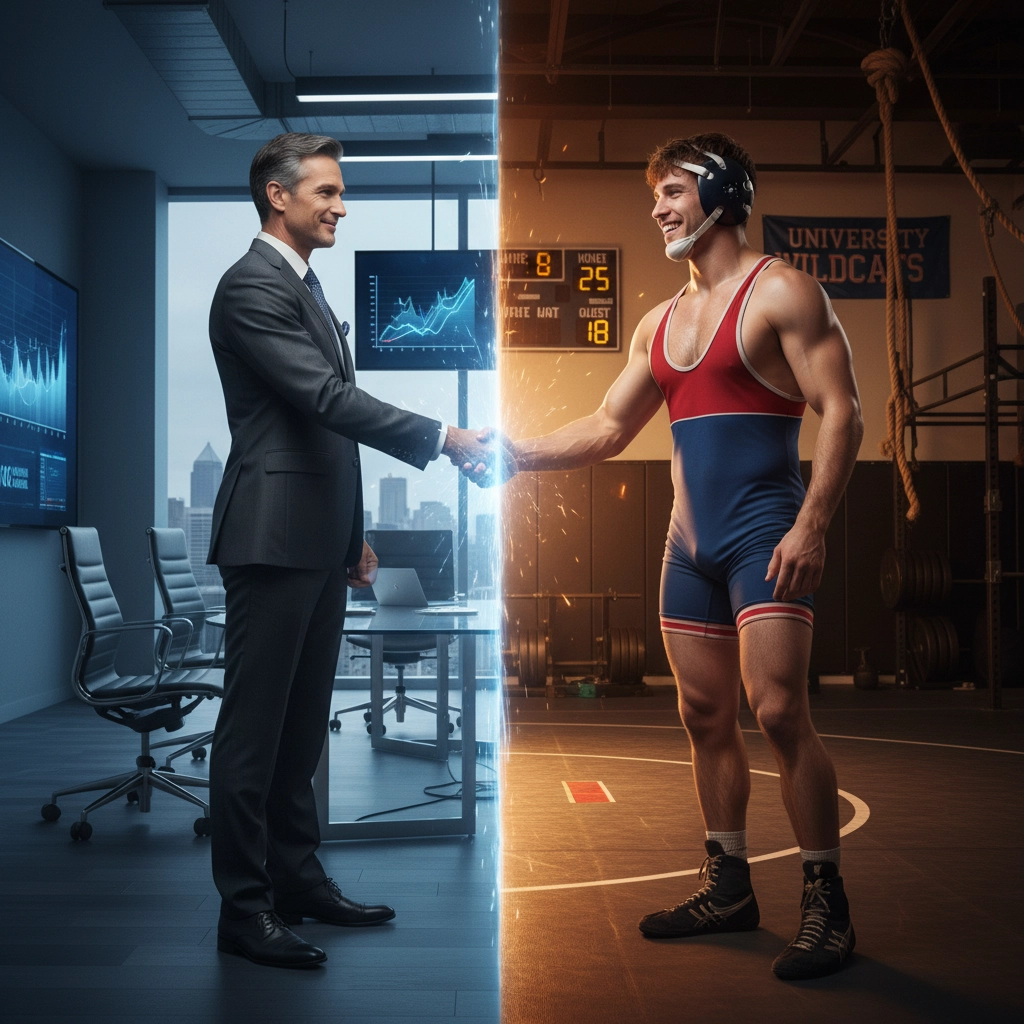
The NIL marketplace rewards authentic relationships, strategic thinking, and genuine value creation over traditional advertising approaches. Fortune 1000 companies that understand these evolved dynamics will build sustainable competitive advantages in college sports marketing.
Success requires moving beyond transactional relationships to develop genuine partnerships that create value for brands, athletes, and their audiences. The companies making these adjustments now will dominate NIL marketing for years to come, while those clinging to outdated approaches will continue wasting resources on ineffective campaigns.
The NIL economy is still young enough that major brands can course-correct quickly and establish themselves as preferred partners for top college athletes. But the window for easy wins is closing fast as more companies learn to navigate this space effectively.
Ready to fix these mistakes and build a world-class NIL program? The time to act is now, while the marketplace still rewards early adopters who get the strategy right.