The harsh reality? Yes, many small school athletes are getting left behind in the NIL gold rush. But here's the thing – it doesn't have to be that way.
While major programs are throwing around massive NIL deals and dominating headlines, student-athletes at smaller schools are often left wondering if they'll ever see a piece of the action. The gap is real, and it's growing. Power 5 schools have deep-pocketed alumni networks and massive media exposure that smaller institutions simply can't match.
But before you throw in the towel, consider this: small college athletes have earned over $200,000 through platforms like Opendorse in just the last six months. That's proof that real NIL opportunities exist beyond the elite level – you just need to know where to look and how to compete.
The truth is, small school athletes have unique advantages that many overlook. You're more accessible to local businesses, your community connection runs deeper, and brands often prefer authentic partnerships over flashy celebrity endorsements. The key is leveraging these strengths strategically.
Step 1: Build Your Personal Brand Like Your Career Depends On It
Your athletic performance alone won't cut it in the NIL game. You need to become a complete package – an athlete-influencer who brings genuine value to potential partners.
Start with your social media presence. This isn't about posting gym selfies or highlight reels (though those matter too). Create content that shows your personality, your values, and what makes you unique. Are you passionate about community service? Document your volunteer work. Love cooking? Share your favorite healthy recipes. The goal is to become someone brands want to associate with, not just sponsor.
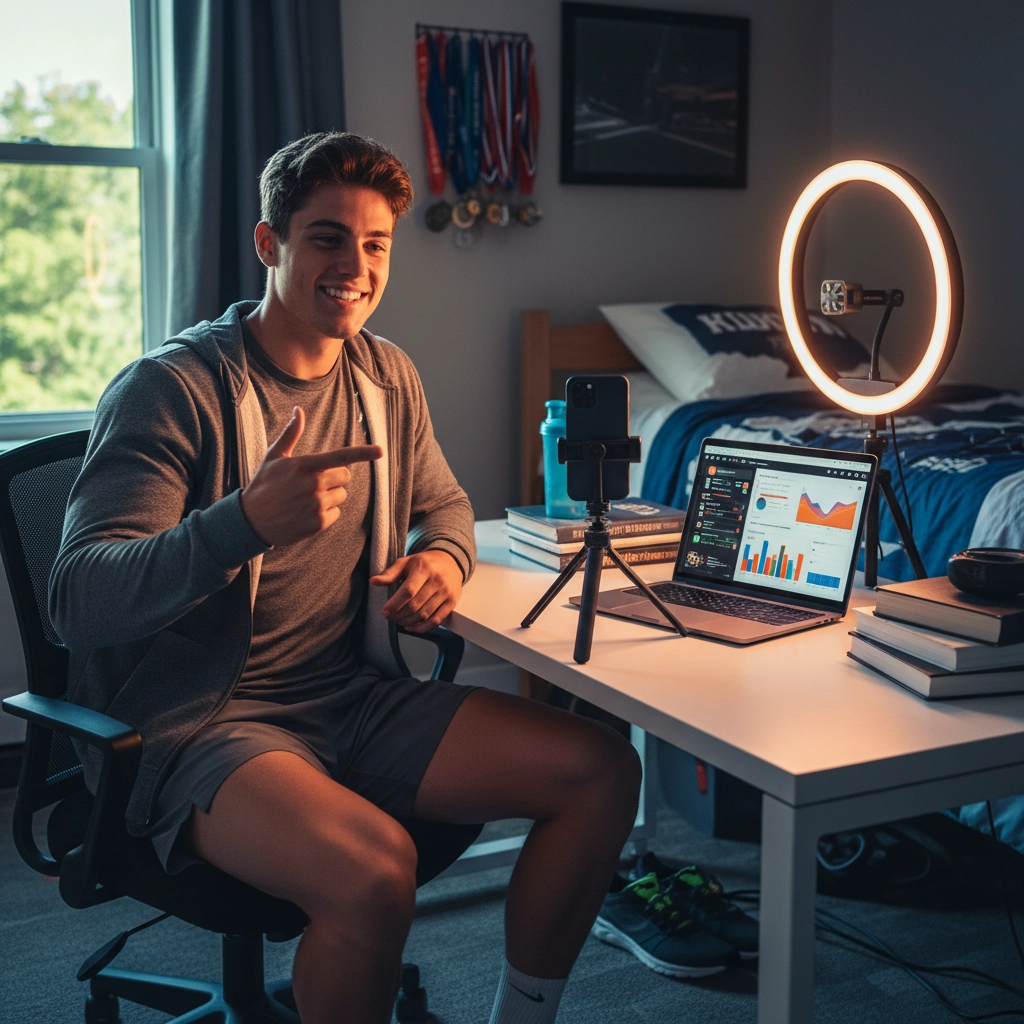
Complete your profiles on NIL marketplaces with professional photos, engaging videos, and detailed information about your interests and values. Brands are looking for authentic connections, not just follower counts. A small school athlete with 2,000 engaged local followers can be more valuable to a regional business than a major program player with 50,000 disengaged followers.
Your personal brand should extend beyond sports. What are you studying? What career path interests you? Brands love athletes who represent growth, education, and positive life choices. This is where small school athletes often have an advantage – you're typically more well-rounded and approachable than athletes in pressure-cooker environments.
Step 2: Master the Art of Local Partnerships
While you probably won't land deals with Nike or Coca-Cola, your local market is full of untapped opportunities. Small school athletes are perfectly positioned to become the face of local businesses.
Think about the businesses in your college town and surrounding area. Restaurants, fitness centers, clothing stores, car dealerships, real estate agents, insurance companies – these businesses need marketing help and often have budgets specifically allocated for local advertising.
The secret sauce? These partnerships feel authentic because they are authentic. When you promote the local pizza place where you actually eat after games, or the gym where you really work out, your audience can tell the difference. That authenticity translates into better engagement and more effective marketing for the business.
Approach these partnerships professionally. Don't just slide into DMs asking for free stuff. Prepare a simple media kit showing your follower demographics, engagement rates, and examples of previous content. Propose specific deliverables – Instagram posts, stories, appearance at their grand opening, etc.
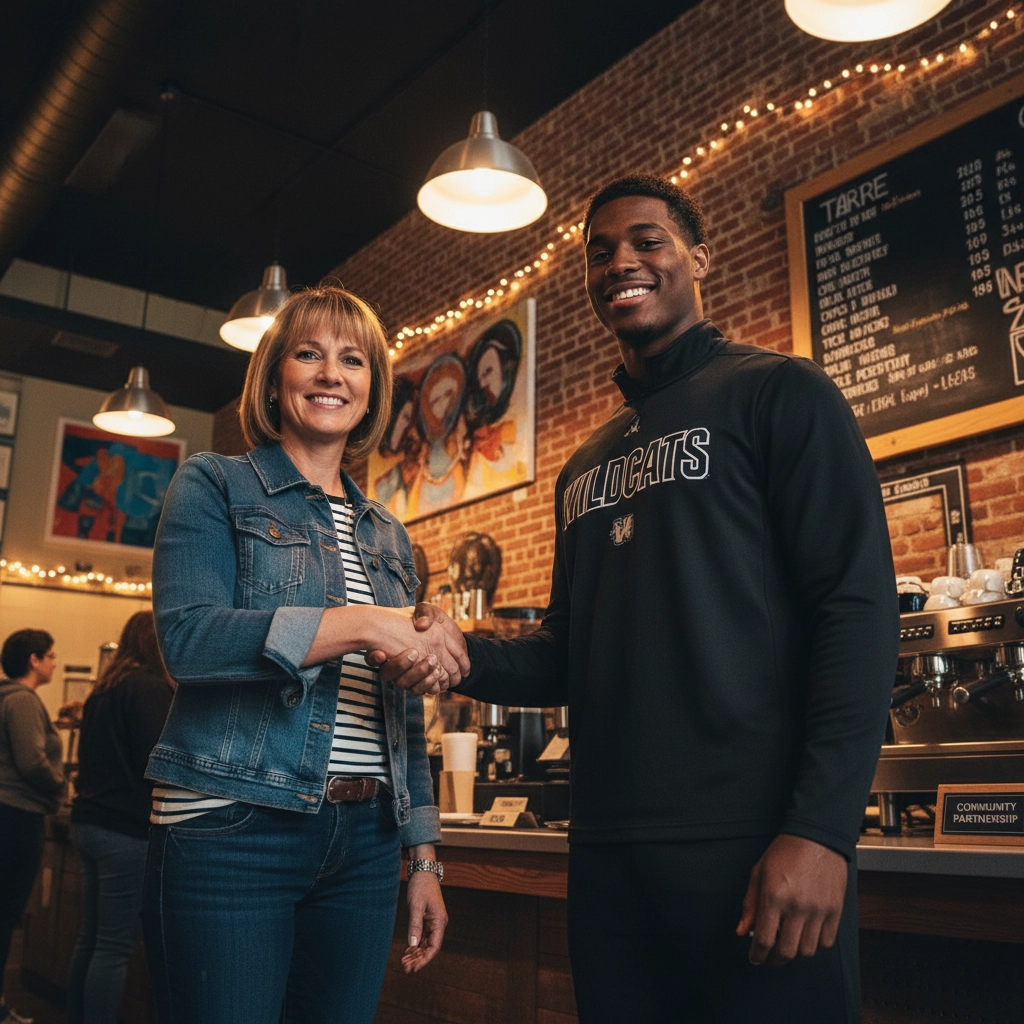
Local businesses often prefer working with student-athletes because you're part of their community long-term. You're not just passing through for a season – you're building relationships that can extend well beyond your college career.
Step 3: Leverage Your School's NIL Resources
Many small schools are working overtime to level the playing field for their athletes. Your athletic department likely has resources you haven't even discovered yet.
Start by connecting with your school's NIL compliance officer or athletic department staff. Many NCAA schools now have dedicated personnel to help athletes navigate NIL opportunities safely and effectively. They often have connections with local businesses, alumni networks, and regional brands that are specifically interested in supporting your school's athletes.
Don't overlook NIL collectives – groups of donors and boosters who pool money specifically to support athletes at their school. While small schools' collectives may not have Power 5 budgets, they're often more personal and focused on genuine support rather than just recruiting advantages.
Your school may also have partnerships with NIL marketplaces or platforms that can connect you with opportunities you'd never find on your own. These platforms often have specific programs for smaller schools and emerging athletes.
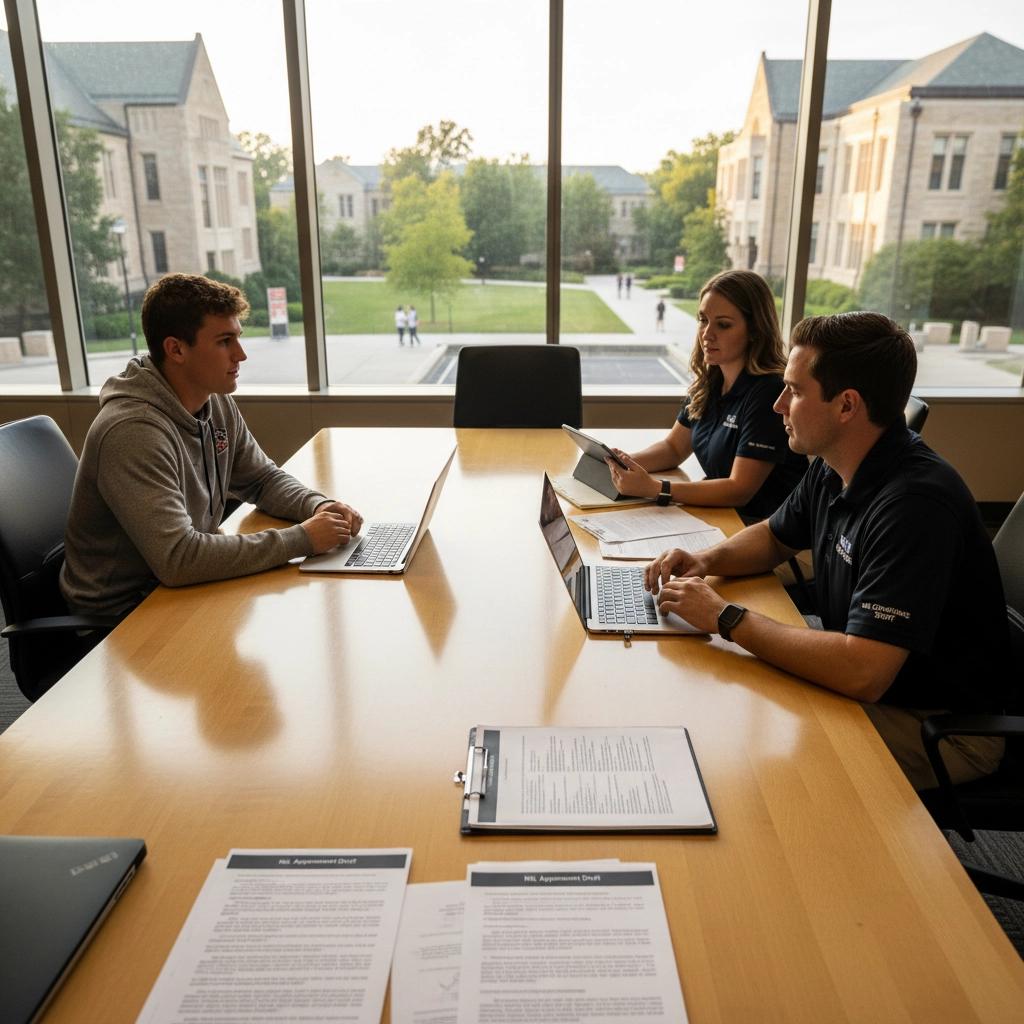
Academic partnerships can be golden too. If you're in business, marketing, communications, or related fields, propose NIL deals as class projects or internship opportunities. You get real-world experience while potentially landing paying partnerships.
Step 4: Think Beyond Traditional Sponsorships
The most successful small school athletes in the NIL space aren't just getting paid to post photos – they're creating genuine value through diverse revenue streams.
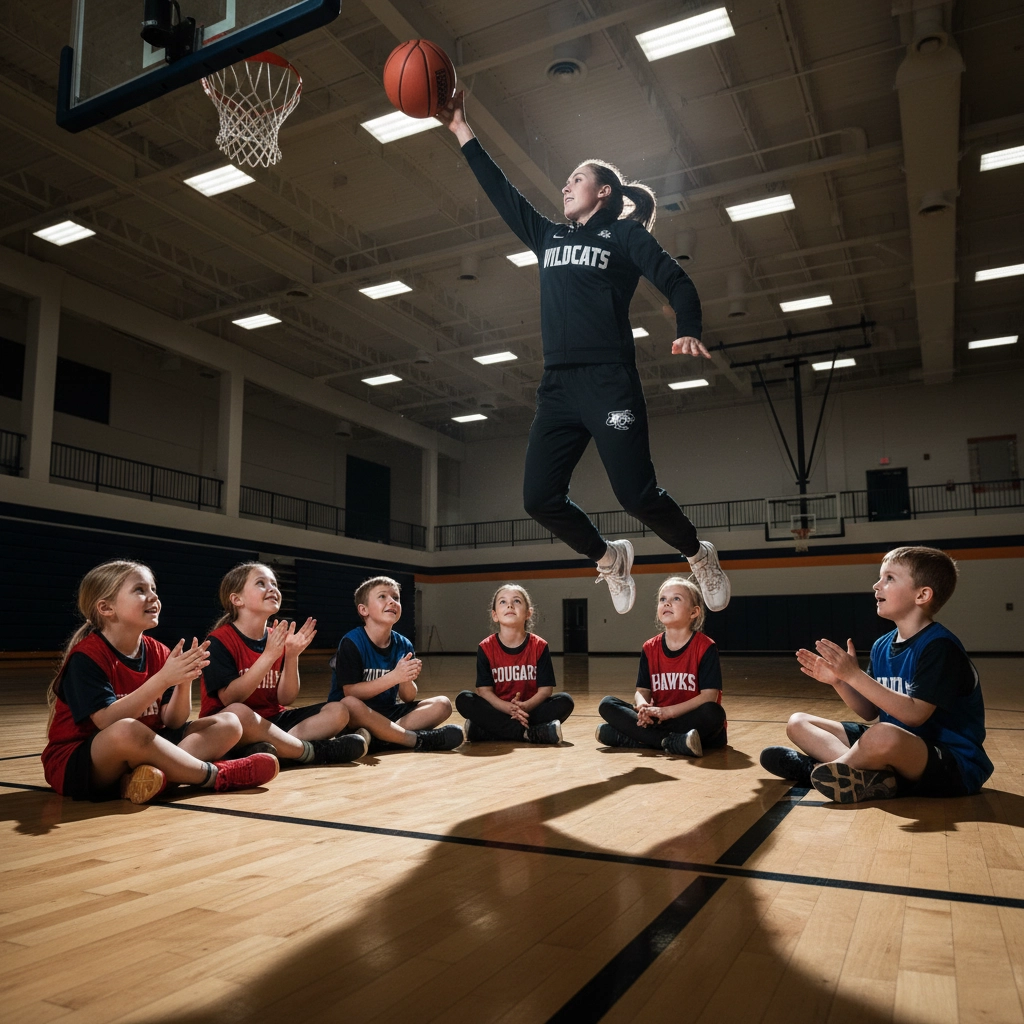
Consider offering services, not just endorsements. Are you great with kids? Offer youth coaching clinics. Excel academically? Provide tutoring services. Have a talent beyond sports? Monetize it. The goal is to position yourself as someone who provides real value, making you indispensable to your partners.
Event appearances can be surprisingly lucrative for small school athletes. Local businesses often need authentic personalities for grand openings, charity events, or promotional campaigns. Your rate might be $200-500 per appearance – not life-changing money, but it adds up quickly.
Content creation is another opportunity. Local businesses need social media content, promotional videos, and photography. If you can provide these services while authentically representing their brand, you've created a win-win situation that goes far beyond traditional sponsorship.
Seasonal opportunities matter too. Think about the calendar – graduation parties, summer camps, holiday events, back-to-school promotions. Position yourself as the go-to athlete for year-round marketing needs, not just during your sport's season.
Step 5: Stay Compliant and Professional
This is where small school athletes often have an advantage – you can build lasting relationships with compliance staff and really understand the rules.
As of July 2025, any third-party NIL deal exceeding $600 must be reported to the NIL Go clearinghouse for review. This isn't just a formality – failure to report properly can cost you your eligibility. The good news? Small school compliance offices are typically more accessible and willing to walk you through the process.
Keep detailed records of every deal, conversation, and payment. Create a simple spreadsheet tracking dates, companies, payment amounts, and deliverables. This organization will serve you well during any compliance reviews and help you track your NIL income for tax purposes.
Professional communication is crucial. Respond to inquiries promptly, deliver on promises, and treat every partnership like it could lead to bigger opportunities. Small communities talk, and your reputation will precede you.
Remember that NIL deals should reflect fair market value. This protects both you and the businesses you work with. Small school athletes often have more flexibility to negotiate terms that work for everyone involved, rather than being locked into rigid corporate contracts.
The Small School Advantage is Real
Here's what the headlines miss: being a small school athlete in the NIL era isn't just about overcoming disadvantages – it's about leveraging unique strengths.
You have access to decision-makers. At a small school, you can often speak directly with local business owners, not just their marketing departments. You're part of a tight-knit community where relationships matter more than follower counts.
Your authenticity shines brighter. While major program athletes might seem untouchable, you're the athlete fans see at the grocery store, the coffee shop, and local events. That accessibility is incredibly valuable to local brands.
The competition is less intense. Instead of fighting for scraps with dozens of other athletes at major programs, you might be the only Division II basketball player a local business knows personally.
Most importantly, you're building skills that will serve you long after your athletic career ends. The marketing, communication, and business relationship skills you develop through NIL will be valuable in any career path you choose.
The small school NIL landscape is challenging, but it's far from hopeless. By focusing on authentic relationships, leveraging local opportunities, and approaching NIL as a business skill rather than just easy money, you can build meaningful partnerships that benefit everyone involved.
Your size might be small, but your opportunities don't have to be. The key is being strategic, professional, and authentic in everything you do.
Ready to take your NIL game to the next level? Dan Kost and the team at Name. Image, Likeness. are here to help small school athletes maximize their potential. Contact us at info@MySportsMedia.com, visit mysportsmedia.com/nil, or reach out directly to discuss how we can help you build lasting partnerships that go beyond your college career.
Share this post and help other small school athletes realize their NIL potential! #HighPerformance
Follow us: Facebook | Instagram | LinkedIn | X