If you've ever felt like your NIL opportunities aren't living up to the hype, you need to see this. Most college athletes think building a personal brand means posting more content and hoping brands notice. What they don't realize is that 85% of student-athletes make critical personal branding mistakes that actually push sponsors away instead of attracting them.
The good news? Every single one of these mistakes is completely fixable once you know what to look for.
Why NIL Personal Branding Mistakes Cost Athletes Thousands
The name, image, and likeness landscape has opened incredible doors for student-athletes, but it's also created a minefield of branding pitfalls. Athletes who nail their personal brand can earn tens of thousands in NIL deals, while those who don't often struggle to land even basic partnerships.
The difference isn't talent on the field – it's strategic personal branding off the field.
Mistake #1: Failing to Define a Clear Brand Identity
The Problem
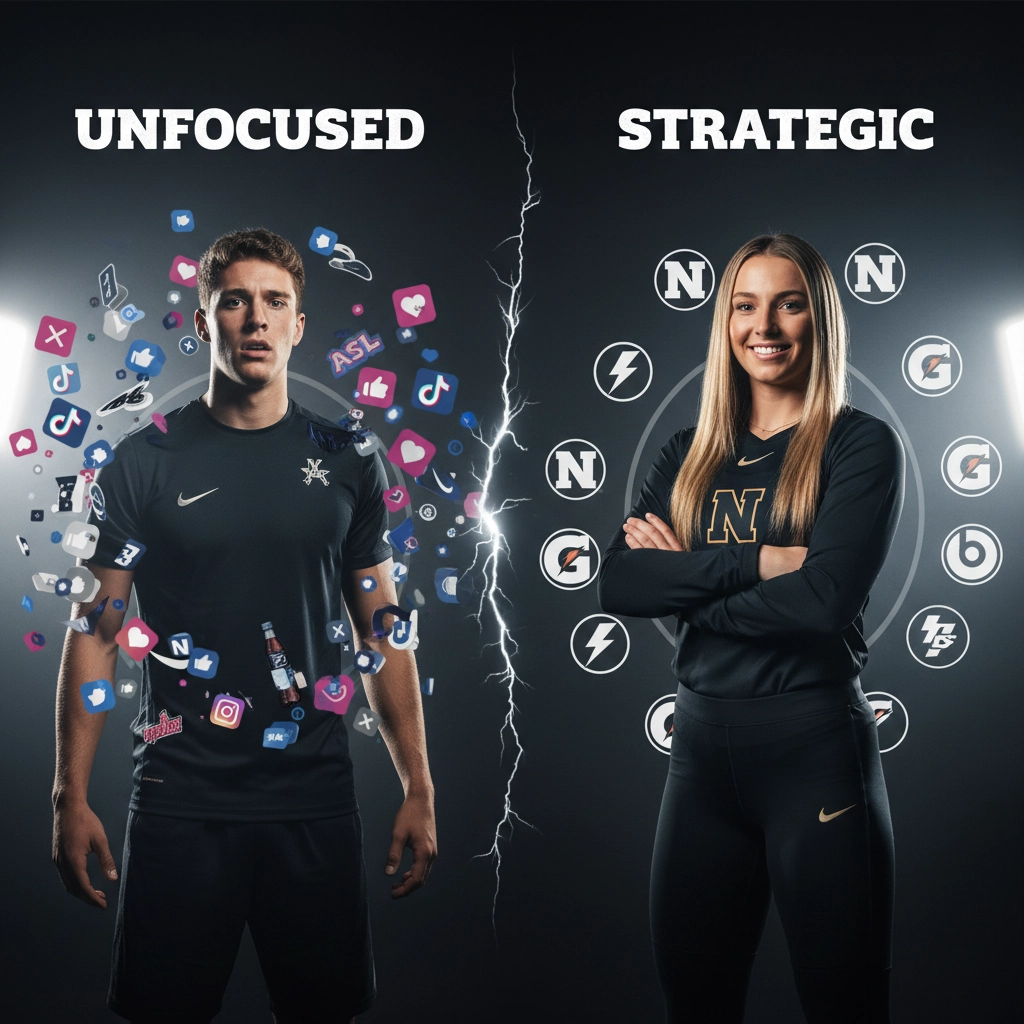
Here's what happens to most athletes: they see NIL as a quick cash grab and jump into deals without understanding who they are or what they represent. This creates inconsistent messaging across social media platforms, confuses potential sponsors, and makes it nearly impossible for fans to connect authentically.
When brands can't figure out what you stand for in 30 seconds of scrolling through your content, they move on to the next athlete.
How Athletes Fix This
Start with brand foundation questions:
- What three words would teammates use to describe you?
- What causes or values do you genuinely care about?
- What unique story or perspective do you bring that other athletes don't?
- Where do you want to be in 10 years, both in sports and beyond?
Once you answer these, create 2-3 brand pillars that guide every piece of content you create. For example, if you're passionate about mental health awareness, youth mentoring, and fitness, every post should connect back to at least one of these themes.
Pro tip: Write a one-sentence brand statement that captures your essence. Something like: "I help young athletes overcome mental health challenges through authentic storytelling and proven training techniques."
Mistake #2: Neglecting Social Media Strategy (Or Going All-In Without Purpose)
The Problem
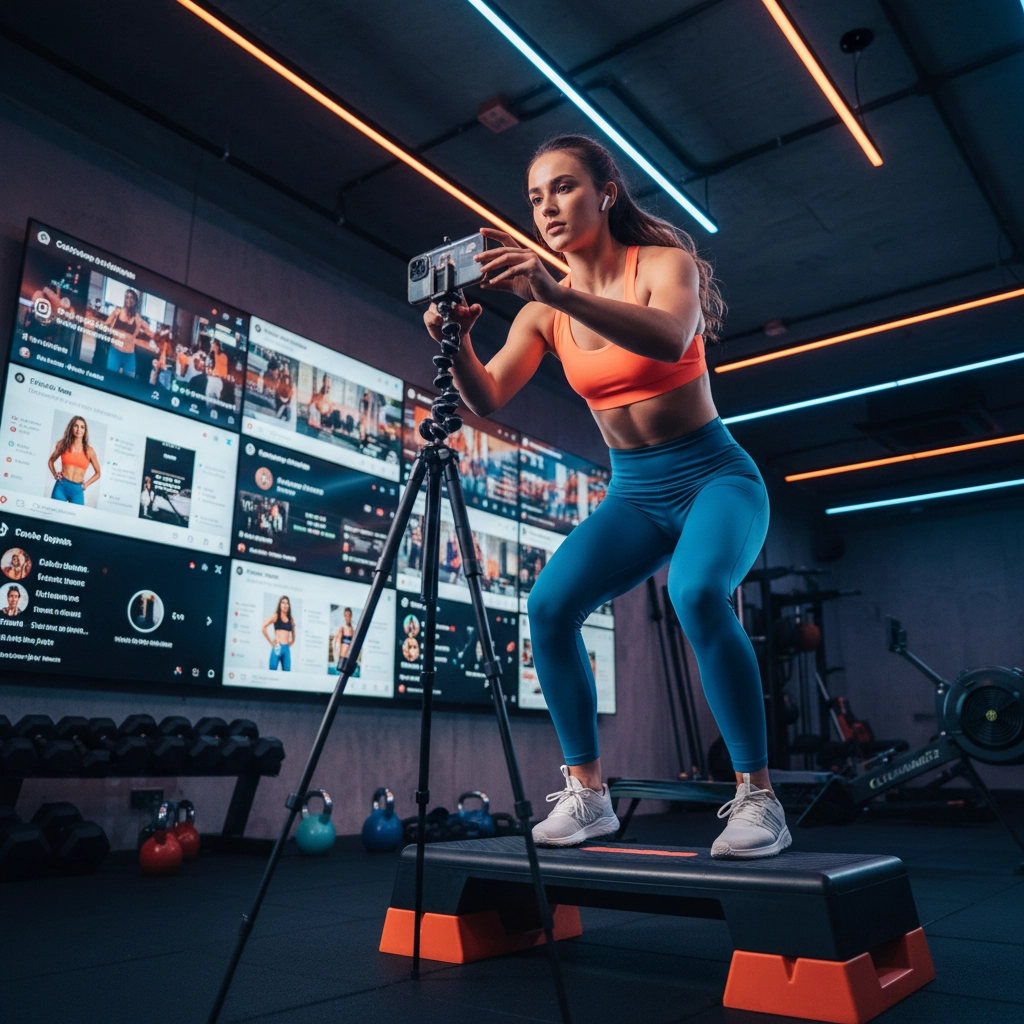
Athletes either post random content hoping something sticks, or they disappear from social media for weeks at a time. Both approaches kill brand momentum and reduce engagement with followers who could become loyal supporters and attract sponsor attention.
Inconsistent posting confuses the algorithm and makes it harder for potential sponsors to evaluate your audience engagement and reach.
How to Build a Strategic Social Media Presence
Create a content calendar with these four content types:
- Behind-the-scenes content (40%) – Training sessions, game prep, recovery routines
- Educational content (30%) – Tips, tutorials, lessons learned from your sport
- Personal stories (20%) – Family moments, challenges overcome, life outside sports
- Community engagement (10%) – Responding to followers, collaborating with teammates
Platform-specific strategies:
- Instagram: Focus on high-quality visuals and Stories for daily engagement
- TikTok: Create entertaining, educational short-form videos that showcase personality
- Twitter/X: Share quick thoughts, engage with sports conversations, build community
- YouTube: Develop longer-form content like training vlogs or Q&A sessions
Post consistently (3-4 times per week minimum) and engage authentically with your audience through comments, polls, and Q&A sessions.
Mistake #3: Ignoring NIL Rules, Compliance, and Financial Management
The Problem
Many student-athletes treat NIL income like play money, not realizing they're now running a business with serious tax and compliance obligations. Unlike traditional jobs where taxes are automatically withheld, NIL income often comes as full payments – meaning athletes owe taxes they might not have set aside.
Additionally, violating NCAA compliance rules can cost you eligibility, effectively ending your college athletic career.
How to Stay Compliant and Financially Smart
Set up proper business practices immediately:
- Tax preparation: Set aside 25-30% of every NIL payment for taxes
- Record keeping: Track all NIL income, expenses, and contracts in a simple spreadsheet or app
- Professional guidance: Find a tax professional familiar with athlete finances and NIL regulations
Compliance checklist:
- Review your school's specific NIL policies before signing any deals
- Report NIL activities to your compliance office as required
- Ensure deals don't conflict with team sponsors or university partnerships
- Avoid using school logos, uniforms, or facilities in NIL content unless explicitly allowed
Consider consulting with professionals who specialize in athlete representation to ensure contracts protect your long-term interests.

Mistake #4: Trying to Be Everything to Everyone
The Problem
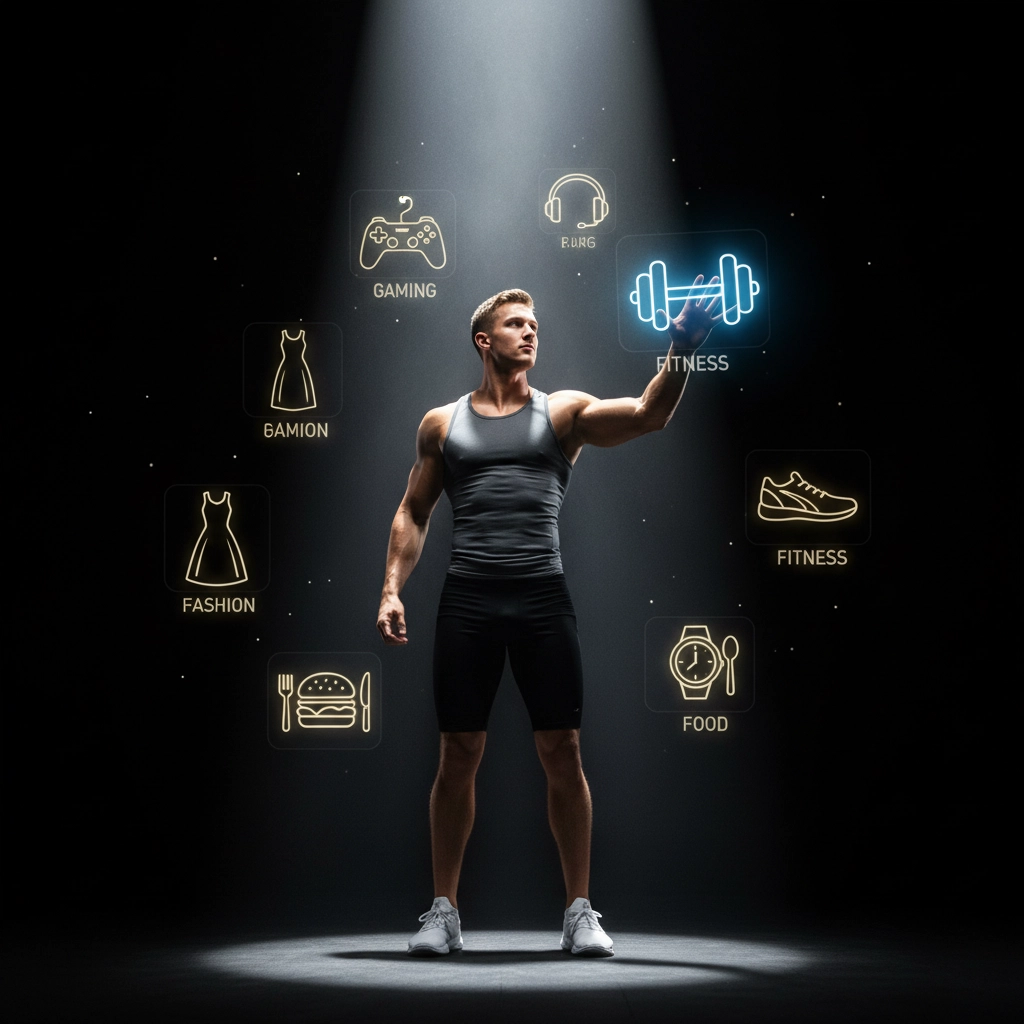
Athletes who attempt to appeal to every possible audience end up with confused, scattered personal brands. They post fitness content one day, gaming content the next, then switch to fashion or food content, hoping to attract any brand willing to pay.
This shotgun approach makes it impossible for sponsors to understand your audience or see how you fit their marketing goals.
How to Find Your Niche and Own It
Instead of casting a wide net, go deep with your authentic interests:
If you're genuinely passionate about nutrition and fitness, become the go-to athlete for health and wellness brands. If you love fashion, develop that angle consistently. If community service drives you, make that your brand differentiator.
The niche advantage:
- Sponsors can easily see how you fit their target market
- Your audience becomes more engaged because they know what to expect
- You can charge premium rates for partnerships in your specialty area
- You build genuine expertise and credibility in your chosen area
Questions to find your niche:
- What do teammates and friends always ask you about?
- What topics could you talk about for hours without getting bored?
- What brands do you genuinely use and love in your daily life?
Remember: being known for something specific is infinitely more valuable than being kind of known for everything.
Mistake #5: Signing Unfavorable Contracts Without Legal Review
The Problem
Young athletes often get excited about their first NIL opportunities and sign contracts without understanding the terms. This can result in losing control over your name and image rights, agreeing to unfavorable payment schedules, or granting perpetual usage rights that extend far beyond the original contract period.
Some contracts even include clauses that prevent you from working with competitors for years after the deal ends.
How to Protect Your Rights and Maximize Value
Never sign a contract without having it reviewed by:
- A qualified attorney familiar with NIL and sports marketing
- A trusted mentor or advisor who understands contract negotiations
- Your parents or guardians (if you're under 18)
Key contract terms to understand:
- Usage rights: How long can the brand use your content, and in what contexts?
- Exclusivity clauses: Are you prevented from working with competitors?
- Payment terms: When do you get paid, and what happens if payments are late?
- Termination clauses: How can either party end the agreement?
- Performance requirements: What exactly are you expected to deliver?
Pro tip: Consider trademarking your name early in your NIL journey. This legally protects your ability to use your name commercially and prevents others from claiming rights to it.
Frequently Asked Questions About NIL Personal Branding
How long does it take to build a strong personal brand for NIL opportunities?
Most athletes see initial results within 3-6 months of consistent, strategic content creation. However, building a truly powerful personal brand that attracts premium sponsorships typically takes 12-18 months of dedicated effort.
Should I hire an agent or manage NIL deals myself?
It depends on your deal complexity and comfort level. For simple social media partnerships under $1,000, many athletes handle negotiations themselves. For larger deals, endorsement contracts, or anything involving ongoing commitments, professional representation usually pays for itself.
What's the biggest mistake athletes make when negotiating NIL deals?
Focusing only on the upfront payment instead of considering long-term value, usage rights, and exclusivity restrictions. A lower-paying deal that allows you to work with multiple brands might be more valuable than a high-paying exclusive contract.
Your Next Steps to Fix These NIL Branding Mistakes
Building a strong personal brand takes time, but fixing these common mistakes can dramatically improve your NIL opportunities starting today.
Begin with defining your brand identity and values. Then audit your social media presence and create a consistent content strategy. Most importantly, educate yourself on the business and legal aspects of NIL deals before signing anything.
Ready to take your NIL personal branding to the next level? Explore our comprehensive NIL platform designed specifically to help student-athletes build authentic personal brands that attract meaningful sponsorship opportunities.
The athletes who treat personal branding as seriously as they treat their sport are the ones landing the biggest deals. Which group do you want to be in?