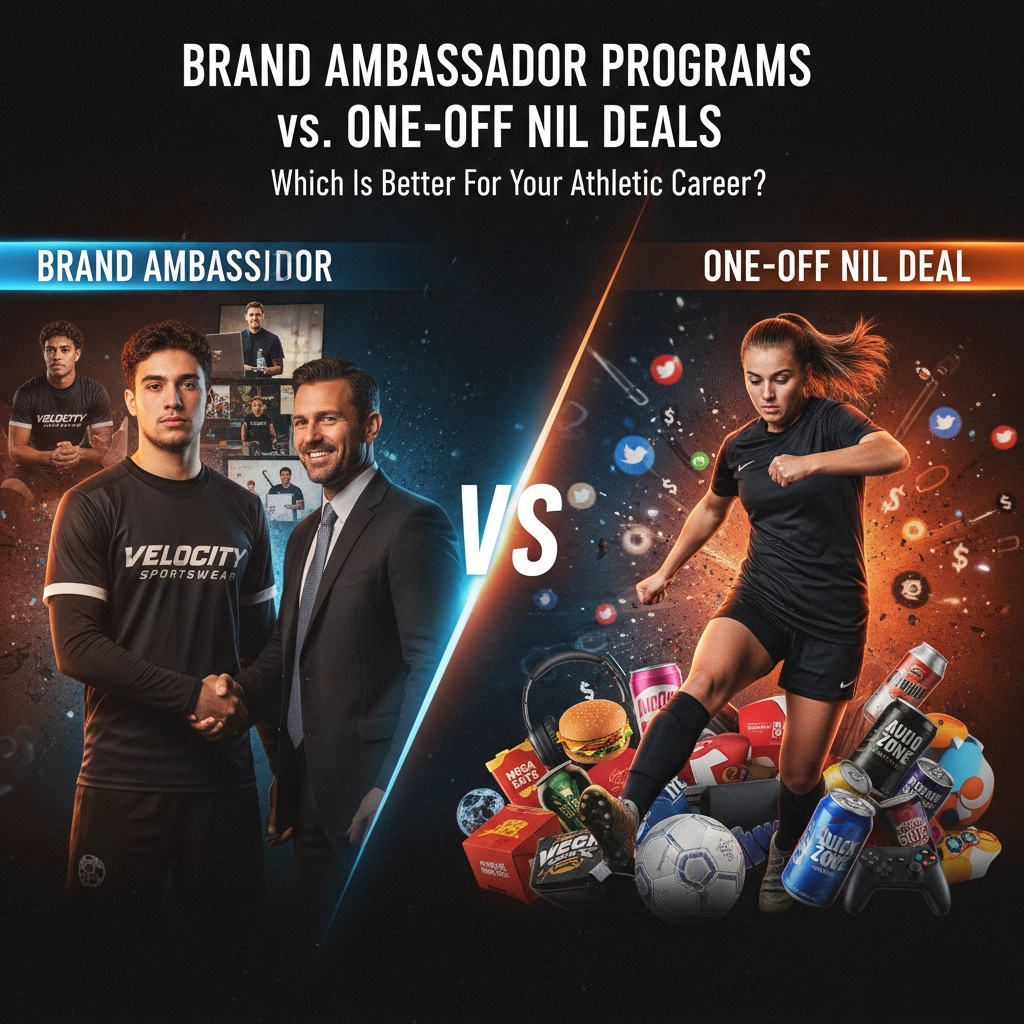
The NIL landscape is exploding. We're talking about growth from $234 million to nearly $1 billion in marketing deals by 2025-26. That's not just growth, that's a complete transformation of how brands connect with audiences through athletes.
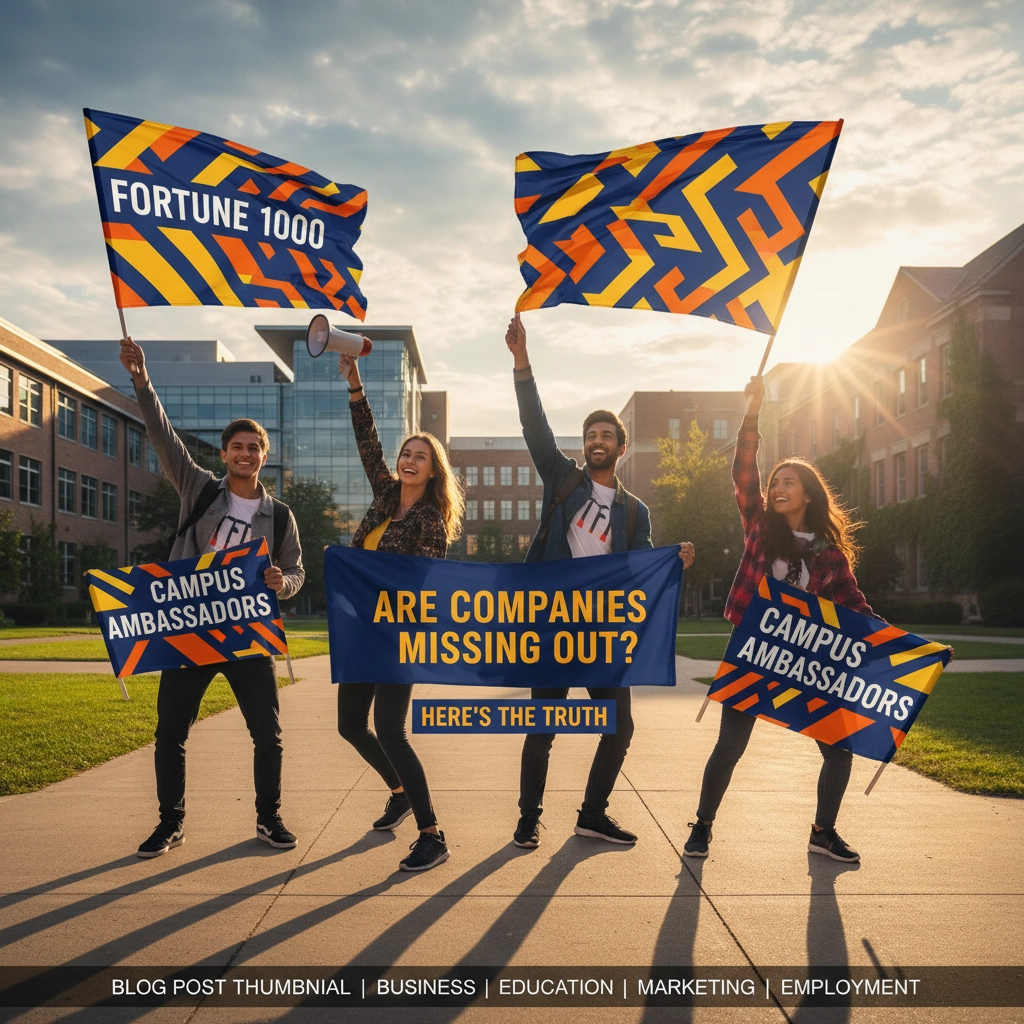
But here's the million-dollar question every marketing director is asking: Should you go big with Fortune 1000 partnerships or keep it local? The answer isn't as obvious as you might think.
The Fortune 1000 Approach: Go Big or Go Home
When major corporations jump into NIL, they're playing a different game entirely. These brands have deep pockets and national ambitions, which means they're often chasing the biggest names in college sports.
The Upside is Massive
Fortune 1000 companies get access to athletes with millions of followers. We're talking about partnerships that can reach audiences larger than most TV shows. When a top quarterback posts about your brand, you're potentially hitting 5-10 million eyeballs in a single post.
The production value alone sets these campaigns apart. Major brands can afford professional photo shoots, video production teams, and multi-platform content strategies. They can turn a simple endorsement into a full-blown marketing campaign that lives across social media, traditional advertising, and even retail partnerships.
Plus, there's the prestige factor. Associating your brand with elite athletes creates an aspirational connection. Consumers see your logo next to championship-level performance, and that association sticks.
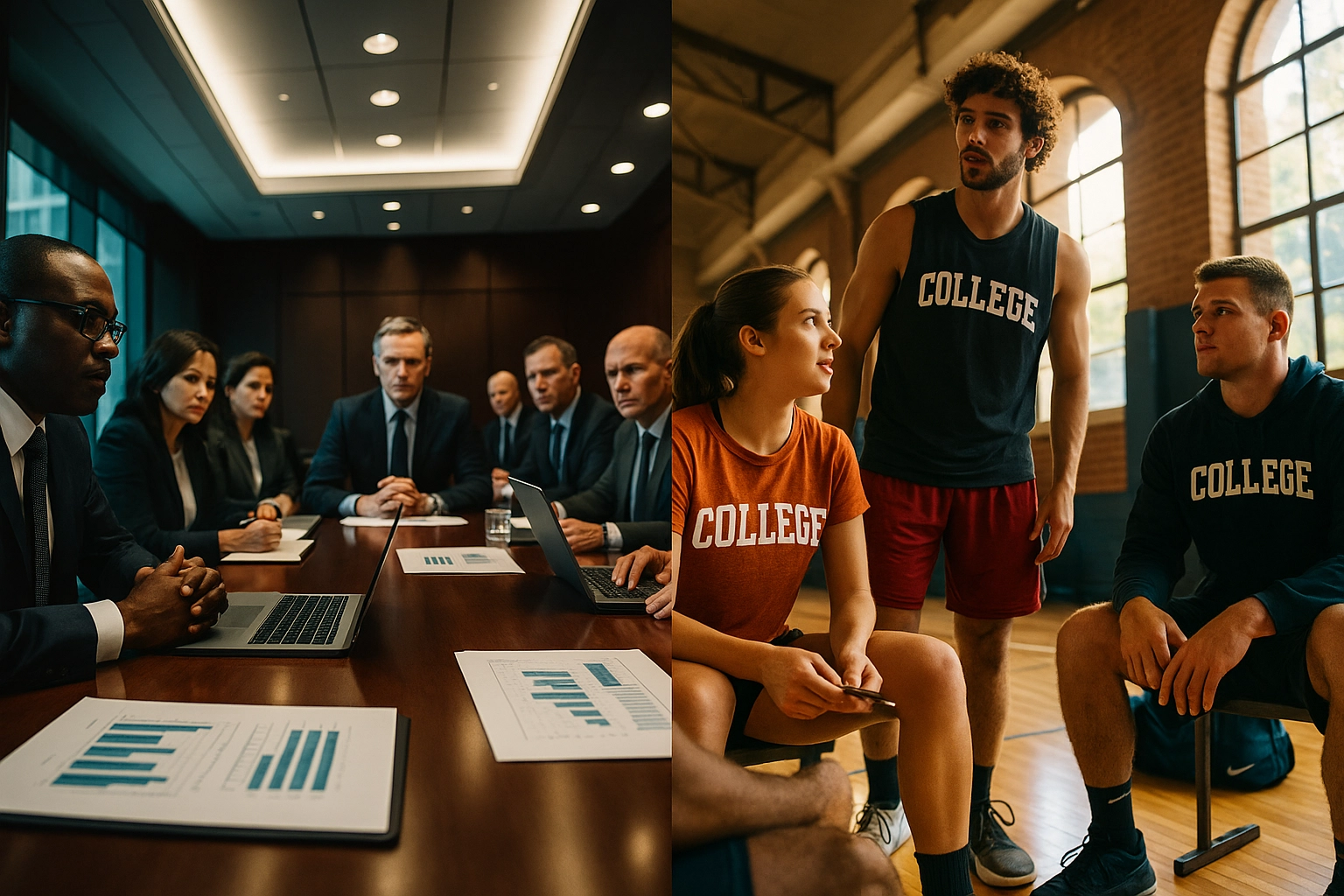
But the Costs Add Up Fast
Here's where it gets tricky. Top-tier athletes command premium prices. We're seeing deals in the six-figure range, sometimes pushing into seven figures for the biggest names. For a single athlete. For one campaign.
The competition is fierce too. When everyone's chasing the same star players, the prices inflate rapidly. You're not just competing against other brands in your industry, you're competing against every major company trying to capture that athlete's attention and audience.
And here's something that might surprise you: bigger doesn't always mean better engagement. Those millions of followers don't automatically translate to millions of engaged customers. The audience might be huge, but how many are actually in your target demographic?
Local Partnerships: The Hidden ROI Champions
While Fortune 1000 companies are battling over star athletes, smart brands are discovering gold in local partnerships. Mid-major schools, Division II and III athletes, and regional sports heroes are delivering returns that would make any CFO smile.
The Numbers Don't Lie
Athletes across all levels are generating 5.6% social engagement rates compared to traditional influencers at 1.9%. That's nearly three times better engagement, and it holds true whether you're partnering with a national star or a local soccer standout.
Local athletes often have incredibly engaged, tight-knit communities. Their followers aren't just numbers, they're neighbors, classmates, and genuine fans who trust their recommendations. When a local basketball player endorses a downtown restaurant, people actually show up.
The cost-effectiveness is remarkable too. Where Fortune 1000 brands might spend $100,000 on a single athlete, local campaigns can work with budgets of $1,000 to $10,000 and still generate measurable results.
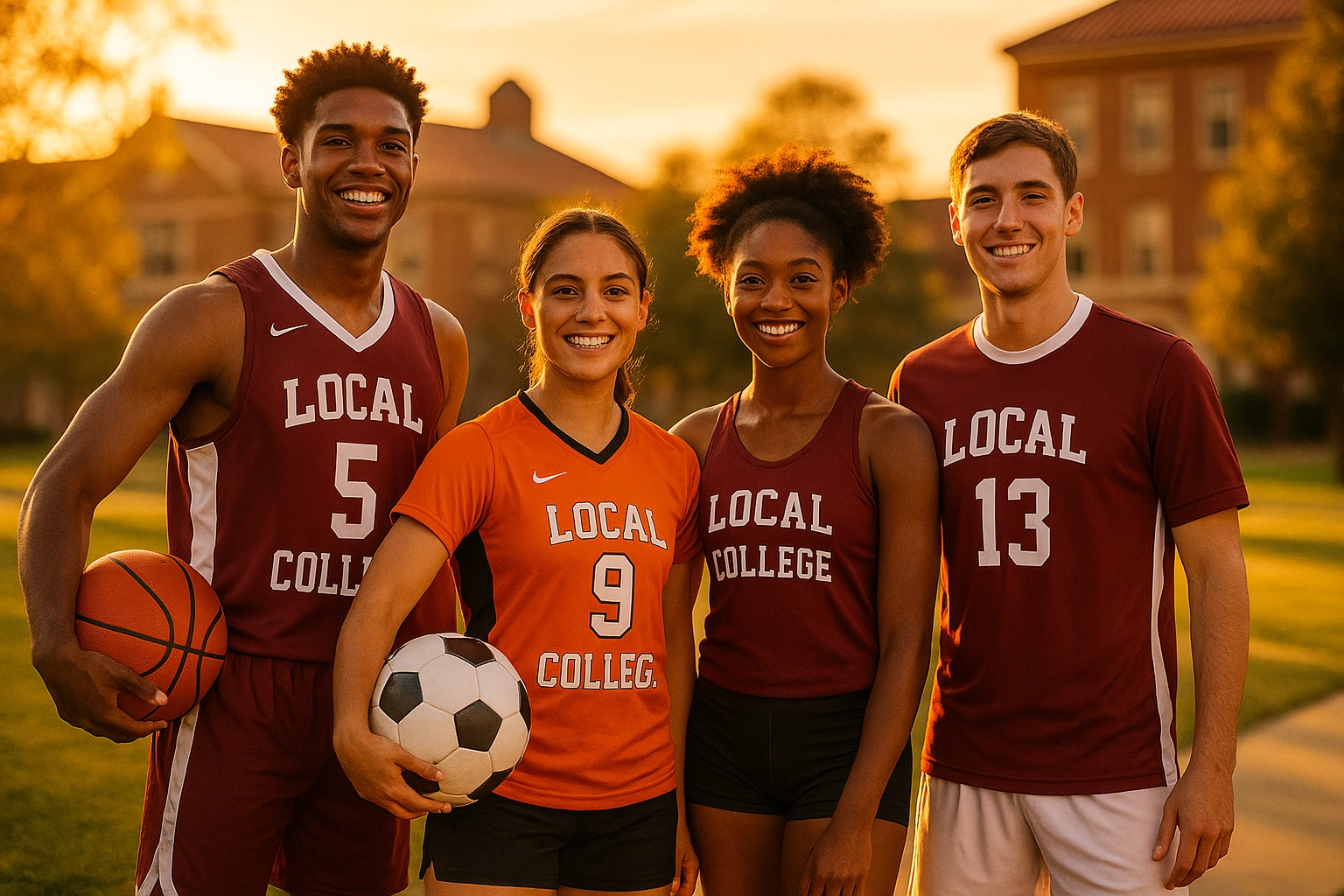
Real Community Connection
Local partnerships tap into something authentic that big-budget campaigns often miss: genuine community connection. These athletes are shopping at the same stores, eating at the same restaurants, and living in the same neighborhoods as their followers.
Take the Illinois Department of Transportation's campaign with local athletes promoting safe driving. By partnering with regional college athletes, they reached exactly the demographic they needed to influence, in the exact geographic area where it mattered. The message felt authentic because it came from athletes who actually drive those same roads.
Breaking Down the ROI Battle
Let's get practical about returns. Fortune 1000 campaigns excel at brand awareness metrics. If your goal is getting your name in front of as many eyeballs as possible, national partnerships deliver volume.
But local partnerships often win on conversion metrics. Higher engagement rates, more authentic connections, and targeted geographic reach translate to actual sales more effectively than broad exposure.
The tracking is different too. With local campaigns, you can more easily measure direct impact. Did foot traffic increase at your store location? Are people using the discount code the athlete promoted? These metrics are cleaner and more actionable.
The Smart Money Strategy
Here's what successful brands are figuring out: it's not really Fortune 1000 versus local. It's about matching your strategy to your goals and budget.
Go Fortune 1000 When:
- You're launching a national product
- Brand prestige is crucial to your positioning
- You have a substantial marketing budget (think $500K+)
- You need massive reach for a short-term campaign
- You're in a premium market where association with elite performance matters
Choose Local When:
- You're targeting specific geographic markets
- Authenticity and trust are more important than reach
- Your budget is under $100K for NIL marketing
- You want measurable, direct ROI
- You're building long-term community relationships
Making Your Partnerships Work
Regardless of which direction you choose, success comes down to execution. The most effective NIL campaigns focus on longer-form, content-rich partnerships rather than simple transactional posts.
Athletes need room to show their personality and explain why they genuinely connect with your brand. A single Instagram story isn't enough. Think about multi-platform campaigns, behind-the-scenes content, and ongoing relationships rather than one-off endorsements.

The Hybrid Approach
The smartest brands aren't choosing sides, they're using both strategies strategically. They build a foundation of local partnerships for authentic engagement and community connection, then selectively invest in high-profile national partnerships for brand elevation and awareness.
This approach maximizes budget efficiency. You get the authentic engagement and measurable ROI from local partnerships while still capturing the prestige and reach benefits of working with elite athletes.
Looking Ahead
As NIL continues to evolve, we're seeing more sophisticated approaches to partnership selection and measurement. Brands are getting better at identifying which athletes deliver actual value rather than just follower counts.
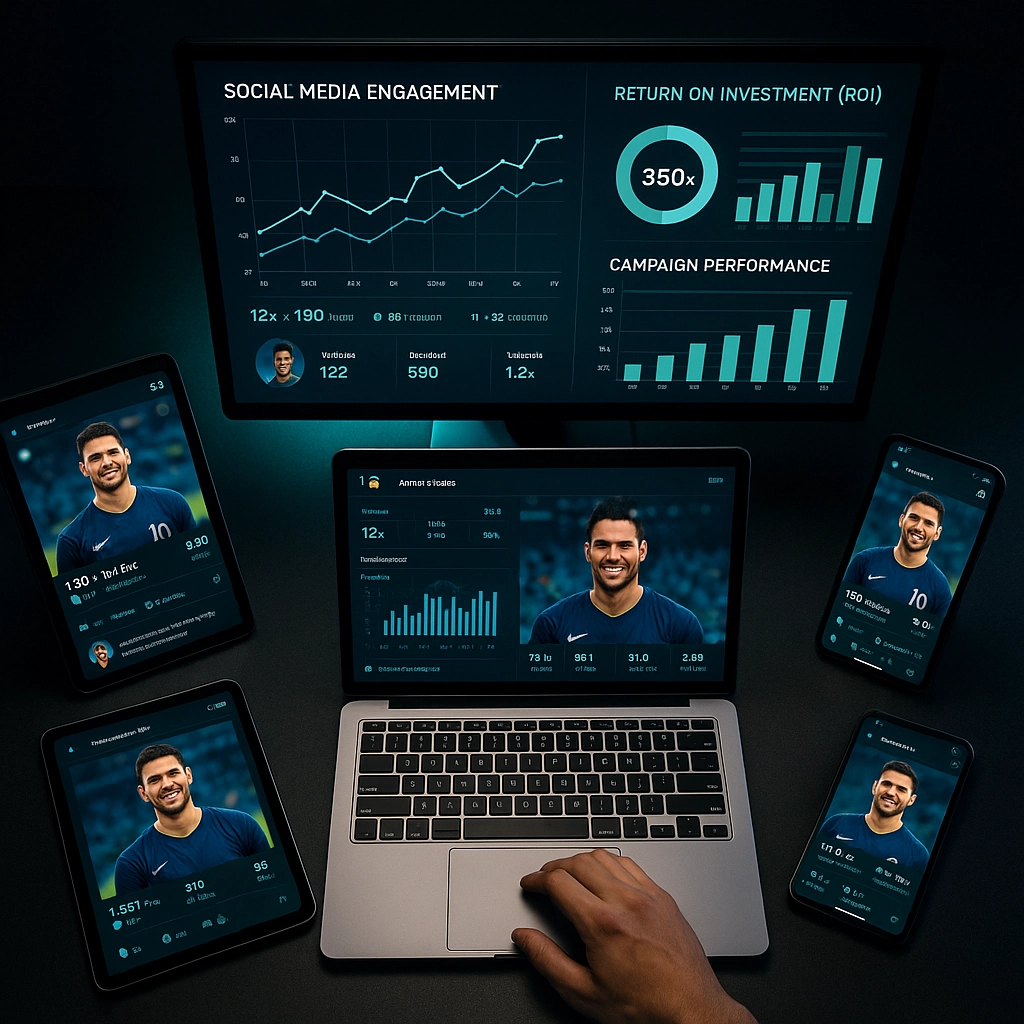
The platforms and tools for tracking NIL ROI are improving too. We can now measure everything from social media engagement to foot traffic to actual sales conversion, making both Fortune 1000 and local strategies more measurable and accountable.
The future belongs to brands that understand their specific goals and match their NIL strategy accordingly. Whether that means going big with national stars or building authentic local connections, success comes from strategic thinking, not just big spending.
Ready to explore NIL opportunities that fit your budget and goals? Check out our NIL program details to see how we can help you connect with the right athletes for your brand.
The choice between Fortune 1000 and local partnerships isn't about right or wrong. It's about right for you, your budget, and your business goals. The brands winning in NIL are the ones making strategic, data-driven decisions rather than just following the biggest names or the lowest costs.