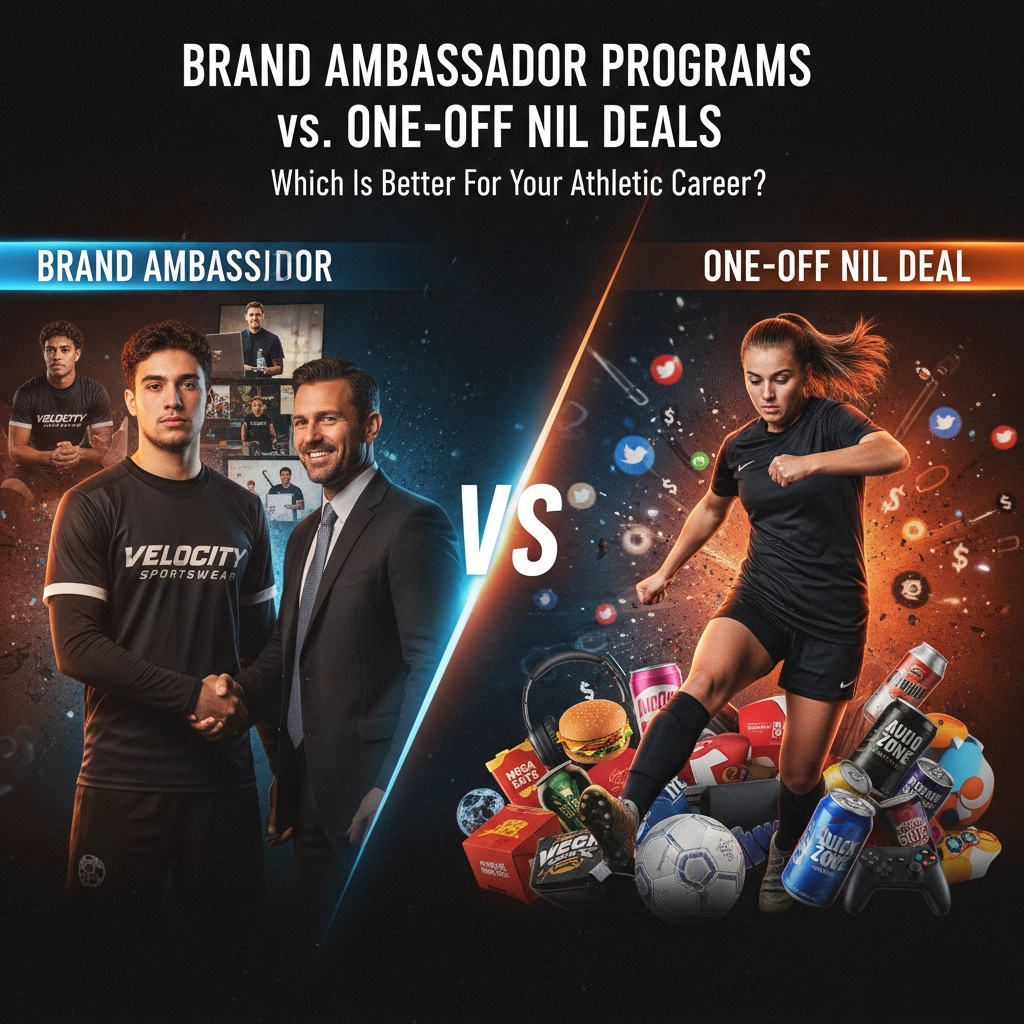
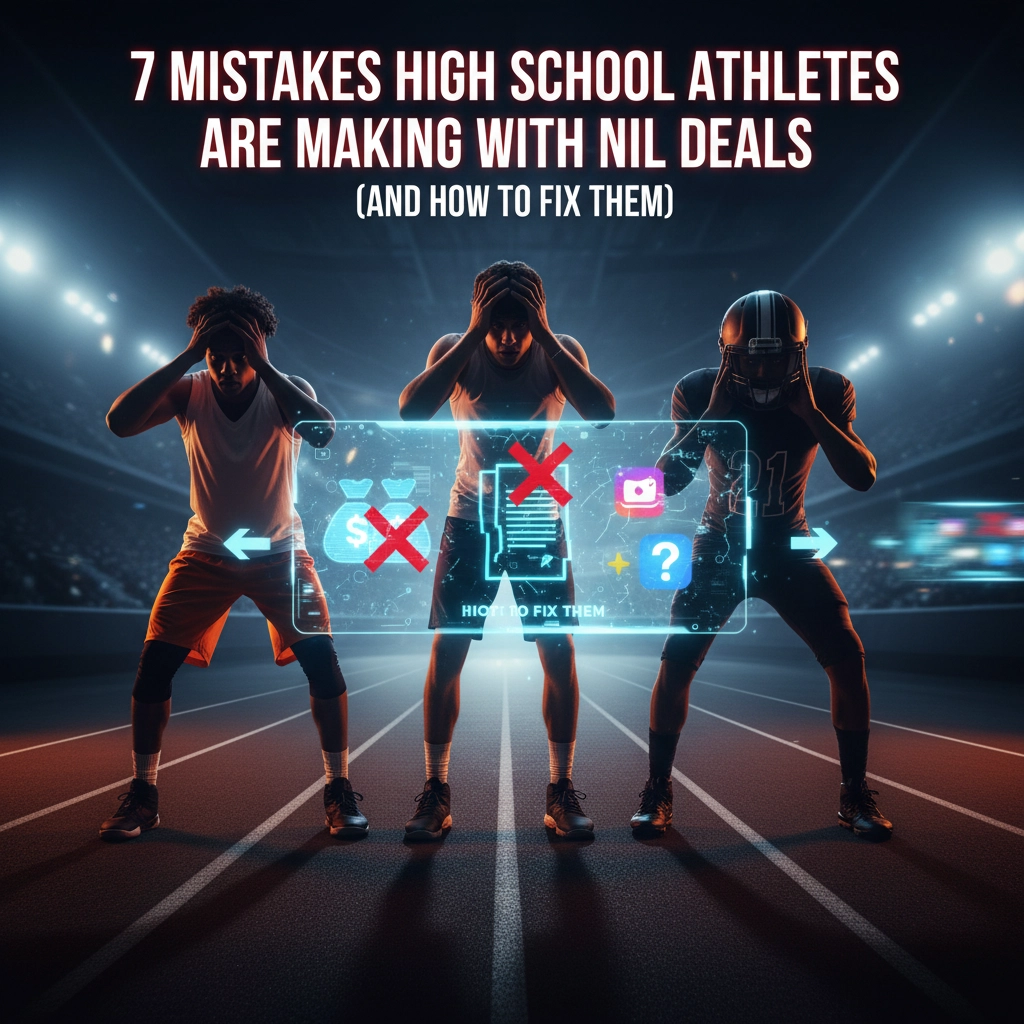
The high school NIL landscape is evolving fast, and with great opportunity comes great responsibility. While some states still prohibit high school NIL deals entirely, others have opened the floodgates for student-athletes to monetize their name, image, and likeness before they even step foot on a college campus.
But here's the thing – with all this new freedom comes a minefield of potential compliance mistakes that can derail your athletic career before it really begins. We've seen too many promising athletes make costly errors that could have been easily avoided with the right guidance.
Let's dive into the seven most common high school NIL compliance mistakes and, more importantly, how you can fix them before they become problems.
Mistake #1: Signing Contracts Without Legal Review
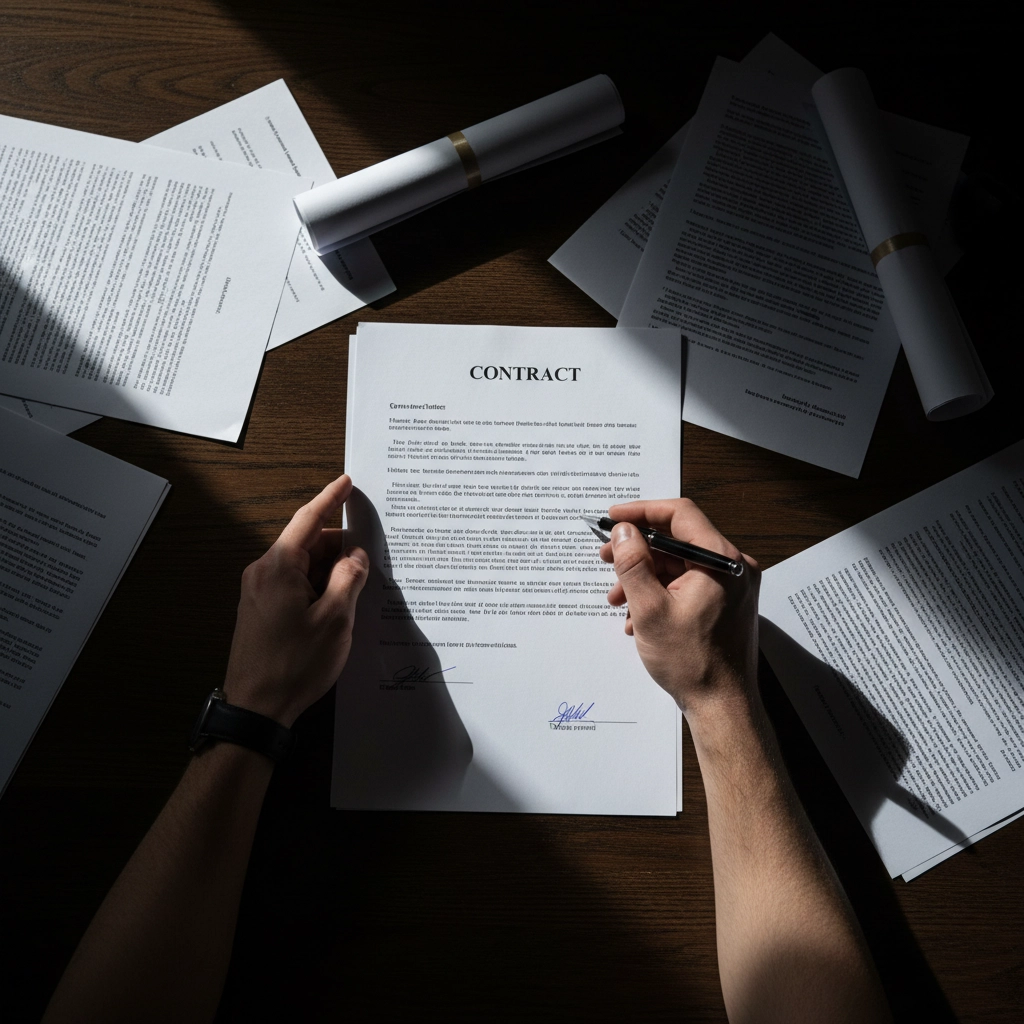
This is the big one. We get it – when a brand reaches out with what seems like a straightforward endorsement deal, the excitement can be overwhelming. But signing on the dotted line without having a qualified attorney review the contract first is like driving blindfolded.
Even professionally-written agreements often contain language that doesn't clearly define what both parties intend. For example, a compensation clause stating "The Company will compensate the athlete in an amount determined at Company's sole discretion, based on the success of promotional efforts" leaves you completely vulnerable to receiving minimal payment for significant work.
How to Fix It: Always have a qualified attorney review any contract before signing. This isn't just about protecting yourself from exploitative terms – it's about understanding exactly what you're agreeing to. Look out for excessive duration restrictions, unfair exclusivity provisions, and vague performance requirements that could lock you into an unfavorable agreement.
Mistake #2: Ignoring State and School-Specific Compliance Requirements
Here's where things get tricky. NIL regulations vary dramatically from state to state, and many high school athletes assume that if NIL is legal in their state, they're good to go. Wrong. Each state has specific rules about what's allowed, when deals can be signed, and what must be reported.
Some states require disclosure of all NIL deals to the school, while others have specific restrictions on using school facilities or intellectual property. Violating your state's NIL laws can void your entire contract, leaving you with no legal protections and potentially affecting your eligibility.
How to Fix It: Before even considering an NIL opportunity, contact your school's athletic director or compliance officer to understand your state's specific laws and your school's policies. Keep detailed records of all communications and approvals. When in doubt, ask – it's always better to overcommunicate than face eligibility issues later.
Mistake #3: Using Prohibited School Marks and Intellectual Property
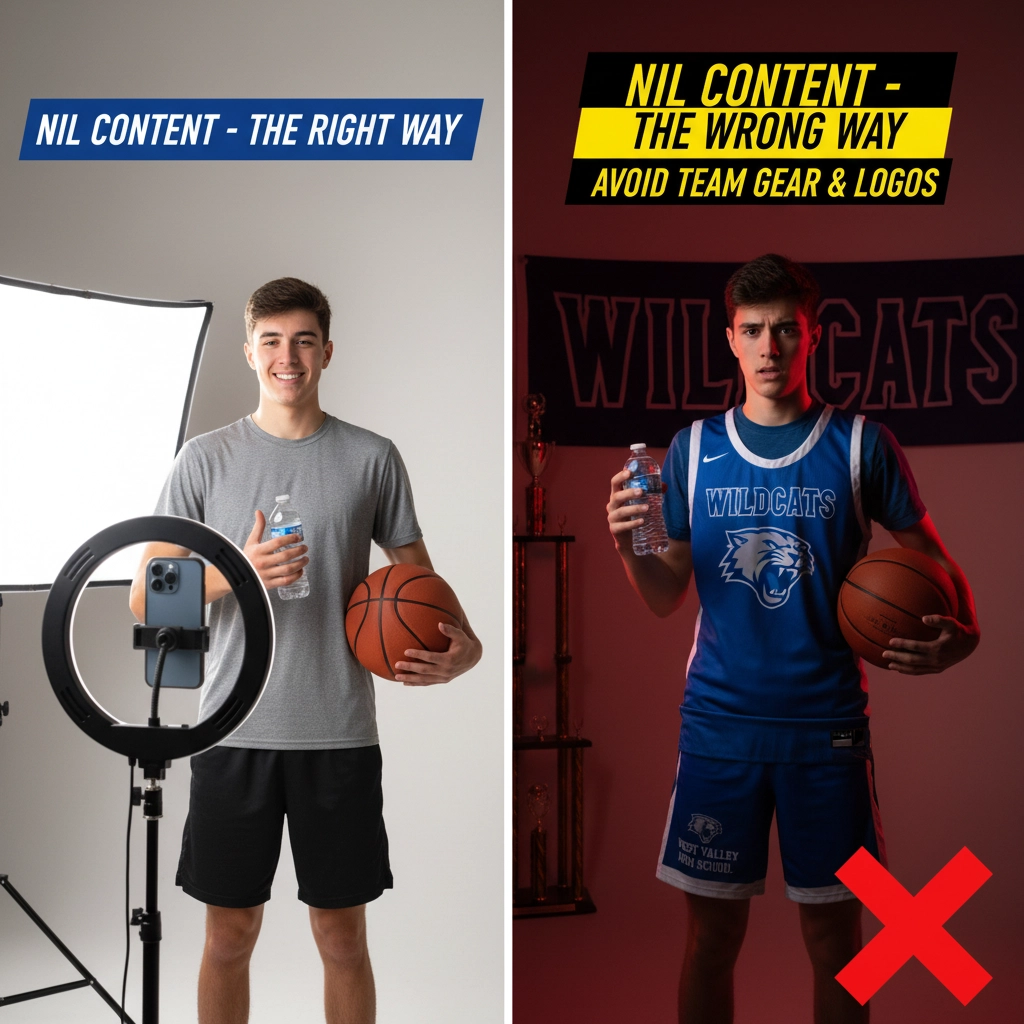
This mistake happens more often than you'd think. You land your first NIL deal, you're excited to create content, and you naturally want to show off your athletic achievements. So you post that sponsored content while wearing your team uniform or with your school's logo prominently displayed in the background.
Big mistake. Using your school's name, logo, team uniforms, or other school intellectual property in commercial posts or endorsements violates clear NCAA prohibitions and can result in eligibility issues for you and sanctions for your school.
How to Fix It: Before posting any NIL-related content, double-check that it contains absolutely no school marks, logos, uniforms, or identifiable school intellectual property. Create content in neutral locations wearing your own clothes. When in doubt, run the content by your compliance office before posting.
Mistake #4: Accepting Recruiting Inducements Disguised as NIL Deals
This one's particularly sneaky. Some NIL offers are actually improper recruiting inducements – deals offered by representatives connected to specific schools, contingent on attending those schools, or otherwise tied to recruitment decisions. These violate NCAA rules and can result in your ineligibility.
These fake NIL deals often come with red flags: they're offered by boosters or representatives of specific colleges, they're contingent on your enrollment at a particular school, or they seem unusually generous for your current profile and following.
How to Fix It: Be cautious of any NIL offers that seem suspiciously connected to recruitment or specific schools. If a deal is offered by someone connected to a school you're considering attending, or if it's contingent on your enrollment there, report it to your compliance office rather than accepting it. Legitimate NIL deals are independent of recruitment decisions.
Mistake #5: Treating NIL Like Pocket Money Instead of Business Income
This mistake hits athletes hard at tax time. NIL payments often don't have taxes automatically withheld, and many athletes underestimate their tax liability. Without proper financial planning, you can face unexpected tax bills you're unable to pay.
Beyond taxes, many young athletes don't treat NIL earnings as business income, missing opportunities to deduct legitimate business expenses and failing to set aside money for quarterly tax payments.
How to Fix It: From your first NIL payment, treat this as business income. Consult with a tax professional who understands athlete income. Set aside 25-30% of NIL earnings for federal and state taxes. Keep detailed records of all business expenses related to your NIL activities. If you receive significant NIL income, work with an accountant to make estimated quarterly tax payments.

Mistake #6: Making Verbal Agreements Without Documentation
"Don't worry, we'll work out the details later." Famous last words that have led to countless disputes between athletes and brands. Verbal agreements or handshake deals create problems when disagreements arise about what was actually promised.
Maybe you thought the deal was for three posts, but they expected six. Maybe you understood the timeline differently. Without written documentation, you have no legal recourse when things go wrong.
How to Fix It: Insist on written documentation of all terms before starting any work. This includes specific deliverables, deadlines, compensation amounts, usage rights, and termination clauses. Don't settle for verbal agreements or promises to "send the contract later." Get everything in writing with signatures from all parties before creating any content.
Mistake #7: Neglecting Academic and Athletic Responsibilities
Success in NIL can sometimes create a false sense of priorities. When the money starts flowing, it's tempting to prioritize brand partnerships over academics and athletics. But when NIL activities interfere with academic performance, practice attendance, or team obligations, you risk not just NIL opportunities but also playing time, scholarships, and your athletic future.
Remember, your primary job as a student-athlete is being a student and an athlete. NIL should enhance your experience, not detract from the foundational elements that make you valuable to brands in the first place.
How to Fix It: Set clear boundaries on your NIL activities. Create a schedule that prioritizes academics and athletics first. Be realistic about how much time you can dedicate to NIL content creation and brand activities. Communicate with coaches and teachers if NIL commitments might affect your availability, and always choose your athletic and academic responsibilities when conflicts arise.

Building Your Compliance Foundation
Avoiding these mistakes isn't just about following rules – it's about building a sustainable foundation for long-term success. The athletes who thrive in the NIL space are those who approach it professionally from day one.
This means involving the right experts early, maintaining open communication with compliance officers, and treating every opportunity as both a business decision and a reflection of your personal brand. The landscape will continue to evolve, but athletes who prioritize compliance and professionalism will always be positioned for success.
Your NIL journey should enhance your athletic career, not jeopardize it. By avoiding these seven common mistakes, you'll be well-positioned to maximize opportunities while protecting your eligibility and future prospects.
Ready to navigate the NIL landscape with confidence? Visit our NIL resource center for more guidance on building your brand the right way.