Your athletic career has an expiration date. That's not meant to scare you, but it's a reality every athlete faces. The good news? Your personal brand doesn't have to retire when you do. In fact, the most successful athletes understand that their playing days are just the foundation for building something much bigger and more profitable.
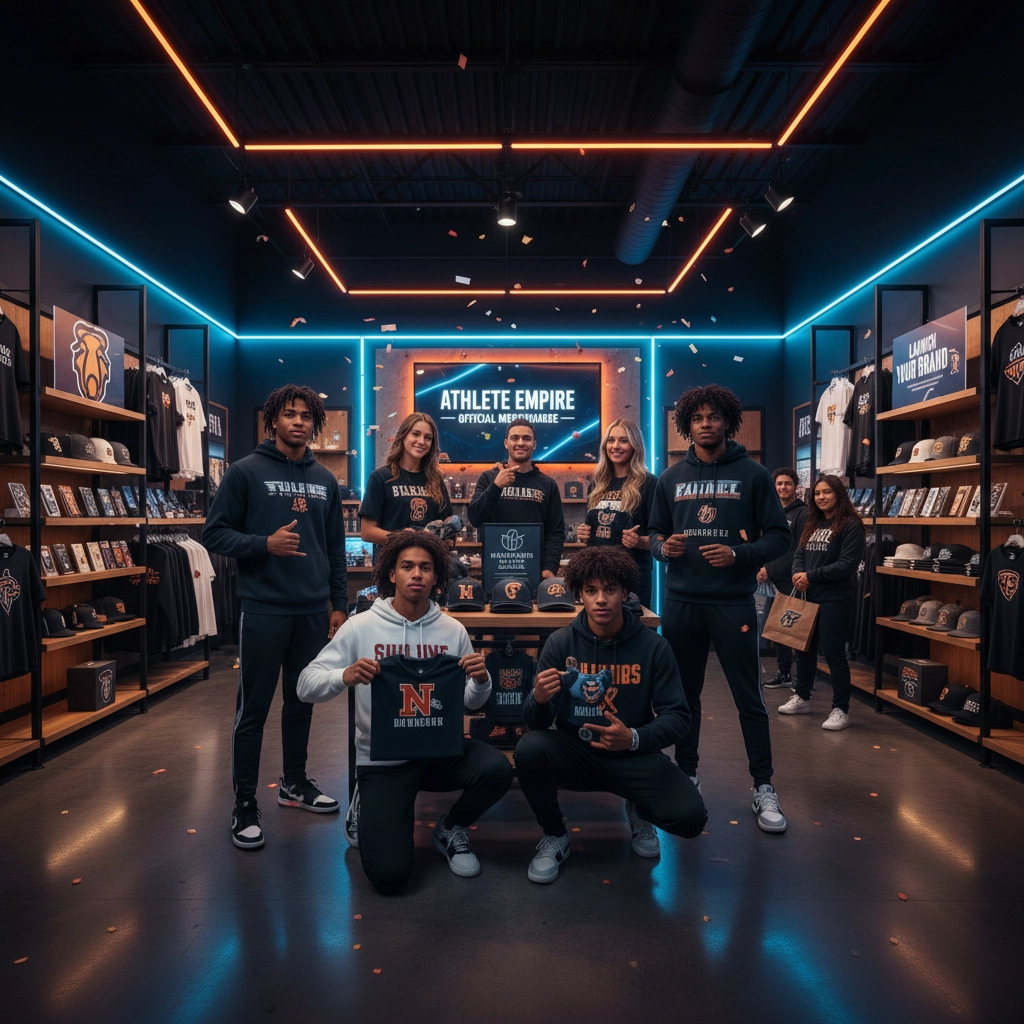
Too many talented athletes treat their personal brand like a side hustle instead of the empire-building opportunity it really is. They slap their name on a few t-shirts, post some sponsored content, and call it a day. Meanwhile, the smart ones are quietly building merchandise empires that will generate income for decades after they hang up their cleats.
Start With What Actually Matters to You
Here's the truth nobody talks about: authenticity isn't just a buzzword, it's your competitive advantage. The athletes who build lasting brands don't start by asking "what do fans want to buy?" They start by asking "what am I genuinely passionate about?"
Think about three things that get you so fired up you could talk about them for hours. Maybe it's mental health advocacy, perfecting training techniques, or helping young athletes navigate recruitment. These passions become the fuel that sets you apart from every other athlete trying to sell generic merchandise.
Your core values should flow naturally from your personal experience and the principles you learned growing up. Consider what contributions you want to make to the world and areas where you have special knowledge. This isn't about creating a fake persona, it's about amplifying the authentic parts of yourself that resonate with others.

Build Your Community Before You Build Your Products
If your personal brand truly resonates with people, it creates something more valuable than customers: it creates a community of like-minded individuals who share your values and interests. This community becomes the foundation for everything you'll build later.
Start thinking strategically about the influencers, media outlets, and brands you want to associate with. How do they align with your brand values? Building these relationships early creates opportunities for collaboration, cross-promotion, and partnership deals that can exponentially grow your reach.
Look for what marketers call "white space" – gaps in the market where competition is relatively light. This could be an opportunity to create entirely new markets rather than fighting for scraps in overcrowded ones. Maybe there's a specific training method you've developed, a mental approach that's helped you succeed, or a community need that isn't being met.
Think Beyond Your Playing Days
Research shows that athletes who establish strong personal brands during their active years experience 40% smoother transitions into second careers. But here's what most people miss: this isn't just about having something to fall back on, it's about creating transferable equity in your name and reputation.
Your personal brand should align with authentic post-career interests. If you're passionate about health and fitness, position yourself as a wellness advocate during your playing days. This creates natural pathways into fitness businesses, nutrition companies, or health-focused media roles after retirement.
The key is building expertise in specific domains that extend beyond your sport. Establish networks of connections beyond coaches and teammates. Develop skillsets that translate to business, media, or entrepreneurial ventures. Your athletic achievements open doors, but your brand keeps them open.
Solve the Scalability Problem
Here's the biggest challenge with personal brands: they're fundamentally based on you as an individual, which makes them difficult to scale. You can only be in one place at one time, and there are only so many hours in your day.
The solution is building systems and teams that can operate effectively while maintaining your brand's authenticity. You need to train sales representatives, customer service teams, and various other people to handle the work that keeps your business running. This allows you to focus on high-level strategy and brand development while others manage day-to-day operations.
Start documenting your processes early. Create standard operating procedures for how your brand communicates, what values guide your decisions, and how your products or services should be delivered. This documentation becomes the blueprint for scaling your operation beyond your personal involvement.
Create Real Enterprise Value
While personal brands can be challenging to sell because they're attached to you individually, building an actual company that operates based on your personal brand creates enterprise value that can be sold or passed down. This transforms your personal brand from just a marketing tool into a legitimate business asset.
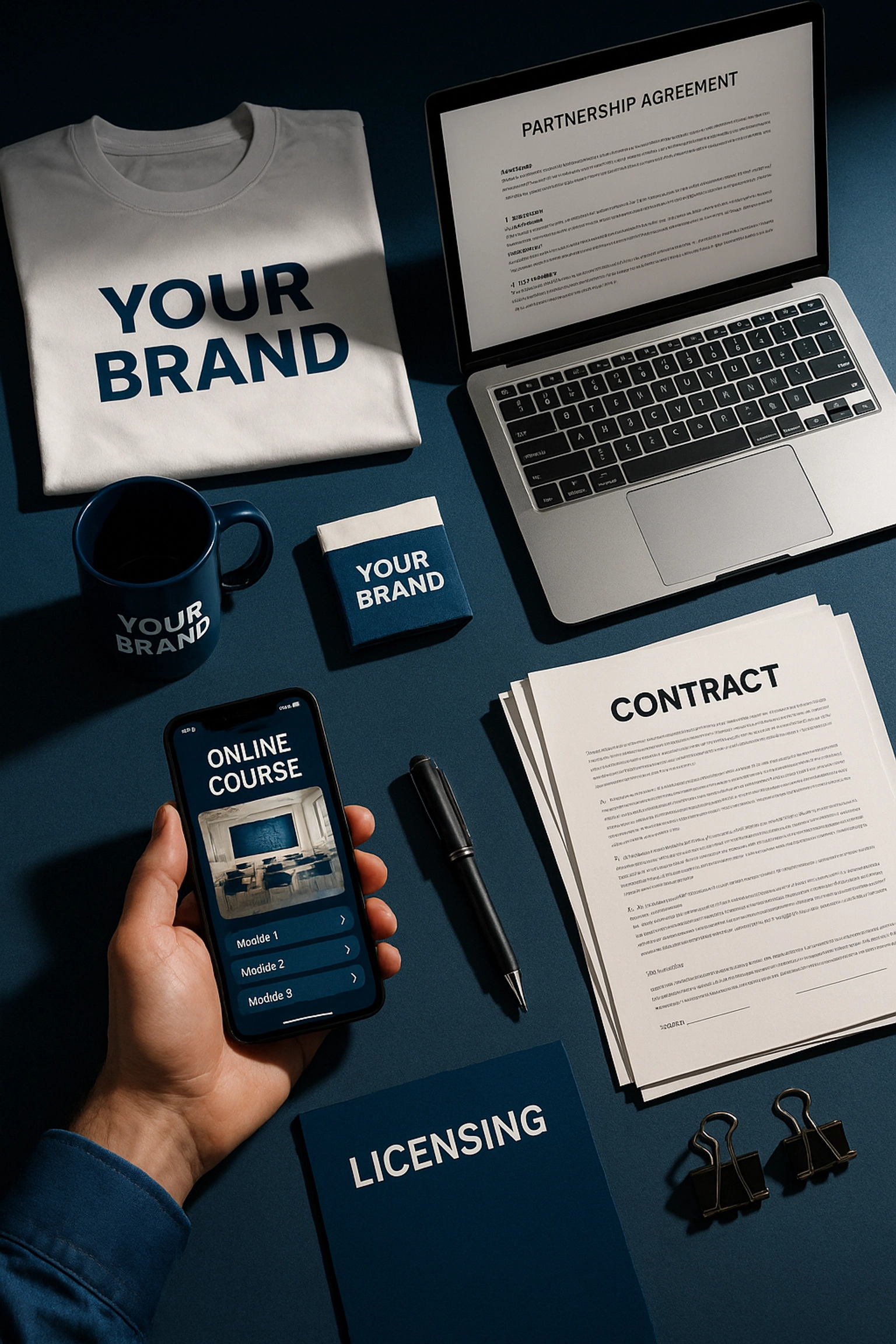
The key is developing business models that can function independently of your constant personal involvement. This might involve creating product lines, licensing deals, educational programs, or service businesses that carry your brand but don't require your personal attention for every transaction.

Diversify Your Revenue Streams
Your merchandise empire should encompass multiple revenue streams that align with your brand values and expertise. Don't just think about physical products. Consider:
Coaching and consulting services – These represent "done with you" rather than "done for you" approaches, allowing you to scale your expertise while maintaining personal involvement in the value creation process.
Digital products and educational content – Online courses, training programs, and digital resources can generate passive income and reach global audiences.
Licensing opportunities – Allow other companies to use your name, image, and expertise in exchange for royalties.
Partnership deals – Collaborate with brands that align with your values for long-term revenue sharing arrangements.
The goal is creating a portfolio of revenue streams that can continue generating value even when you're not actively competing. Each stream should reinforce your brand values and serve your community's needs.
Leverage Technology and Professional Support
Building a merchandise empire requires more than just good intentions and athletic talent. You need professional support to handle the business, legal, and marketing aspects that allow your brand to thrive.
This is where working with experienced professionals becomes crucial. Whether it's understanding NIL regulations, structuring business deals, or developing comprehensive marketing strategies, having the right team can accelerate your brand-building efforts significantly.
Keep Your Reputation Bulletproof
Your behaviors both on and off the field directly impact your brand's long-term viability. Consistently demonstrating values that extend beyond athletic prowess – such as community involvement, business acumen, or educational pursuits – creates a personal brand that naturally evolves into post-career opportunities.
Remember, social media never forgets, and your brand is always being evaluated by potential partners, customers, and collaborators. Make decisions that you'd be comfortable defending years from now when your merchandise empire is generating serious revenue.
Start Building Today
The most successful personal brand empires are built on authentic foundations, developed with long-term vision, and structured to create value that transcends individual athletic achievement. They're not built overnight, which means the best time to start was yesterday, and the second-best time is right now.
Your athletic career gives you a platform that most entrepreneurs would kill for. Use it wisely. Build something that lasts. Create a merchandise empire that continues generating value long after your playing days are over.
The athletes who understand this principle don't just retire comfortably – they retire wealthy, fulfilled, and with businesses that can support them and their families for generations. The question isn't whether you should build a merchandise empire around your personal brand. The question is whether you'll start building it today or keep wasting the opportunity until it's too late.