The NIL landscape has completely transformed how college athletes think about their earning potential. While headlines focus on million-dollar deals for star quarterbacks, the real story is happening with everyday athletes who are systematically building sustainable income streams that reach $10K+ per month.
After working with hundreds of athletes across different sports and divisions, we've identified a proven framework that separates the high earners from those still struggling to land their first deal. This isn't about going viral or hoping for that one big sponsorship – it's about treating your NIL like a business and building multiple revenue streams that compound over time.
The Foundation: Your Personal Brand Infrastructure
Before diving into revenue streams, you need the foundation that makes everything else possible. Think of this as building your business infrastructure.
Content Creation System: The athletes hitting $10K+ monthly all have one thing in common – they treat content creation like a part-time job. This means posting 3-5 times per week across platforms, maintaining consistent messaging, and always thinking about how to provide value to their audience.
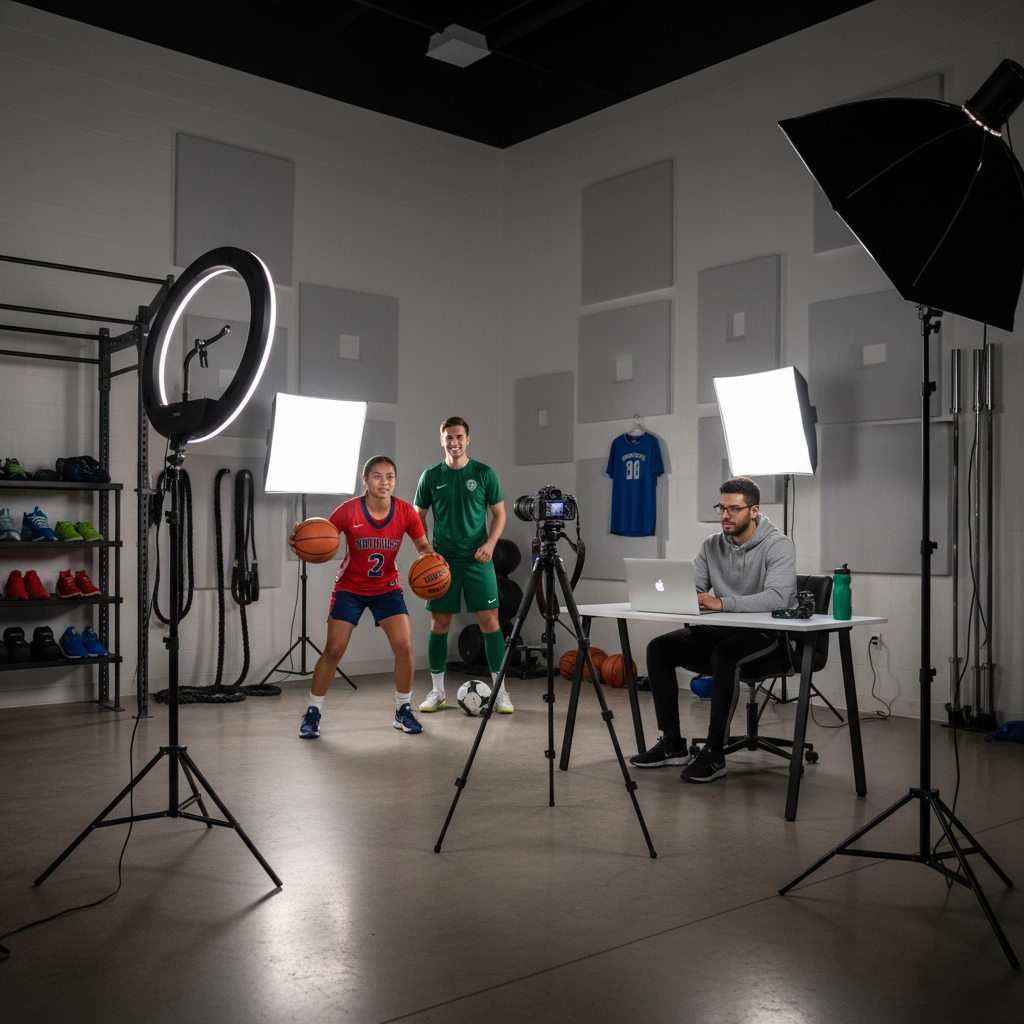
Professional Assets: High-earning athletes invest in professional photos, video content, and branded materials. You can't charge premium rates if your content looks amateur. Budget $500-1,000 initially for professional assets that will pay dividends throughout your college career.
Brand Positioning: The most successful athletes don't try to appeal to everyone. They identify their niche – whether it's fitness motivation, academic excellence, community service, or sport-specific expertise – and become known for that specific thing.
The Four-Pillar Revenue Framework
Pillar 1: Direct Brand Partnerships ($2,000-5,000/month)
This is where most athletes start, but the key is moving beyond one-off posts to ongoing partnerships. Local businesses are goldmines here – restaurants, fitness centers, clothing stores, and service providers all need authentic local influencers.
The strategy that works: Instead of waiting for brands to find you, create partnership packages. Offer 3-month, 6-month, and annual partnerships that include social posts, event appearances, and cross-promotion. A typical package might include 8 social posts, 2 story mentions weekly, and one in-person event per month for $1,500-3,000 monthly.
Pillar 2: Content Monetization ($1,500-3,000/month)
Your content is an asset that can generate revenue in multiple ways. Successful athletes diversify their content monetization across several streams:
Social Media Revenue: Once you hit certain follower thresholds, platforms like Instagram, TikTok, and YouTube start paying directly for content. While the per-view rates are low, they add up quickly with consistent posting.
Subscription Content: Platforms like Patreon or even exclusive Instagram/Snapchat content can generate $500-2,000 monthly from dedicated fans willing to pay for behind-the-scenes access, training tips, or personal insights.
Digital Products: Many athletes earning $10K+ monthly sell digital training guides, meal plans, or educational content related to their sport. These typically range from $29-99 and can generate significant passive income.
Pillar 3: Appearance and Event Revenue ($2,000-4,000/month)
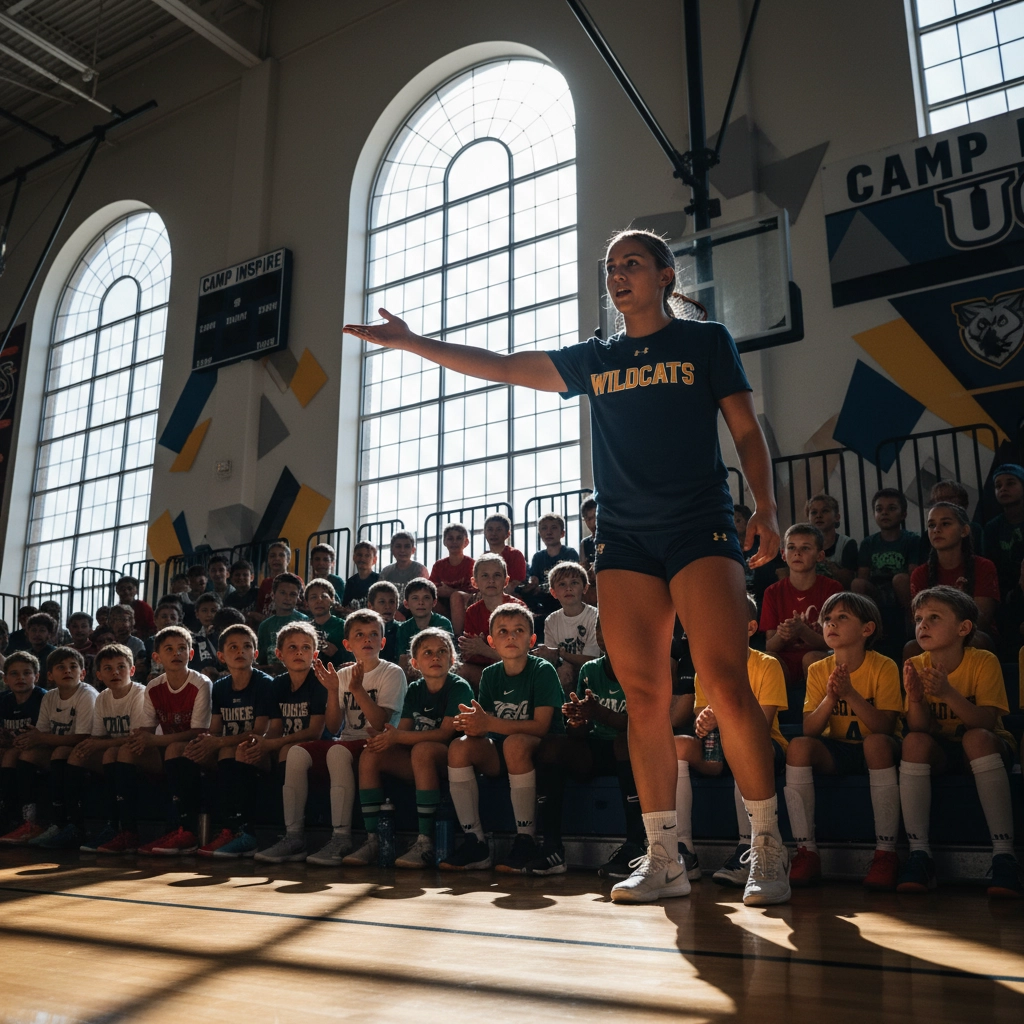
This is often the highest per-hour revenue stream available to athletes. Speaking at youth sports events, camps, corporate events, or community gatherings typically pays $500-2,000 per appearance.
The key is systematically building your speaking portfolio. Start by offering free appearances to build testimonials and video content, then gradually increase your rates. Many athletes earning $10K+ monthly book 3-5 paid appearances per month during peak seasons.
Pillar 4: Affiliate and Commission-Based Income ($1,000-2,500/month)
This pillar often gets overlooked but can provide the most scalable income. Athletes promote products they genuinely use and earn commissions on sales generated through their unique links or codes.
High-performing categories include fitness supplements, athletic wear, training equipment, and even apps or services your audience uses. The athletes earning serious affiliate income focus on products with 20%+ commission rates and longer cookie periods.
The Implementation Timeline
Month 1-2: Foundation Building
- Professional photo/video shoot
- Content calendar creation
- Brand positioning development
- Initial outreach to 20 local businesses
Month 3-4: First Revenue Streams
- 2-3 brand partnerships secured
- Affiliate programs joined
- First paid appearance booked
- Content monetization activated
Month 5-6: Scaling and Optimization
- Increase rates based on performance data
- Add subscription or product offerings
- Expand to new markets and partnerships
- Develop signature programs or services
Month 7-12: Systematic Growth
- Focus on annual partnerships
- Launch higher-value offerings
- Build waiting lists for appearances
- Create scalable digital products

Revenue Diversification Strategy
The athletes consistently hitting $10K+ monthly never rely on a single income source. Here's how successful athletes typically break down their revenue:
- Brand Partnerships: 40-50% of total income
- Appearances/Events: 25-30% of total income
- Content/Digital Products: 15-20% of total income
- Affiliate/Commission: 10-15% of total income
This diversification protects against seasonal fluctuations and ensures steady cash flow even if one revenue stream temporarily decreases.
Common Mistakes That Kill Revenue Growth
Underpricing Your Value: New athletes often accept whatever they're offered instead of understanding their market value. Research what similar athletes in your market charge and price accordingly.
Inconsistent Content: The algorithms reward consistency. Athletes who post sporadically struggle to build the audience size needed for significant revenue.
Ignoring Local Markets: Everyone chases national brands, but local businesses often pay better rates and provide more consistent long-term partnerships.
Not Tracking Performance: You can't optimize what you don't measure. Successful athletes track engagement rates, conversion rates, and revenue per post to continuously improve their offerings.
Tax and Legal Considerations
Remember that NIL income is taxable, and you'll need to file returns if you earn over $400 annually. Many high-earning athletes work with accountants and set aside 25-30% of earnings for taxes. Also, ensure all deals comply with your school's NIL policies and state regulations.
The Reality Check
While $10K+ monthly is achievable, it requires treating your NIL like a serious business venture. The athletes reaching these income levels typically spend 15-20 hours per week on NIL-related activities – content creation, partnership management, appearance fulfillment, and business development.
This isn't passive income that happens overnight. It's the result of consistent effort, professional execution, and strategic thinking over 6-12 months.
Your Next Steps
If you're serious about building a $10K+ monthly NIL income stream, start with the foundation. Invest in professional assets, develop your content system, and begin reaching out to local businesses this week.
Need help implementing this framework or want personalized guidance for your specific situation? Our team at Sports Media has helped hundreds of athletes build sustainable NIL income streams.
Contact Dan Kost, CEO
Email: info@MySportsMedia.com
Website: mysportsmedia.com/nil
Ready to take your NIL to the next level? Let's build your revenue framework together.
Share this post:
#HighPerformance #NIL #CollegeAthletes #AthleteIncome #SportsMarketing