Athletic directors across the country are navigating one of the most complex compliance landscapes in collegiate sports history. With NIL (Name, Image, and Likeness) deals now a permanent fixture in college athletics, ADs are facing unprecedented challenges in keeping their programs compliant while remaining competitive.
The stakes couldn't be higher. NCAA violations can lead to sanctions, recruiting restrictions, and damaged reputations that take years to rebuild. Yet many athletic directors are making critical mistakes that put their entire programs at risk.
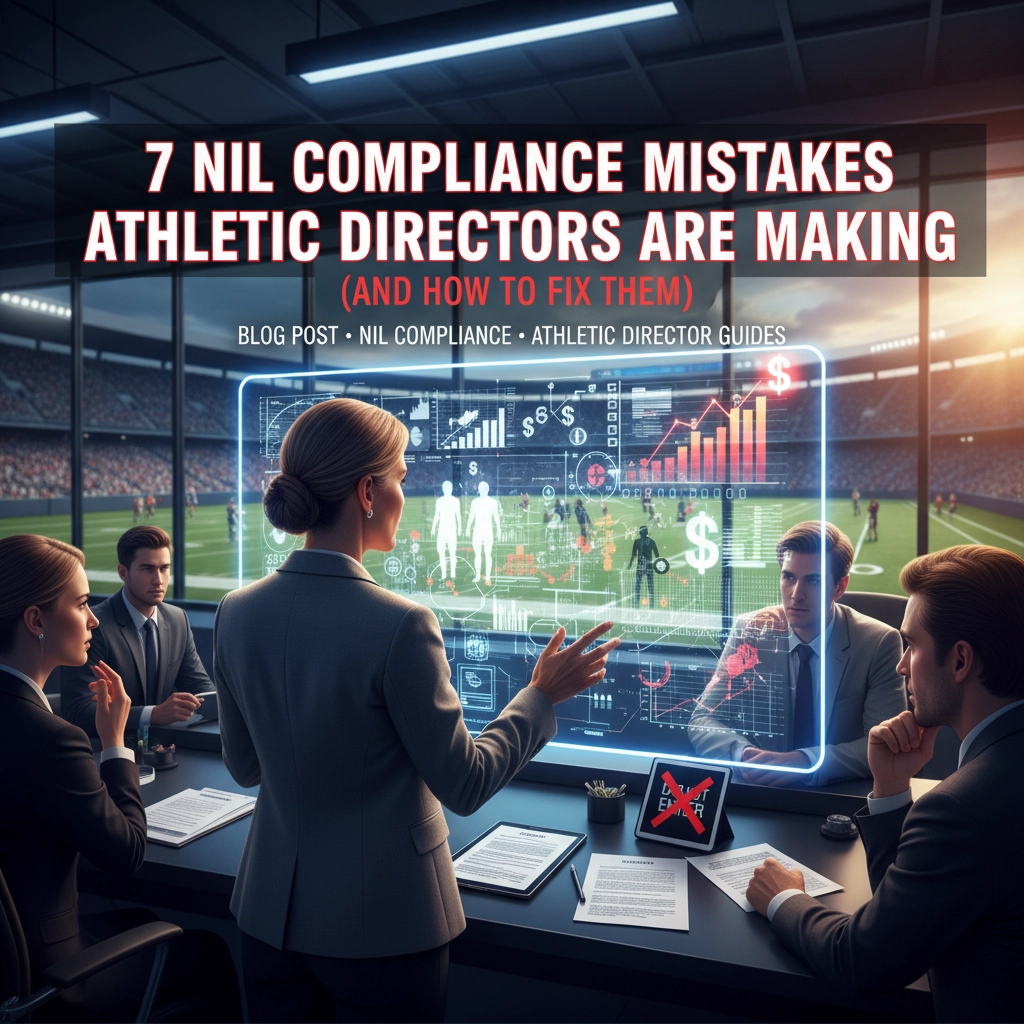
Here are the seven most common NIL compliance mistakes we're seeing athletic directors make, and most importantly, how to fix them before they become costly problems.
Mistake #1: Failing to Educate Athletes About NIL Compliance Requirements
The Problem: Most athletes don't even know that NIL Go exists as a compliance and reporting tool. Athletic directors assume their student-athletes understand the rules, but the reality is far different. Athletes are signing deals without understanding disclosure requirements, tax implications, or institutional guidelines.
The Fix: Implement mandatory NIL education sessions for all student-athletes at the beginning of each academic year. Create simple, digestible materials that explain:
- Required reporting procedures
- Tax responsibilities for NIL income
- Prohibited deal structures
- Timeline requirements for deal disclosure
Make this education ongoing, not just a one-time presentation. Athletes need regular reminders as the landscape continues to evolve.

Mistake #2: Lack of Internal Reporting Systems
The Problem: Many athletic departments are flying blind when it comes to tracking NIL deals. Without proper internal systems, ADs can't verify that deal submissions are complete, accurate, or compliant with institutional policies.
The Fix: Develop robust internal reporting systems immediately. Starting July 1, 2025, compliance requirements are becoming even more stringent. Your system should:
- Track all reported NIL deals in real-time
- Flag potentially problematic arrangements
- Integrate with NIL Go and other required platforms
- Provide regular compliance reports for leadership review
Don't wait for a violation to realize you need better tracking systems.
Mistake #3: Assuming Massive Collective Funding Is Required to Compete
The Problem: Too many athletic directors believe their programs can't compete for top recruits without securing massive collective funding. This pressure leads to overlooking compliance requirements or enabling questionable deals that appear to circumvent NCAA rules.
The Fix: Focus on building sustainable, compliant NIL ecosystems rather than chasing the biggest dollar amounts. Work with local businesses to create legitimate opportunities for your athletes. Remember, authenticity and long-term relationships often provide more value than one-time cash payments.
Quality over quantity should be your mantra when it comes to NIL partnerships.

Mistake #4: Not Staying Ahead of Policy Changes
The Problem: The NIL landscape changes rapidly. Federal legislation, state law modifications, and NCAA policy updates can shift the rules overnight. Athletic directors who aren't staying informed are setting their programs up for inadvertent violations.
The Fix: Establish a systematic approach to staying current:
- Subscribe to compliance newsletters from trusted sources
- Attend regular NIL compliance webinars
- Build relationships with other ADs facing similar challenges
- Work closely with your institution's legal counsel
Create a monthly review process to assess how policy changes affect your program's current NIL activities.
Mistake #5: Inadequate Communication Between Departments
The Problem: NIL compliance isn't just an athletic department issue. Marketing, admissions, alumni relations, and academic departments all play roles in the NIL ecosystem. When these departments aren't communicating effectively, gaps in compliance oversight emerge.
The Fix: Establish cross-departmental NIL committees that meet regularly. Include representatives from:
- Athletic compliance
- Marketing and communications
- Legal counsel
- Student services
- Alumni relations
This collaborative approach ensures everyone understands their role in maintaining compliance while supporting student-athlete success.

Mistake #6: Overlooking State-Specific Regulations
The Problem: Athletic directors often focus exclusively on NCAA rules while overlooking state-specific NIL regulations. Each state has unique requirements, timelines, and restrictions that must be followed alongside federal and NCAA guidelines.
The Fix: Conduct a comprehensive audit of your state's NIL laws. Create state-specific compliance checklists that address:
- Disclosure timelines unique to your state
- Prohibited activities or entities
- Required state filings or notifications
- Academic eligibility requirements
If you recruit athletes from multiple states, understand how different state laws might affect your student-athletes.
Mistake #7: Reactive Instead of Proactive Compliance Management
The Problem: Many athletic directors are managing NIL compliance reactively, addressing issues only after they arise. This approach puts programs at constant risk of violations and creates unnecessary stress for everyone involved.
The Fix: Develop proactive compliance strategies:
- Regular audits of existing NIL deals
- Preemptive education for new student-athletes
- Clear escalation procedures for questionable situations
- Regular review meetings with compliance staff
Think of NIL compliance as ongoing risk management rather than crisis response.

The Path Forward
NIL compliance doesn't have to be overwhelming. The athletic directors who are succeeding in this new landscape are those who've embraced systematic, proactive approaches to managing these challenges.
Remember, compliance isn't just about avoiding violations. It's about creating an environment where your student-athletes can maximize their opportunities while protecting the integrity of your athletic programs.
The NIL landscape will continue evolving, but the fundamentals of good compliance management remain constant: education, systems, communication, and proactive oversight.
What Successful Athletic Directors Do Differently
The most successful athletic directors in the NIL era share common characteristics:
- They invest in compliance infrastructure early
- They maintain open communication with all stakeholders
- They view NIL as an opportunity, not just a challenge
- They build strong relationships with compliance experts
If you're ready to transform your NIL compliance approach and protect your program while maximizing opportunities for your student-athletes, Name. Image, likeness. is here to help.

Get Expert NIL Compliance Support
Don't navigate NIL compliance alone. Our team at Sports Media specializes in helping athletic departments build robust, sustainable compliance programs that work.
Ready to strengthen your NIL compliance program?
Contact Dan Kost, CEO at info@MySportsMedia.com or visit mysportsmedia.com/nil to learn how we can help your athletic department thrive in the NIL era.
Share this article: Help other athletic directors avoid these costly mistakes by sharing on Facebook, Instagram, LinkedIn, and X with #HighPerformance
The NIL landscape is complex, but compliance doesn't have to be. Let's build a stronger future for college athletics together.