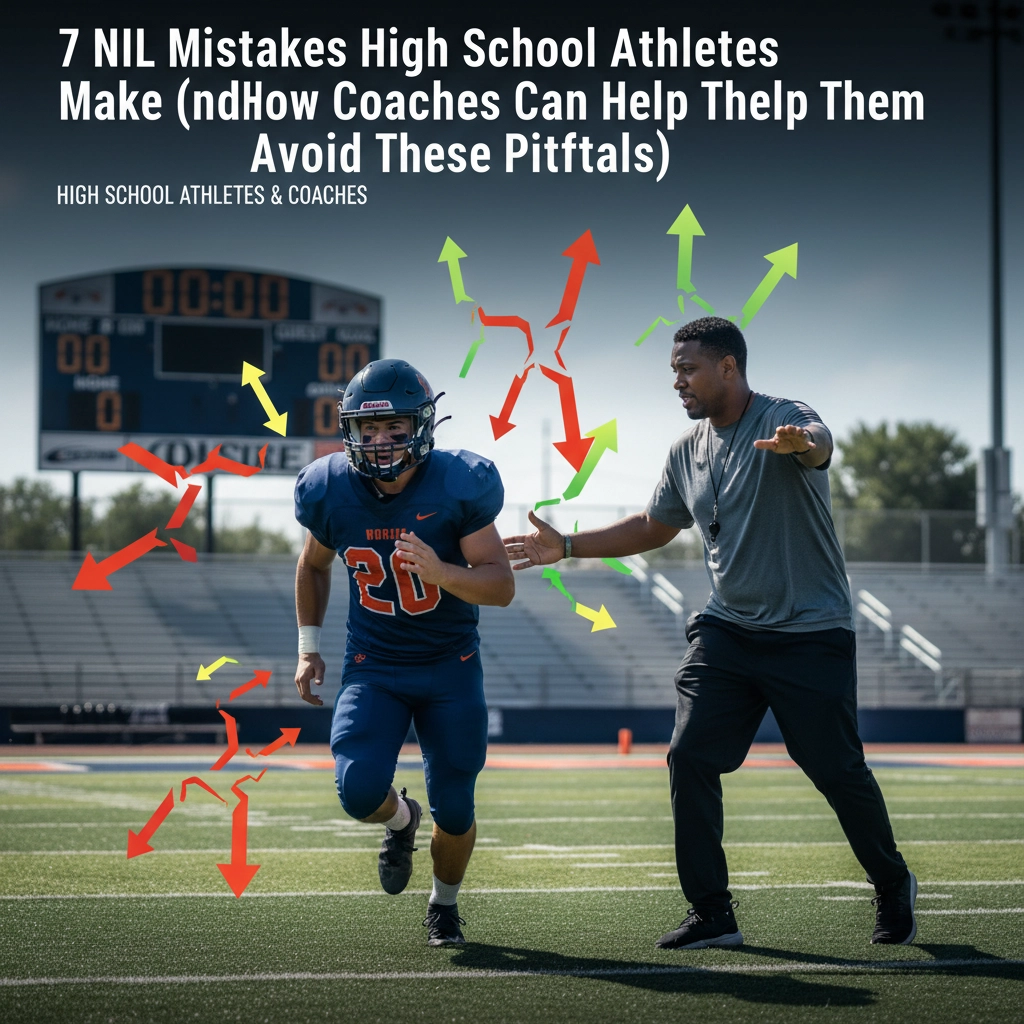
The NIL game just got real for high school athletes. While college players have been cashing in on name, image, and likeness deals for years now, high schoolers are stepping into this wild west of sports marketing with all the enthusiasm of teenagers and none of the experience of seasoned pros.
Here's the thing though – the stakes are actually higher for high school athletes. Mess up a NIL deal in college? You might lose some money or face compliance issues. Mess up in high school? You could lose your eligibility before you even get to college. That's where coaches come in as the ultimate safety net.
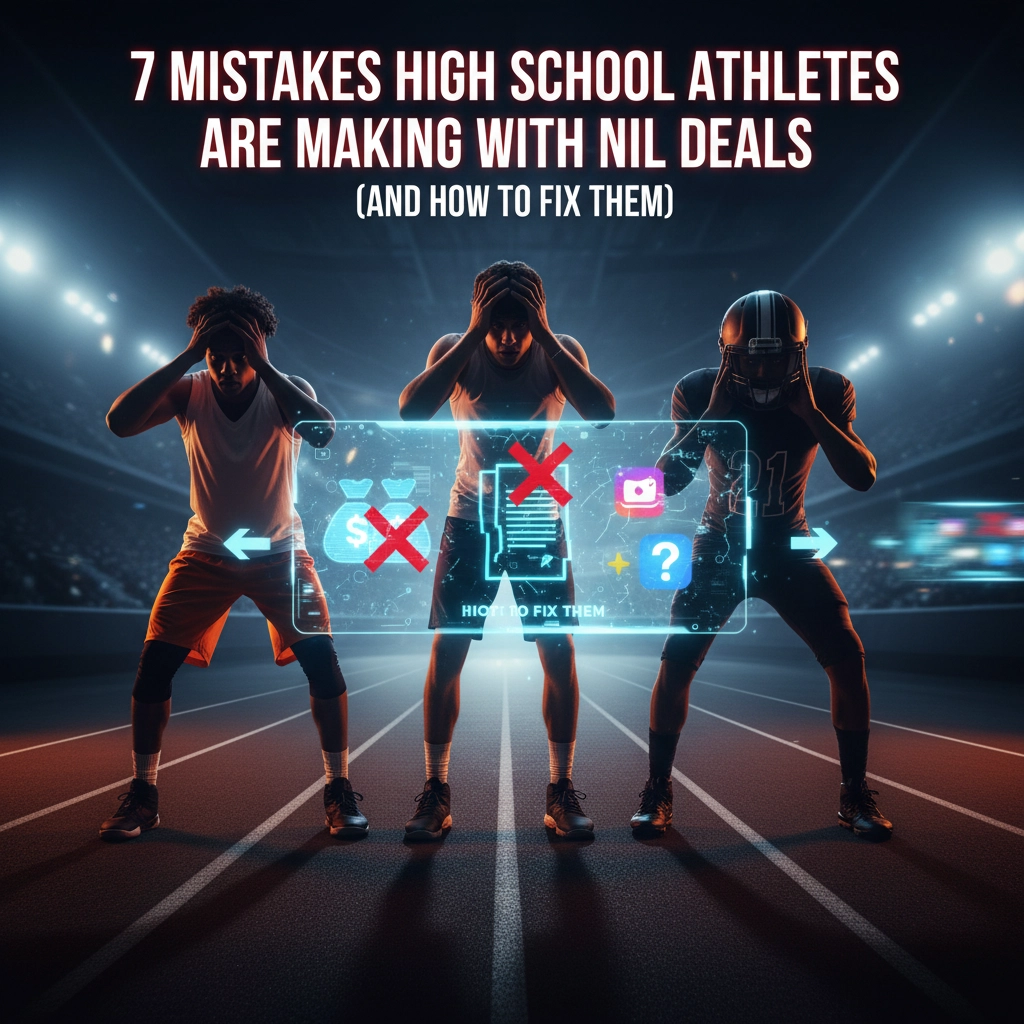
Let's dive into the seven biggest mistakes high school athletes are making right now and how coaches can swoop in to save the day.
Mistake #1: Signing Contracts Like They're Autographs
Picture this: A 17-year-old quarterback gets approached by a local pizza shop wanting to use his face on their delivery boxes. The owner slides a contract across the table, the kid sees dollar signs, and boom – signature on the dotted line. No questions asked.
This is happening everywhere, and it's scary. These contracts often contain language like "compensation will be determined at the company's sole discretion based on promotional success." Translation? You might work for weeks and get paid in leftover pepperoni slices.
Coach's Game Plan: Build relationships with sports attorneys who can review contracts quickly and affordably. Create a simple rule – no signature without legal eyes on it first. Yes, it might slow things down, but better slow than sorry. Set up partnerships with local legal aid organizations or law schools that might offer pro bono services for student athletes.

Mistake #2: Playing Compliance Roulette
The regulatory landscape for high school NIL is messier than a locker room after homecoming. Some states give the green light, others slam the door shut so hard it echoes. Athletes are jumping into deals without checking if their state even allows high school NIL activities.
Even worse, they're not considering how these deals might affect their future college eligibility. What seems like easy money today could cost them a scholarship tomorrow.
Coach's Game Plan: Become your team's compliance guru. Know your state's rules inside and out, and make sure every athlete and parent understands them too. Create a simple compliance checklist that athletes must complete before pursuing any NIL opportunity. Schedule regular check-ins throughout the season to make sure everyone stays on track.
Mistake #3: Treating NIL Money Like Found Cash
High school athletes are getting their first taste of real money, and they're spending it like there's no tomorrow. New cleats, fancy dinners, latest gaming systems – the money disappears faster than their stamina in the fourth quarter.
But here's the kicker – they're not setting aside anything for taxes. Come April, they're getting hit with tax bills they never saw coming, often owing money they've already spent three times over.
Coach's Game Plan: Partner with financial literacy programs to teach basic money management. Help athletes understand that 25-30% of their NIL income should be earmarked for taxes immediately. Connect families with accountants who understand athlete taxation. Make financial responsibility as much a part of your program as physical conditioning.

Mistake #4: Chasing Quick Cash Over Long-Term Brand
A local energy drink company offers $500 for a single Instagram post. Another company wants to pay $200 for wearing their gear to three games. Athletes see the immediate payoff and jump on these deals without thinking about their long-term brand.
The problem? These quick-hit deals often don't align with their values or future goals. A health-conscious athlete promoting energy drinks loaded with artificial ingredients isn't building a sustainable brand – they're just cashing quick checks.
Coach's Game Plan: Help athletes develop their personal brand before they start making deals. Run workshops on identifying core values and target audiences. Encourage them to think like CEOs of their own personal brand companies. Quality over quantity should be your mantra, and theirs too.
Mistake #5: Handing Over the Keys to Their Identity
Young athletes are signing contracts that give companies way too much control over their name, image, and likeness. They're agreeing to exclusive deals that prevent them from working with other brands, or giving companies unlimited rights to use their likeness however they want.
One high school basketball player signed a deal that let a clothing company use his image in any way they wanted for two full years. When they used his photo in a controversial political advertisement, he had zero recourse.
Coach's Game Plan: Educate athletes about maintaining control over their brand. Teach them to negotiate for approval rights over how their image is used. Help them understand the difference between exclusive and non-exclusive deals, and when each makes sense. No athlete should ever sign away complete control of their identity.

Mistake #6: Flying Blind Without Basic NIL Knowledge
Most high school athletes are diving into NIL deals without understanding the fundamentals. They don't know about FTC disclosure requirements, performance obligations, or even basic contract terms. They're making decisions about their future with incomplete information.
This lack of education leaves them vulnerable to predatory companies and unfair deals. They might agree to perform at events, create content, or make appearances without understanding what they're actually committing to.
Coach's Game Plan: Create a comprehensive NIL education program that covers legal requirements, marketing basics, and financial literacy. Bring in guest speakers – attorneys, successful athletes, marketing professionals. Make NIL education as important as any other aspect of your program. Knowledge is power, and your athletes need to be powerful.
Mistake #7: Having Hollywood Dreams About High School Fame
Let's be real – most high school athletes overestimate their current market value. They think because they're the star of their small town, national brands are going to come knocking with five-figure deals. This unrealistic expectation leads to poor decision-making and disappointment.
They might turn down legitimate local opportunities because they're holding out for the big deal that's probably not coming. Or they might overprice themselves out of deals that could actually help build their brand and experience.
Coach's Game Plan: Provide realistic market education about what high school athletes can actually expect to earn. Connect them with successful college athletes who can share honest insights about the NIL journey. Teach patience and long-term thinking. Help them understand that building a brand is a marathon, not a sprint.

Building Your Support Network
The most successful coaches in the NIL era aren't trying to be experts in everything. They're building networks of trusted professionals – attorneys, accountants, marketing experts, and experienced athletes who can guide their players through this complex landscape.
Your job isn't to become a legal expert or financial advisor. Your job is to be the quarterback of your athlete's support team, making sure they have access to the right people at the right time.
Start small. Find one attorney who understands NIL, one accountant who works with young athletes, and one successful college player who's willing to share their experience. Build from there.
The Bottom Line
The NIL landscape for high school athletes is only going to get more complex. Your athletes are going to make mistakes – that's part of learning. But with proper education, strong support networks, and coaches who prioritize their long-term success over short-term gains, these mistakes don't have to be career-ending.
Remember, you're not just coaching athletes anymore. You're mentoring young entrepreneurs who happen to play sports. The lessons you teach them about making smart business decisions, maintaining their integrity, and building for the future will serve them long after their playing days are over.
The NIL game is here to stay. Make sure your athletes know how to play it smart.