Most athletic directors think NIL compliance is just paperwork, until they face a $5 million fine and postseason ban. With 2026 bringing stricter enforcement and new state regulations, understanding NIL compliance isn't optional anymore. It's survival.
If you're an athletic director feeling overwhelmed by the rapidly changing NIL landscape, you're not alone. The rules are complex, the penalties are severe, and the stakes keep getting higher. But here's the good news: with the right systems and knowledge, you can protect your program, support your athletes, and avoid costly violations.
What Exactly Is NIL Compliance and Why Should You Care?
NIL compliance means ensuring your student-athletes can profit from their name, image, and likeness while following all applicable rules and regulations. It's not just about allowing deals, it's about creating a framework that protects everyone involved.
Here's what's at stake if you get it wrong:
For Your Athletes:
- Loss of eligibility
- Financial penalties
- Damaged reputation
For Your Institution:
- Fines ranging from $100,000 to $5 million
- Postseason bans
- Scholarship reductions
- Coaching suspensions
The enforcement mechanisms are real, and they're being used. Programs that thought they could wing it are learning expensive lessons.

The Non-Negotiable NIL Compliance Requirements Every Athletic Director Must Know
Student-Athlete Notification Rules
Your athletes must notify your office in writing before signing any NIL deal. This isn't a suggestion, it's mandatory. The 60-day reporting window after each academic year means you need tracking systems in place now, not later.
Documentation Requirements
Every NIL agreement, communication, and decision must be documented. This includes:
- Copies of all contracts
- Communication records
- Fair market value assessments
- Compliance reviews
Staff Training Obligations
One of the biggest compliance gaps? Untrained staff. Your coaches, trainers, and academic advisors need clear guidance on what they can and cannot discuss with athletes regarding NIL opportunities.
How Do You Build a Bulletproof NIL Compliance Program?
Step 1: Create Your Compliance Infrastructure
You need a dedicated team focused solely on NIL compliance. This team should include:
- A compliance officer with direct NIL responsibility
- Legal advisors familiar with sports law
- Technology specialists to manage tracking systems
- Educational coordinators for ongoing training
Step 2: Implement Technology Solutions
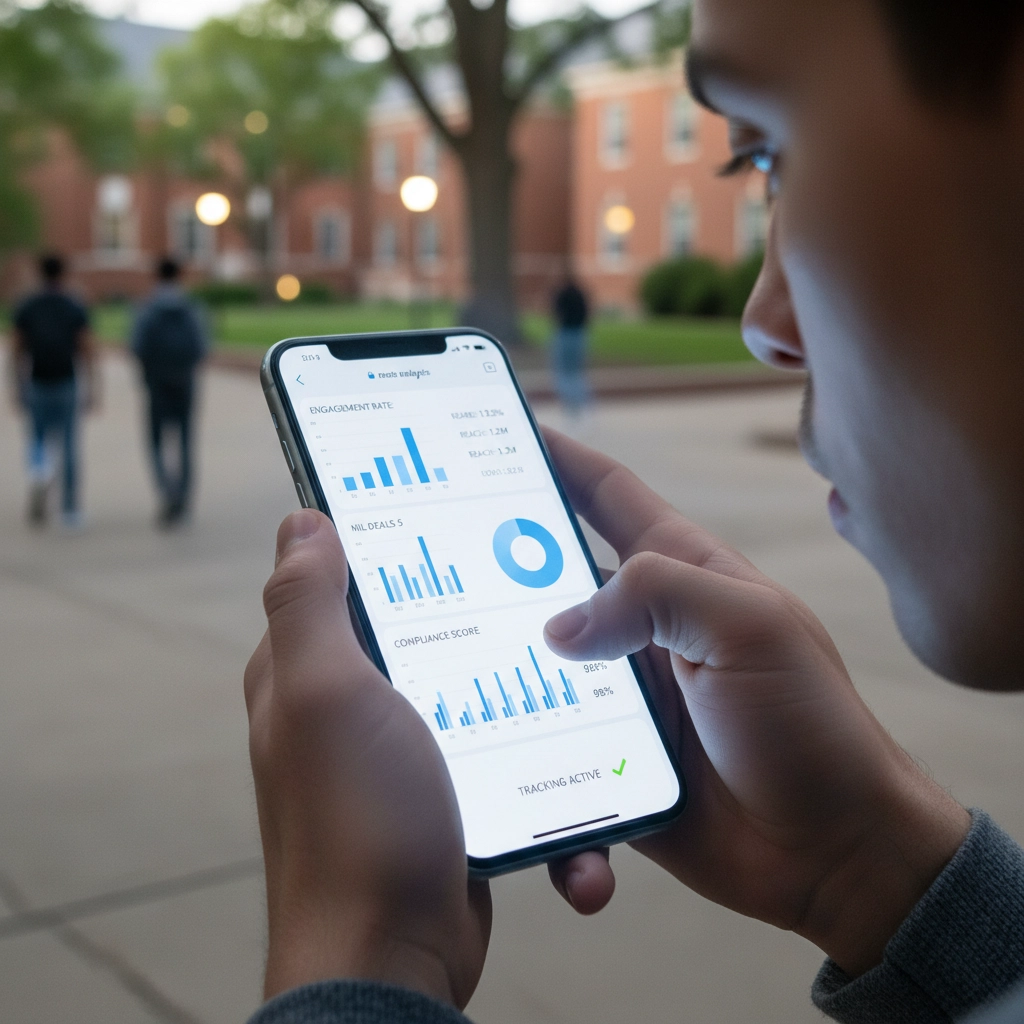
Manual tracking doesn't work at scale. You need software platforms designed specifically for NIL compliance that can:
- Track all agreements automatically
- Monitor academic standards
- Flag potential violations
- Generate reports for governing bodies
Step 3: Develop Comprehensive Policies
Your NIL policies must address every scenario your athletes might encounter. This includes social media partnerships, endorsement deals, camp appearances, and merchandise sales. Remember: you can be more restrictive than your governing body requires.
What Are the Most Common NIL Compliance Mistakes Athletic Directors Make?
Mistake #1: Assuming All States Have the Same Rules
Texas law, for example, has specific age restrictions for NIL deals. Prospective students 16 or younger cannot sign NIL agreements with any entity. Prospective students 17 or older can sign with postsecondary institutions. Your state's rules might be completely different.
Mistake #2: Inadequate Staff Training
Many athletic directors focus on training athletes but forget their staff. When coaches don't understand what they can discuss about NIL opportunities, they either stay silent (missing opportunities) or overstep boundaries (creating violations).
Mistake #3: Poor Communication Channels
Athletes need to feel comfortable asking questions about potential deals without fear of negative consequences. If your compliance office feels intimidating or unapproachable, athletes will make decisions without guidance.
How Should You Handle State-Specific NIL Compliance Requirements?
State laws vary dramatically, and you must comply with your specific jurisdiction's requirements. Some states have detailed legislation about:
- Age restrictions for NIL agreements
- Required disclosure timelines
- Prohibited deal types
- Academic performance requirements
Research your state's current laws and stay updated on proposed changes. Many states are revising their NIL legislation as they learn from early implementation challenges.
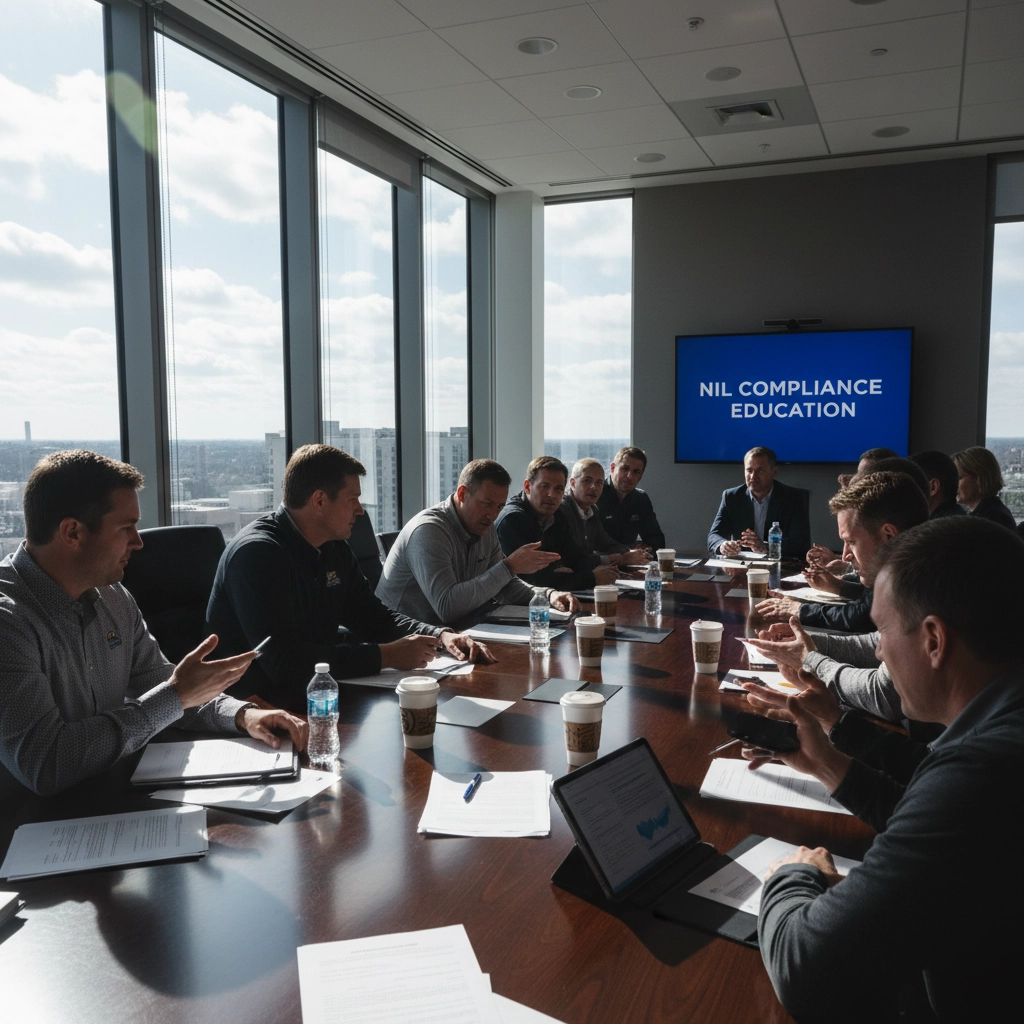
What Staff Training Should You Implement Right Now?
Your training program needs to cover four critical areas:
Legal Boundaries
What can staff legally discuss with athletes? What constitutes improper inducement? When must they refer athletes to compliance?
Communication Protocols
How should staff respond to athlete questions about NIL opportunities? What documentation is required for different types of interactions?
Scenario-Based Practice
Use real-world examples to help staff understand how to handle common situations. Role-playing exercises work better than theoretical discussions.
Regular Updates
NIL rules change frequently. Monthly training updates ensure your staff stays current on new requirements and best practices.
Consider partnering with legal experts who specialize in sports law to ensure your training materials are accurate and comprehensive.
How Do You Create Effective NIL Monitoring and Oversight?
Establish Clear Reporting Lines
Athletes should know exactly who to contact with NIL questions and when to seek approval. Create multiple touchpoints so athletes can get help quickly when opportunities arise.
Conduct Regular Audits
Monthly reviews of NIL agreements, staff communications, and compliance procedures help identify issues before they become violations. Look for patterns that suggest systemic problems.
Document Everything
Every conversation, decision, and agreement should be documented. This documentation protects both your institution and your athletes if questions arise later.
Monitor Social Media Activity
NIL deals often involve social media promotion. Regular monitoring helps ensure athletes are complying with agreement terms and institutional policies.

Your 90-Day NIL Compliance Action Plan
Days 1-30: Assessment and Foundation
- Audit current policies against conference and state requirements
- Designate a dedicated NIL compliance officer
- Identify technology solutions for agreement tracking
- Schedule legal consultation for policy review
Days 31-60: Implementation and Training
- Deploy NIL tracking software
- Conduct comprehensive staff training
- Create athlete education materials
- Establish clear communication protocols
Days 61-90: Testing and Refinement
- Run compliance scenarios with staff
- Test reporting procedures with sample agreements
- Refine policies based on initial feedback
- Document all procedures for ongoing reference
The goal isn't perfection on day one, it's building a system that improves continuously while protecting your program from major violations.
Frequently Asked Questions About NIL Compliance
What happens if an athlete signs a deal without notifying us?
The athlete may face eligibility consequences, but your institution typically isn't penalized if you have proper notification procedures in place.
Can we prohibit certain types of NIL deals?
Yes, institutions can implement more restrictive policies than governing body minimums. Common restrictions include alcohol, tobacco, and competing brand promotions.
How do we determine fair market value for NIL deals?
Work with legal experts to establish guidelines based on the athlete's actual earning potential, social media following, and market comparisons.
What documentation do we need for NIL compliance audits?
Keep copies of all agreements, communication records, approval documentation, and compliance reviews. Assume everything will be audited.
The NIL landscape is complex, but it's not impossible to navigate successfully. Athletic directors who invest in proper compliance infrastructure now will protect their programs, support their athletes, and avoid the costly penalties that catch unprepared institutions.
Ready to take your NIL compliance to the next level? Learn more about comprehensive NIL management solutions at https://mysportsmedia.com/nil and discover how technology can simplify your compliance obligations while protecting your program's future.
Remember: in NIL compliance, being proactive isn't just smart; it's essential for survival in the evolving world of collegiate athletics.