Here's the reality check nobody wants to talk about: while everyone's celebrating the NIL revolution, most college athletes are still broke.
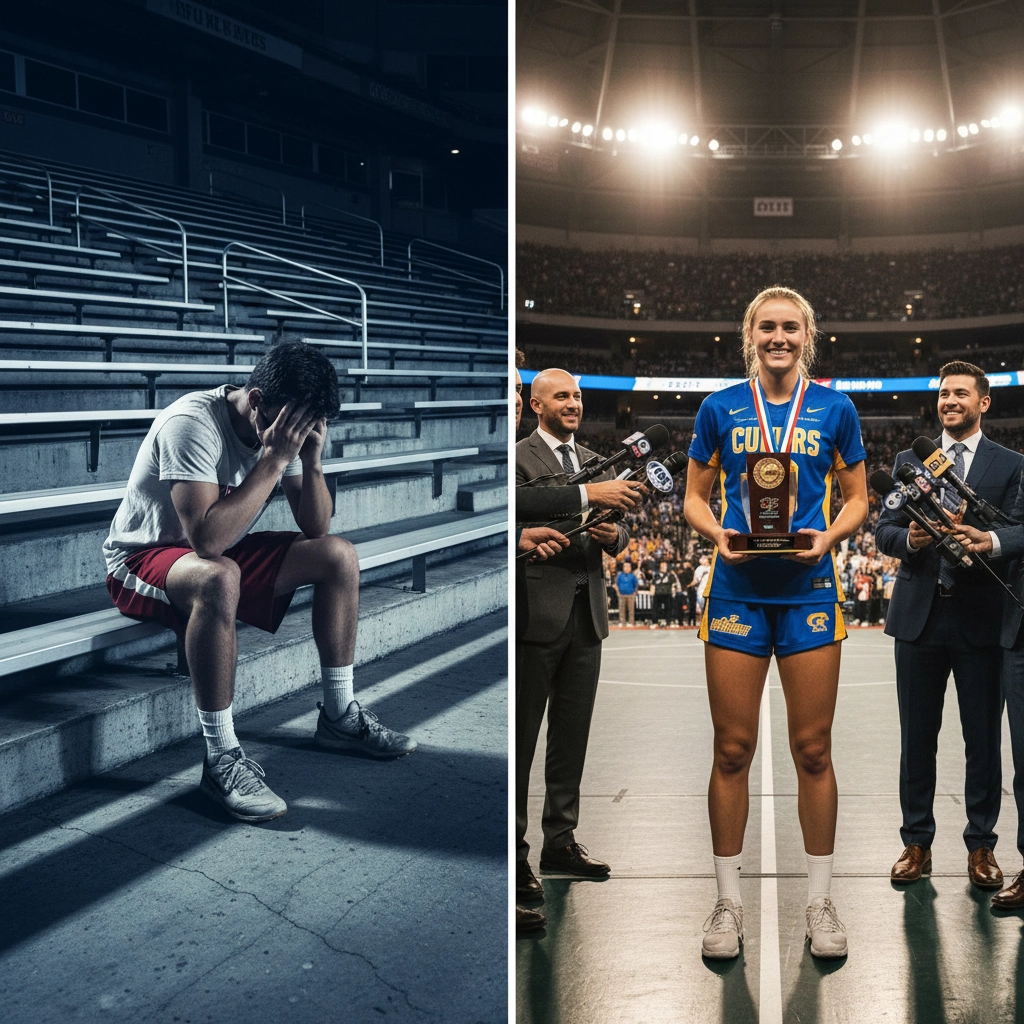
Sure, you've heard about LSU gymnast Olivia Dunne making millions or top football recruits signing six-figure deals before they even step on campus. But here's what the headlines don't tell you: roughly 90% of college athletes earn absolutely nothing from their name, image, and likeness rights.
Zero. Zilch. Nada.
Meanwhile, a tiny percentage of athletes are raking in serious cash. So what gives? Why are some athletes building generational wealth while others can't even afford pizza money? More importantly, how do you make sure you're not stuck in the 90% watching everyone else get paid?
The Brutal Truth About NIL Money
The NIL market isn't some magical equalizer where every athlete gets their fair share. It's a cutthroat business that follows the same rules as any other market: supply and demand, brand value, and audience reach.
Think about it like this. Nike has a marketing budget. They can either sponsor 1,000 unknown athletes for $100 each, or they can pay one star athlete $100,000. Which option do you think generates more buzz, more sales, and more return on investment?
The average annual NIL value per student-athlete ranges from $1,000 to $10,000. But that "average" is misleading because it includes the superstars earning hundreds of thousands. When you remove the outliers, most athletes are earning closer to zero than even that modest range.
This isn't about fairness. It's about business. And if you want to join the top 10%, you need to start thinking like a business too.
Why 90% of Athletes Strike Out
You're Playing the Wrong Game
Most athletes think NIL is about being good at their sport. Wrong. NIL is about being good at marketing yourself. You could be the best Division II volleyball player in the country, but if nobody knows who you are, brands won't care.
Meanwhile, a mediocre football player with 50,000 TikTok followers can out-earn you by 10x. Fair? No. Reality? Absolutely.
Your Sport Doesn't Matter (To Brands)
Here's another harsh truth: not all sports are created equal in the NIL world. Football and basketball dominate because they have massive TV audiences and passionate fanbases. Wrestling, track and field, and most Olympic sports? Much tougher to monetize, regardless of your talent level.
That doesn't mean athletes in "smaller" sports can't succeed (hello, Olivia Dunne), but it means you need to work twice as hard on building your personal brand.
You're Scared of the Paperwork
NIL deals come with tax implications, compliance requirements, and legal considerations that intimidate many athletes. All NIL income is taxable, and recent rule changes require reporting deals worth more than $600. Some schools even require third-party review of certain agreements.
Rather than learning the rules and getting help, most athletes just avoid deals altogether. Meanwhile, savvy athletes are building teams of advisors and treating NIL like the business it is.

What the Top 10% Do Differently
They Built Their Brand Before They Needed It
Top NIL earners didn't start building their social media presence after they became stars. They started early, posting consistently, engaging with fans, and creating content that showcased both their athletic abilities and their personalities.
Look at any top NIL earner and you'll see years of strategic content creation. They understood that in the social media age, athletes are entertainers first and competitors second.
They Picked the Right School
This might sound cynical, but your choice of university directly impacts your NIL earning potential. Athletes at Alabama, Ohio State, and other major programs have built-in advantages: bigger fanbases, more media coverage, and stronger alumni networks.
If you're choosing between a full ride at a small school and a partial scholarship at a major program, consider the NIL implications. The exposure and opportunities at the bigger school might be worth the financial difference.
They Diversified Their Revenue Streams
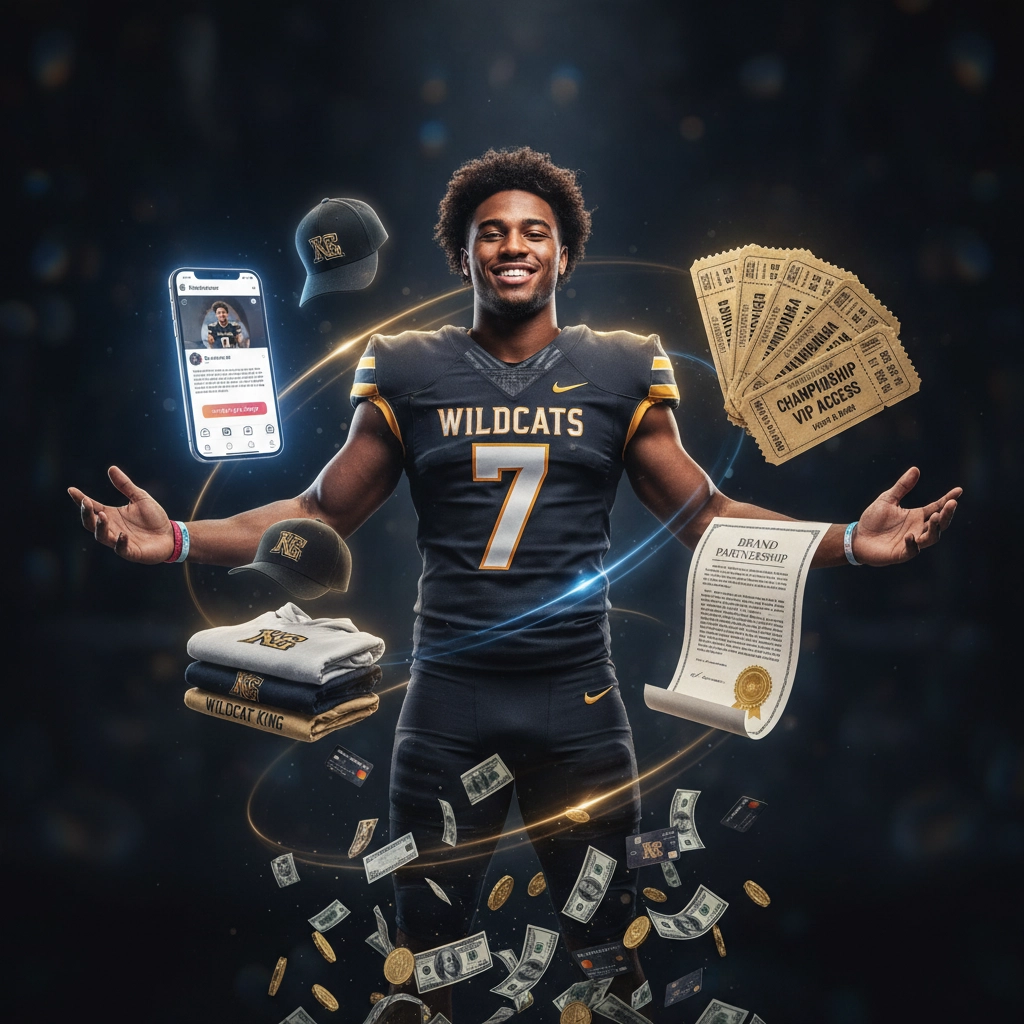
The biggest NIL earners don't rely on one massive deal. They build portfolios: brand partnerships, merchandise sales, personal appearances, social media content, local business collaborations, and more.
This approach provides stability and shows potential partners that you're serious about business, not just looking for a quick payday.
Your Playbook for Joining the Top 10%
Start Building Your Digital Empire Today
If you don't have a strong social media presence, you're already behind. But it's not too late to catch up. Here's your game plan:
- Pick 2-3 platforms and commit to posting consistently
- Share behind-the-scenes content from training and competition
- Show your personality, not just your athletic highlights
- Engage with fans, respond to comments, and build genuine relationships
- Study what successful NIL athletes in your sport are doing and adapt their strategies
Remember: professional athletes earn approximately $0.80 per Instagram follower from endorsement portfolios. Your followers aren't just vanity metrics, they're your earning potential.
Master the Business Side
Too many athletes treat NIL as a side hustle instead of a business. If you want to join the top 10%, you need to think bigger:
- Consider forming an LLC to optimize your tax situation
- Build relationships with lawyers, accountants, and agents who understand NIL
- Learn to negotiate contracts and understand market rates
- Keep detailed records of all income and expenses
- Develop a long-term brand strategy, not just a quick cash grab
Leverage New Opportunities
The NIL landscape keeps evolving. The recent House v. NCAA settlement allows schools to pay athletes directly and permits NIL negotiations before enrollment. Stay informed about rule changes and be ready to adapt your strategy.
Also, don't overlook local opportunities. That regional car dealership or restaurant chain might not offer the prestige of a Nike deal, but they could provide steady income and valuable business relationships.
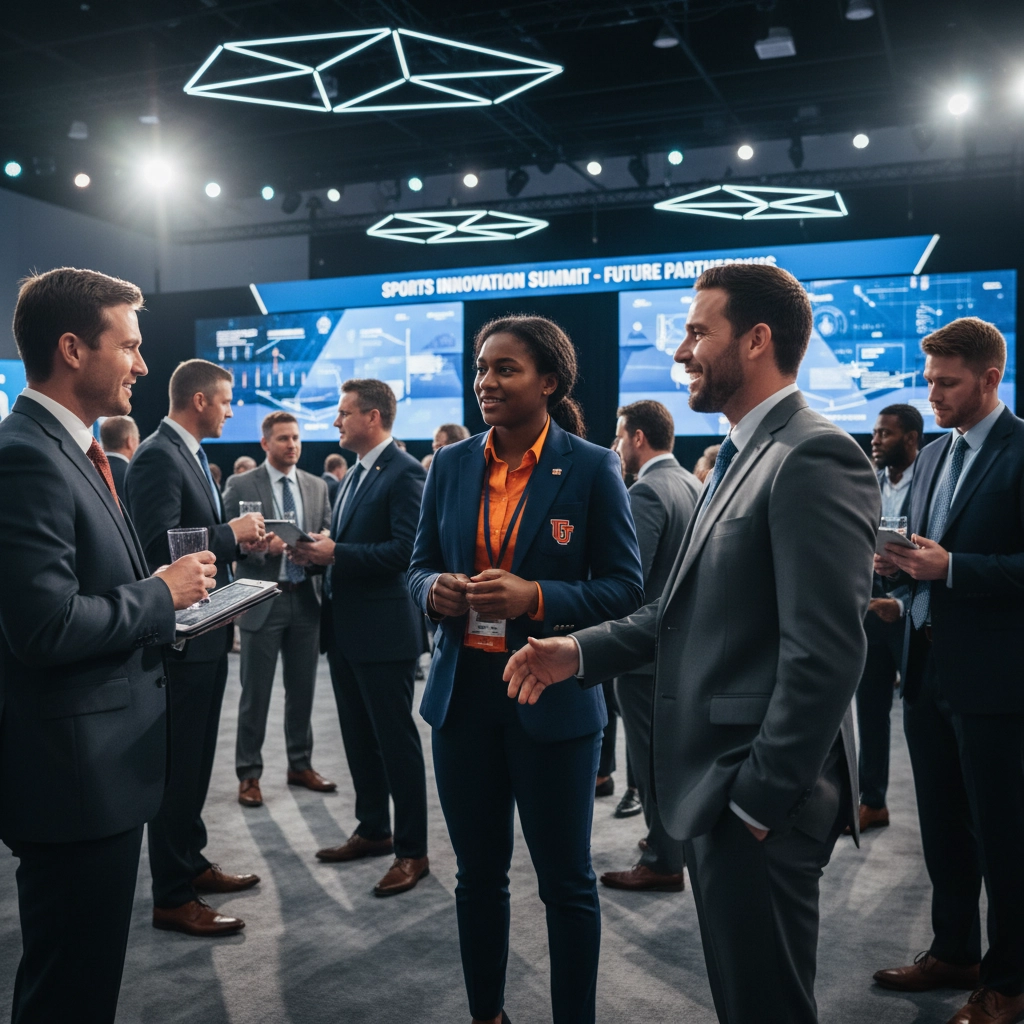
Network Like Your Career Depends on It
Because it does. The best NIL opportunities often come through personal connections, not cold outreach. Build relationships with:
- Local business owners and alumni
- Other successful student-athletes
- Sports media professionals
- Brand representatives and marketing agencies
- NIL service providers and consultants
The Reality Check You Need
Here's what nobody wants to admit: most college athletes will never earn significant NIL money, no matter how hard they work or how good they are at their sport. The market is simply too concentrated at the top.
But that doesn't mean you should give up. Even if you never become a NIL millionaire, the skills you develop – personal branding, social media marketing, business relationships, financial literacy – will serve you well long after your athletic career ends.
The athletes who approach NIL strategically aren't just building short-term income streams. They're developing the foundation for lifelong career success. Whether you become the next NIL superstar or just earn enough for some extra spending money, you'll be better prepared for whatever comes next.
The choice is yours: stay in the 90% hoping things change, or start building the skills, relationships, and brand that could put you in the top 10%.
The revolution is happening with or without you. Make sure you're not watching from the sidelines.
Ready to start building your NIL strategy? Check out our comprehensive NIL resources to learn more about maximizing your earning potential as a student-athlete.