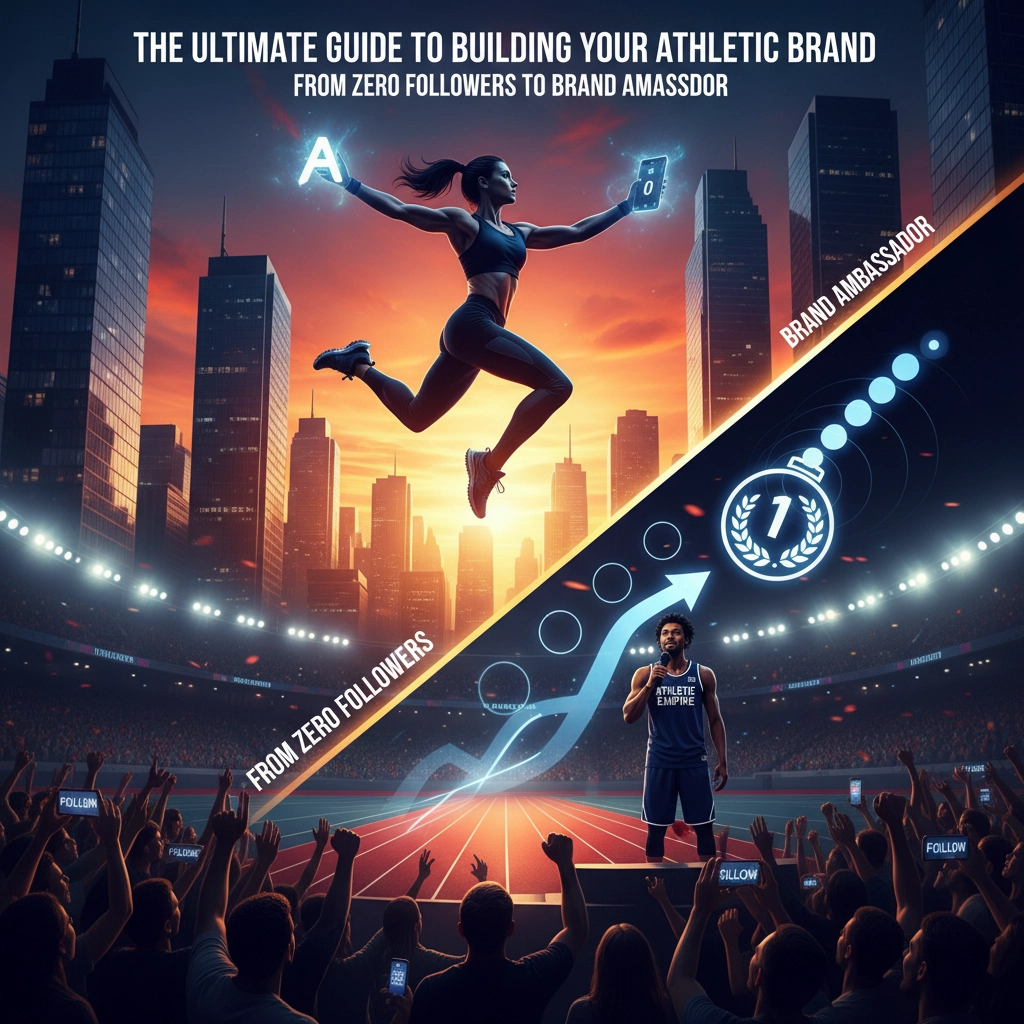
Building an athletic brand from zero followers to brand ambassador status isn't just about posting gym selfies and hoping for the best. It's a strategic game that requires the same dedication you bring to your training. The good news? Every superstar athlete started exactly where you are right now.
Let's break down the exact playbook that transforms unknown athletes into brand magnets.
Step 1: Figure Out Who You Actually Are
Before you post a single photo, you need to answer the brutal question: what makes you different from the thousands of other athletes grinding it out on social media?
Your unique value proposition isn't just "I work hard" or "I'm passionate about my sport." Everyone says that. Instead, dig deeper. Maybe you're the comeback kid who overcame a career-threatening injury. Perhaps you're revolutionizing training methods in your sport. Or you could be the athlete who's equally obsessed with mental health advocacy.

Here's a simple exercise: write down three things that make your athletic journey completely unique. Not your achievements (those come later), but your perspective, your background, your approach. This becomes the foundation of everything you build.
Step 2: Create Your Digital Home Base
Your social media profiles are your business cards, your billboards, and your first impression all rolled into one. This means every single element needs to work in your favor.
Start with your bio. Skip the generic "Athlete | Dreamer | Believer" nonsense. Instead, tell people exactly what you do and why they should care. "Turning D3 soccer players into D1 transfers through mental toughness training" beats "Soccer player and motivational speaker" every single time.
Your profile photo should be professional but approachable. Action shots work great, but make sure your face is clearly visible. People follow people, not helmets or uniforms.
Step 3: Content That Actually Matters
Here's where most athletes completely blow it. They think posting random workout videos and motivational quotes is enough. Spoiler alert: it's not.
Your content needs to serve your audience, not just stroke your ego. Before you post anything, ask yourself: "What does my audience get from this?" If the answer is nothing, delete it and start over.
The magic formula? 70% value-driven content, 20% behind-the-scenes personal stuff, and 10% direct promotion. Value-driven means teaching something, sharing insights, or solving problems. Show the technique that gave you an edge. Break down the mental strategies you use in pressure situations. Share the nutrition hack that boosted your performance.

Behind-the-scenes content humanizes you. Your struggles with a difficult coach, your pre-game rituals, your recovery process after a tough loss. This is where people connect with you as a person, not just an athlete.
Step 4: Master the Social Media Game
Each platform has its own personality, and you need to speak their language.
Instagram loves visual storytelling. Use Stories to show your daily grind, Reels for quick tips and highlights, and feed posts for more thoughtful content. The algorithm rewards consistency, so pick a posting schedule and stick to it religiously.
TikTok is all about entertainment and education compressed into bite-sized content. Quick form corrections, training hacks, or even funny behind-the-scenes moments can go viral if they hit the right note.
Twitter (or X, whatever we're calling it now) works best for real-time updates, engaging in sports conversations, and sharing quick thoughts. During games or competitions, live-tweeting can build serious engagement.
YouTube is your long-form playground. Deep dives into training philosophy, full workout tutorials, or documentary-style content about your journey all perform well.
Step 5: Build Real Relationships
Growing followers isn't about gaming the algorithm or buying fake engagement. It's about building genuine relationships with people who care about your journey.
Respond to comments like you're talking to friends, not managing a brand account. Ask your audience questions. Share their content when it's relevant. Remember, social media is called "social" for a reason.
Consider running challenges or interactive campaigns. "30-day strength building challenge" or "Mental toughness Monday" give your audience a reason to engage regularly and creates a community around your brand.

Step 6: Transition from Athlete to Influencer
Once you've built a solid following and engagement rate, brands will start noticing. But don't wait for them to come to you. Be proactive.
Create a media kit that showcases your reach, engagement rates, and audience demographics. Include examples of your best content and any previous brand collaborations. This shows you're serious about partnerships, not just looking for free gear.
Start small with local businesses or smaller brands in your sport. These partnerships might not pay much initially, but they give you experience and content for your portfolio. Plus, smaller brands often allow more creative freedom.
Step 7: Become the Brand Ambassador Everyone Wants
The difference between someone who gets occasional sponsorship deals and a true brand ambassador is simple: ambassadors don't just promote products, they embody brand values.
This means being incredibly selective about partnerships. Your audience trusts your recommendations, so don't blow that trust on products you don't actually use or believe in. One authentic partnership is worth ten transactional deals.
When you do partner with brands, go beyond the basic requirements. Create content that tells a story about how the product fits into your training or lifestyle. Show results over time. Bring the brand into your narrative rather than just slapping their logo on everything.

The Long Game
Building an athletic brand isn't a sprint, it's a marathon with some pretty serious hill climbs. There will be months where your growth stalls, posts that flop completely, and brand deals that fall through at the last minute.
The athletes who make it to brand ambassador status are the ones who stay consistent when nobody's watching, continue improving their content when engagement drops, and keep providing value even when the rewards aren't immediate.
Your athletic career has an expiration date, but your brand doesn't have to. Start building now, stay authentic, and focus on serving your audience. The followers, partnerships, and opportunities will follow.
Remember, every brand ambassador started with zero followers. The only difference between them and athletes who stay stuck? They treated their brand building with the same intensity they brought to their training.
Now stop reading and start building. Your future brand ambassador self will thank you.
Want to learn more about maximizing your athletic potential through strategic NIL opportunities? Check out our comprehensive resources at Name. Image, likeness. to take your brand to the next level.