Being an athletic director in 2025 feels a bit like trying to juggle flaming torches while riding a unicycle, right? The NIL landscape keeps evolving, and suddenly you're not just managing sports programs – you're also the compliance sheriff, the brand strategist, and sometimes the therapist when deals go sideways.
But here's the good news: NIL compliance doesn't have to be a nightmare. With the right framework and some practical strategies, you can turn this challenge into an opportunity to support your student-athletes while keeping your program squeaky clean.
The New Reality: What Changed in 2025
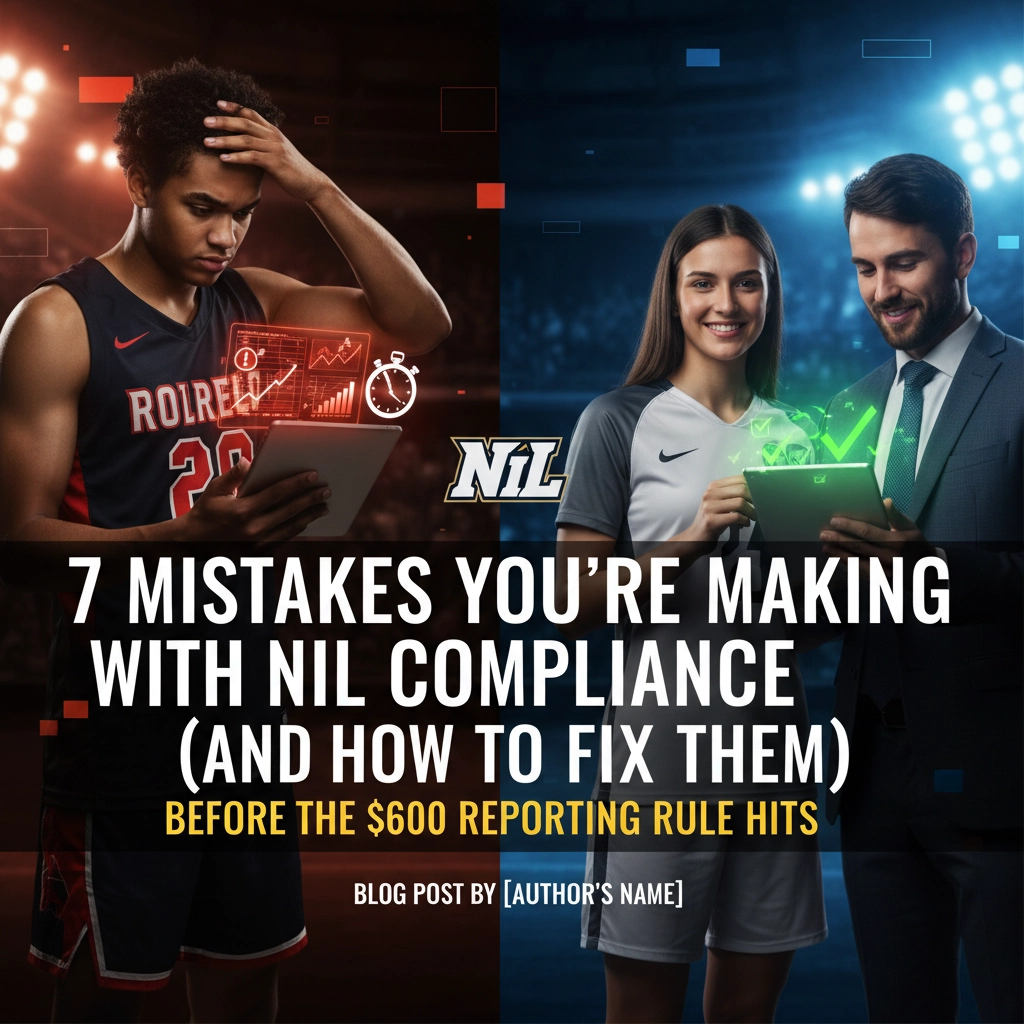
Let's cut to the chase. The biggest game-changer this year is the mandatory reporting requirement that kicked in on June 7, 2025. Every NCAA Division I student-athlete now has to report NIL deals worth $600 or more through the NIL Go portal within 30 days of signing.
This isn't just paperwork for paperwork's sake. The College Sports Commission (CSC) is now actively reviewing these deals based on three key factors: who's paying (payor association), whether there's a legitimate business purpose, and if the compensation makes sense (range of compensation).
Translation? The wild west days of NIL are over. It's time to get organized.

Your Compliance Checklist: The Non-Negotiables
The 30-Day Rule
When a student-athlete signs an NIL deal, the clock starts ticking. They have 30 days to get it reported through NIL Go. Miss this deadline, and you're looking at potential eligibility issues. Set up automated reminders, create a shared calendar, do whatever it takes to make sure nothing slips through the cracks.
The $600 Threshold
Not every Instagram post needs to be reported, but anything worth $600 or more does. This includes cumulative deals with the same company, so that $200 monthly social media partnership becomes reportable after three months.
Your 60-Day Window
As the athletic director, you've got your own deadline. All athlete benefits need to be submitted to the College Sports Commission within 60 days after the academic year ends. Start collecting this information early – don't wait until May to figure out what happened in September.
Building Your Compliance Strategy
Start With Education
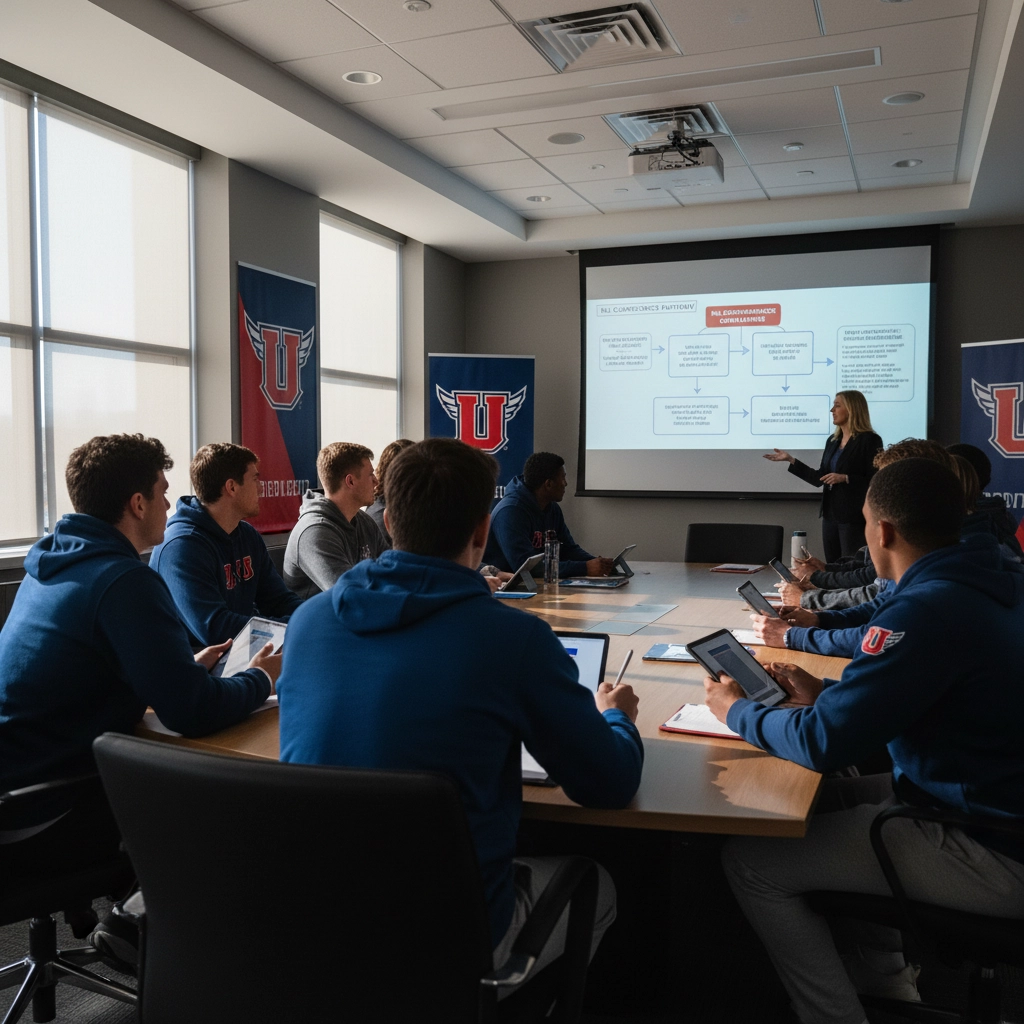
Your student-athletes need to understand NIL compliance, but so do your coaches, parents, and even boosters. Run regular workshops covering the basics: what needs to be reported, when it needs to be reported, and what could go wrong if it's not reported properly.
Make these sessions practical. Walk through real examples, show them the NIL Go portal, and create simple checklists they can follow. The goal isn't to scare anyone away from NIL opportunities – it's to make compliance feel manageable.
Invest in Technology
Spreadsheets and sticky notes aren't going to cut it anymore. You need a system that can track deals, send reminders, and generate reports. Many schools are investing in compliance software that integrates with NIL Go and provides real-time oversight of their programs.
Create Clear Policies
Your NIL policy should be comprehensive but not intimidating. Cover everything from social media partnerships to appearance fees, but write it in plain English. Include examples of compliant vs. non-compliant scenarios, and make sure it's easily accessible to everyone in your program.
The Big Mistakes (And How to Avoid Them)
Overvalued Deals
The CSC is paying close attention to deals that seem too good to be true. A backup linebacker getting $50,000 for a single social media post? That's going to raise red flags. Make sure your athletes understand market value and can justify their compensation.
Incomplete Documentation
"Trust me, coach, the deal is legit" isn't going to fly anymore. Every NIL agreement needs complete documentation: contracts, communications, deliverables, payments. Create a simple filing system and make sure athletes know what paperwork to keep.
Title IX Oversights
This one catches a lot of people off guard. Schools need to provide equitable NIL opportunities across genders. You don't need identical payments, but you do need equal access to opportunities and resources. Track your NIL activities by gender and make sure you can demonstrate equity.

Missing the Forest for the Trees
Don't get so caught up in individual deal compliance that you miss bigger picture issues. Are certain boosters consistently offering deals to recruits? Are deals structured to circumvent recruiting rules? Stay alert to patterns that could indicate pay-for-play arrangements.
When Things Go Wrong: Penalties and Enforcement
The College Sports Commission isn't messing around with penalties. For student-athletes, violations can mean lost eligibility, financial fines, or being banned from future NIL opportunities.
For your institution? We're talking about fines from $100,000 to $5 million, potential postseason bans, coaching suspensions, and scholarship reductions. These aren't slap-on-the-wrist consequences – they're program-defining penalties.
The key is catching problems early. Regular audits, open communication with athletes, and proactive monitoring can help you spot issues before they become violations.
Building Your Support Network
Legal Partnerships
You need attorneys who specialize in sports law and understand NIL regulations. Don't wait until you have a problem – establish these relationships now. Many schools are putting NIL attorneys on retainer to provide ongoing consultation.
Compliance Team Development
Your compliance office needs dedicated NIL expertise. This might mean hiring specialists or training existing staff, but you can't treat NIL as an add-on responsibility anymore. These team members need to understand the portal, the reporting requirements, and the red flags to watch for.

Business Community Connections
Partner with local businesses to create compliant NIL opportunities for your athletes. These relationships help ensure deals have legitimate business purposes while providing valuable experiences for your student-athletes.
Your Action Plan: Getting Started
Week 1: Audit your current NIL activities. What deals are active? What's been reported? What documentation exists?
Week 2: Meet with your legal and compliance teams to review policies and identify gaps.
Week 3: Schedule education sessions for athletes, coaches, and staff. Make these interactive and practical.
Week 4: Implement tracking systems and establish regular check-in processes with your athletes.
Month 2 and Beyond: Regular audits, policy updates as regulations evolve, and ongoing education to keep everyone informed.
The NIL landscape will keep changing, but with solid systems and proactive management, you can stay ahead of the curve. Remember, compliance isn't about limiting opportunities – it's about maximizing them while protecting your program and your athletes.
Your student-athletes want to succeed, your institution wants to stay compliant, and the regulations want transparency. Find the sweet spot where all three objectives align, and you'll have a NIL program that works for everyone.
Ready to get compliant? Check out our NIL resources for templates, checklists, and tools to help streamline your compliance process.