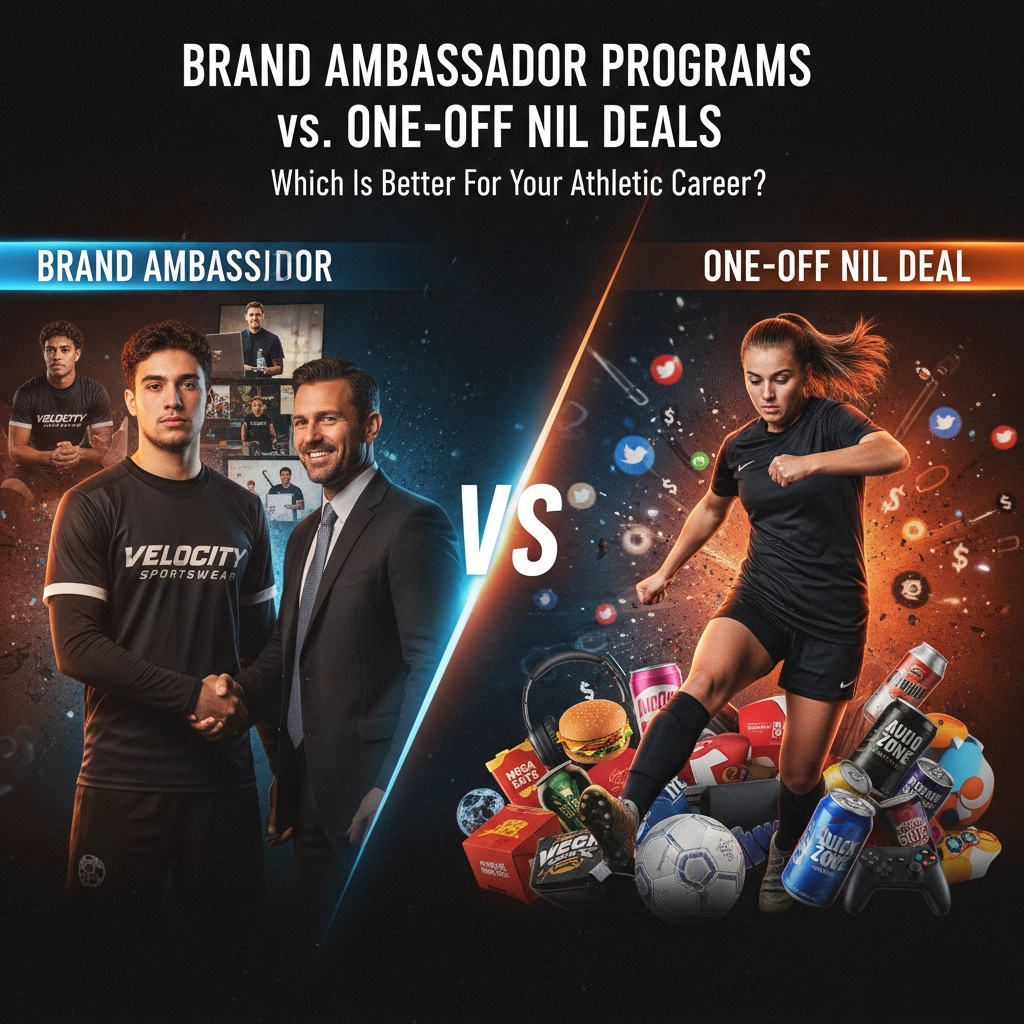
Choosing the right sponsors can make or break your NIL journey. With the market expected to generate around $1.14 billion, athletes face a crucial decision: chase the big-name Fortune 1000 brands or build relationships with individual and local sponsors?
The answer isn't as straightforward as you might think. Both paths offer unique advantages, and the best strategy often combines elements of both approaches. Let's break down what each option brings to the table so you can make informed decisions about your NIL future.
The Fortune 1000 Advantage: Big Brands, Big Opportunities
Fortune 1000 companies dominate the NIL landscape for good reason. These corporate giants bring substantial resources, professional marketing expertise, and massive audience reach that can transform an athlete's career trajectory overnight.
Financial Powerhouse
National brands currently account for more than 60% of all NIL deal value. When you look at the numbers, it's easy to see why athletes gravitate toward these partnerships. Apparel and footwear companies alone represent approximately $400 million in annual NIL spending, with industry leaders like Nike and Adidas leading the charge.
These deals typically offer compensation well above the average NIL range of $1,000 to $10,000 per student-athlete. Elite partnerships can reach six figures, especially for athletes with proven social media engagement and strong personal brands.
Professional Marketing Machine
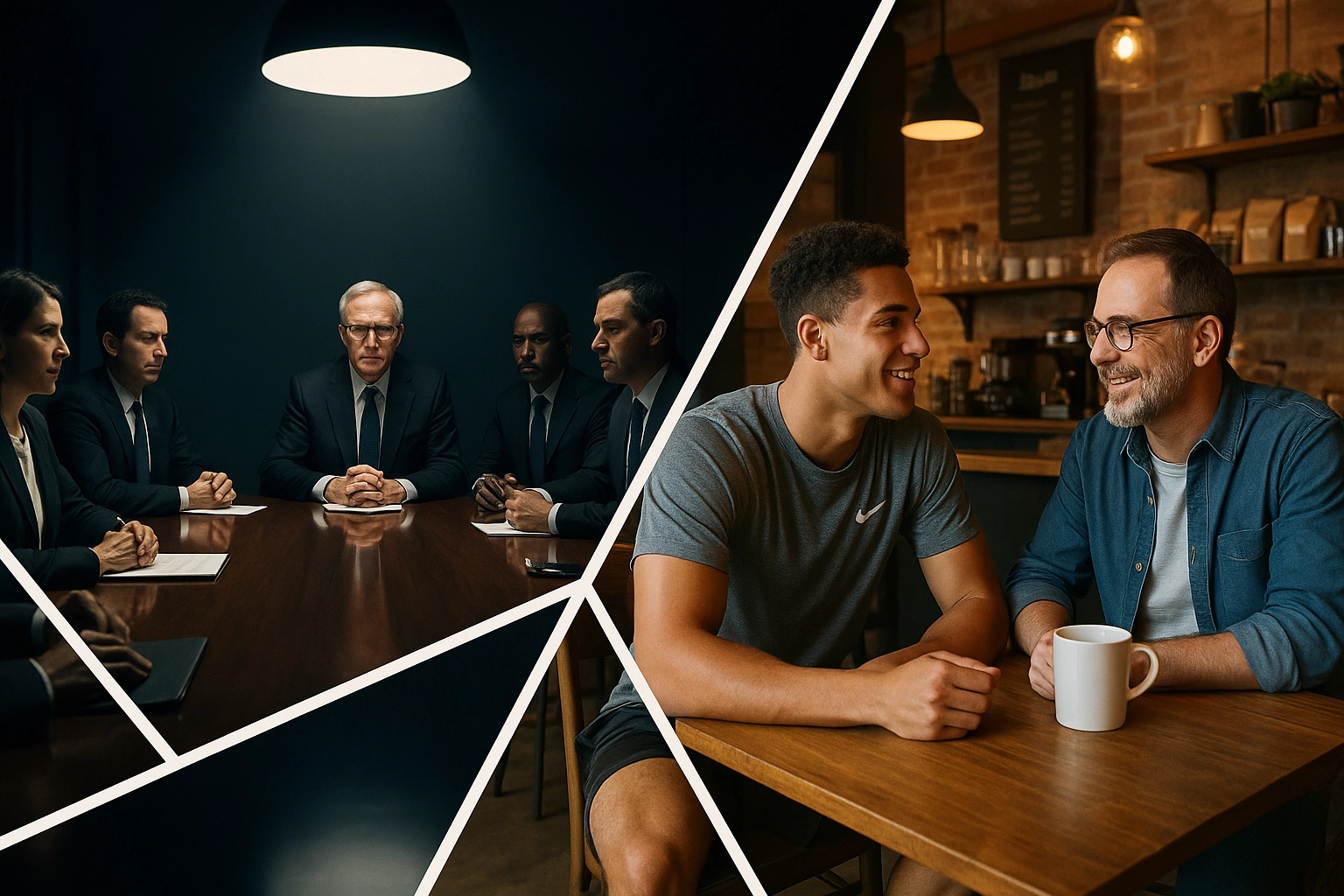
Working with Fortune 1000 brands means access to professional content creation teams, established marketing campaigns, and proven strategies that have worked across multiple sports and demographics. These companies understand how to maximize reach and engagement, often providing athletes with high-quality photo shoots, video production, and campaign management.
The marketing support extends beyond just creating content. These brands have relationships with media outlets, influencer networks, and distribution channels that individual sponsors simply cannot match. This professional backing can significantly elevate an athlete's profile and create opportunities beyond the initial partnership.
National Recognition and Credibility
Landing a Fortune 1000 sponsor provides instant credibility in the marketplace. Other brands take notice when major companies invest in an athlete, often leading to additional partnership opportunities. This snowball effect can be particularly valuable for athletes looking to build long-term earning potential.
The Competition Reality
However, the path to Fortune 1000 partnerships isn't easy. Competition is intense, with these opportunities typically reserved for top-tier athletes who already have large social media followings and proven engagement rates. The application and approval process can be lengthy and complex, requiring professional representation in many cases.
Athletes also face less creative control over content and messaging. Large corporations have established brand guidelines and marketing strategies that leave little room for personal expression or authentic storytelling.
Individual Sponsors: The Personal Touch
Individual and local sponsors represent a different approach to NIL strategy, one that prioritizes relationship-building, accessibility, and creative freedom over pure financial gain.
Accessibility for All Athletes
Local businesses and individual sponsors have democratized sports marketing in ways that weren't possible before NIL regulations changed. Previously, these smaller entities were priced out of sports partnerships, but now they can work directly with college athletes for campaigns that fit their budgets.
This accessibility means opportunities exist for athletes at all skill levels, not just superstars. A Division II basketball player can partner with the local pizza shop just as easily as a top quarterback can work with a regional car dealership.
Authentic Relationship Building
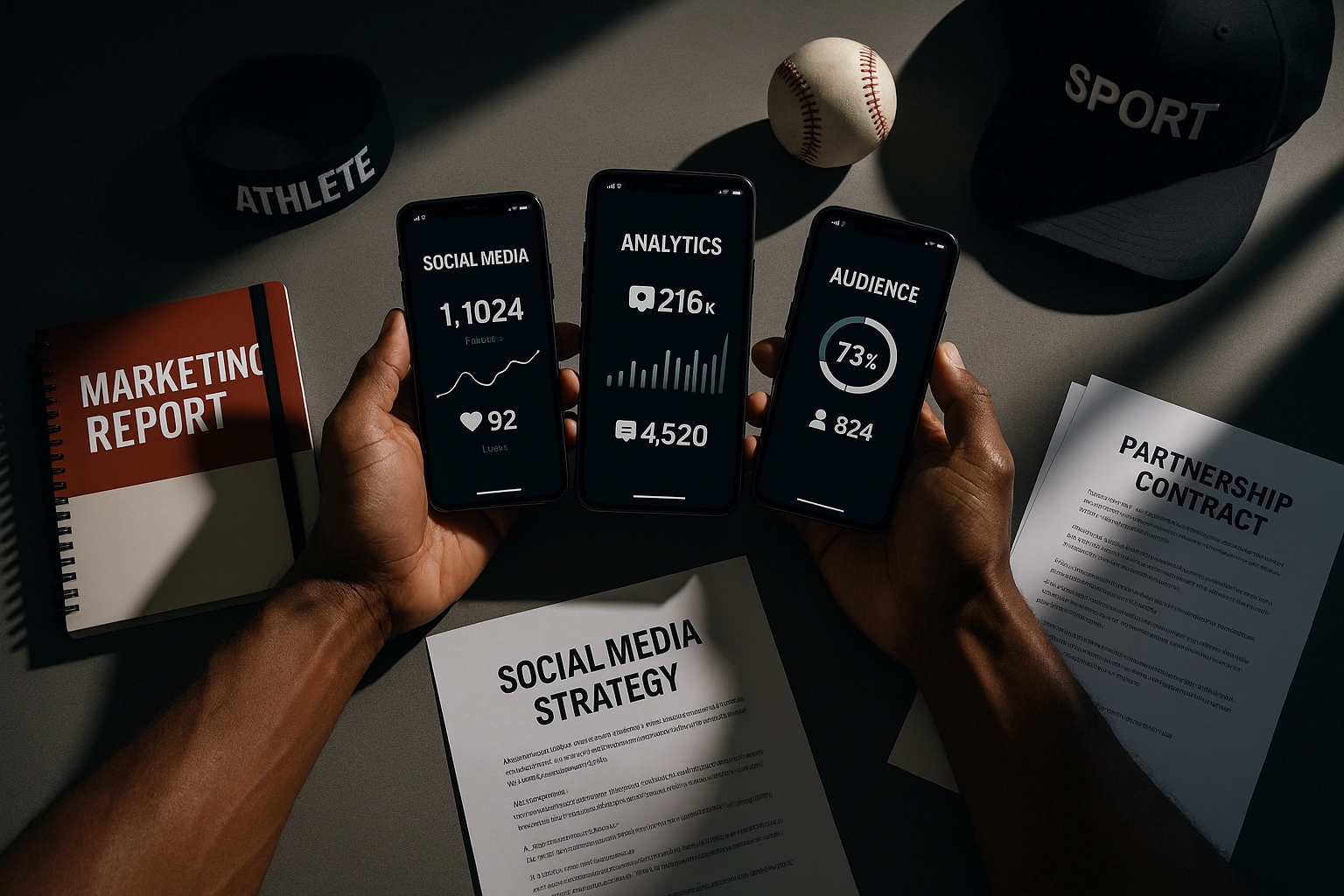
Individual sponsors often provide opportunities for genuine relationship building that extends beyond contractual obligations. Local business owners frequently become mentors, offering career advice and networking opportunities that can prove valuable long after graduation.
These partnerships feel more authentic to audiences because they often reflect genuine connections between athletes and their communities. When a student-athlete promotes their favorite local restaurant, followers recognize the authenticity in ways that scripted corporate campaigns cannot replicate.
Creative Freedom and Flexibility
Working with individual sponsors typically means more creative control over content and messaging. Athletes can develop campaigns that align with their personal brand and values rather than conforming to corporate guidelines.
This flexibility allows for experimentation with different content types, posting schedules, and engagement strategies. Athletes can learn what resonates with their audience and refine their approach without the pressure of meeting corporate expectations.
Financial Limitations
The primary drawback of individual sponsor partnerships is financial. These deals typically fall within the standard $1,000 to $10,000 range, with many local partnerships offering even less. For athletes looking to maximize earning potential, individual sponsors alone may not provide sufficient income.
The reach limitation is also significant. Local campaigns rarely extend beyond regional markets, limiting an athlete's ability to build national recognition through these partnerships alone.
Strategic Approach: Building Your NIL Portfolio
The most successful NIL strategies often combine both approaches rather than choosing exclusively one path. Think of your sponsor relationships like an investment portfolio – diversification reduces risk while maximizing potential returns.
For Elite Athletes
If you're already attracting attention from major brands, pursue those Fortune 1000 partnerships aggressively while maintaining select local relationships. The substantial financial rewards and national exposure justify the competitive pursuit of corporate deals.
Use local partnerships strategically to maintain community connections and create authentic content that humanizes your brand. These relationships can provide content opportunities between major campaigns and help maintain engagement during quieter periods.
For Developing Athletes
Start with local businesses and individual sponsors to build experience, create content portfolios, and develop negotiation skills. These partnerships serve as stepping stones to larger opportunities while providing immediate value and income.
Focus on building genuine relationships that extend beyond single transactions. Local sponsors who see results from initial partnerships often increase investment over time or provide referrals to other businesses.

The Hybrid Strategy
Consider combining both approaches in a way that maximizes your unique strengths and market position. Local partnerships can provide steady income and authentic content opportunities while you pursue Fortune 1000 deals for upside potential.
This approach also helps during negotiations. Having multiple revenue streams provides leverage when discussing terms with any single sponsor, whether corporate or individual.
Making Your Decision
Your choice between Fortune 1000 brands and individual sponsors should align with your current market position, career goals, and personal values. Consider these factors when developing your strategy:
Current Market Position: Athletes with large followings and proven engagement rates should pursue corporate partnerships more aggressively. Those still building their audience may find more immediate success with local sponsors.
Geographic Location: Athletes in major metropolitan areas have access to more Fortune 1000 opportunities, while those in smaller markets may find stronger local sponsor ecosystems.
Sport and Season: Some sports attract more corporate attention than others. Revenue-generating sports during peak seasons often have more Fortune 1000 opportunities available.
Personal Brand Alignment: Consider which type of partnership better aligns with your values and long-term career goals. Authenticity resonates with audiences regardless of sponsor size.
The NIL landscape continues evolving, with 40 U.S. states now permitting high school NIL deals and 35% of brands investing exclusively in college sports. This expansion creates more opportunities across all levels, making strategic sponsor selection more important than ever.
Success in NIL isn't just about choosing the biggest brands or the most accessible partners. It's about building a diverse portfolio of relationships that support your financial goals, personal brand development, and long-term career aspirations. Whether that means chasing Fortune 1000 deals, building local community partnerships, or combining both approaches, the key is making intentional decisions that align with your unique situation and goals.
Ready to explore NIL opportunities? Learn more about developing your strategy at https://mysportsmedia.com/nil or get detailed program information at https://affilate.mysportsmedia.com/nil-program-details.