The NIL (Name, Image, Likeness) revolution has opened doors for college athletes to monetize their brands like never before. But behind the glossy marketing and promises of easy money lies a complex e-commerce ecosystem that most athletes don't fully understand. Let's pull back the curtain on what's really happening in the NIL merchandising world.
The Real Money Behind Those Commission Promises
When NIL merchandising platforms pitch athletes, they love throwing around impressive-sounding numbers. But here's what they're not telling you upfront: the commission structures vary wildly, and understanding these differences can make or break your earning potential.
Campus Ink, backed by Mark Cuban, advertises "industry-leading payouts" of $6-12 per item sold. Sounds great, right? This flat fee structure means you know exactly what you'll earn per sale, regardless of the item's retail price. But here's the catch: if your merchandise sells at premium prices, you might actually be leaving money on the table compared to percentage-based models.
On the flip side, platforms like Influxer promise that "the majority of gross profit will be distributed back to the student-athlete based on the sales of their individual merchandise." This percentage-based approach could be more lucrative if you're moving high-volume sales or premium items, but it also means less predictable earnings.
The secret? Most platforms won't tell you upfront which model they use until you're deep in negotiations. Always ask for specific commission structures before signing anything.
The Full-Service Promise (And What It Really Costs)
Here's something most athletes don't realize: these platforms aren't just taking a cut of your sales, they're positioning themselves as your complete merchandising partner. Campus Ink handles graphic design, compliance reporting, merchandise hosting, brand development, and customer service. Athlete's Thread provides personalized merchandise solutions through established e-commerce infrastructure.
While this sounds convenient (and it often is), it comes with hidden costs. When a platform handles everything, you lose control over:
- Design decisions and brand representation
- Pricing strategies
- Customer relationships
- Quality control
- Timing of product launches
The University of Colorado's partnership with Campus Ink exemplifies this model, where each participating athlete gets a "personalized digital locker room" for their merchandise. It's professional and polished, but it's also standardized across all athletes on the platform.
The Exclusivity Trap Most Athletes Fall Into
Here's a big one that catches many athletes off guard: exclusivity arrangements. Print shops and merchandising companies are actively advised to "create an agreement with the athlete to ensure you get exclusive rights to decorate apparel and any other lines of promotional items based on their NIL."
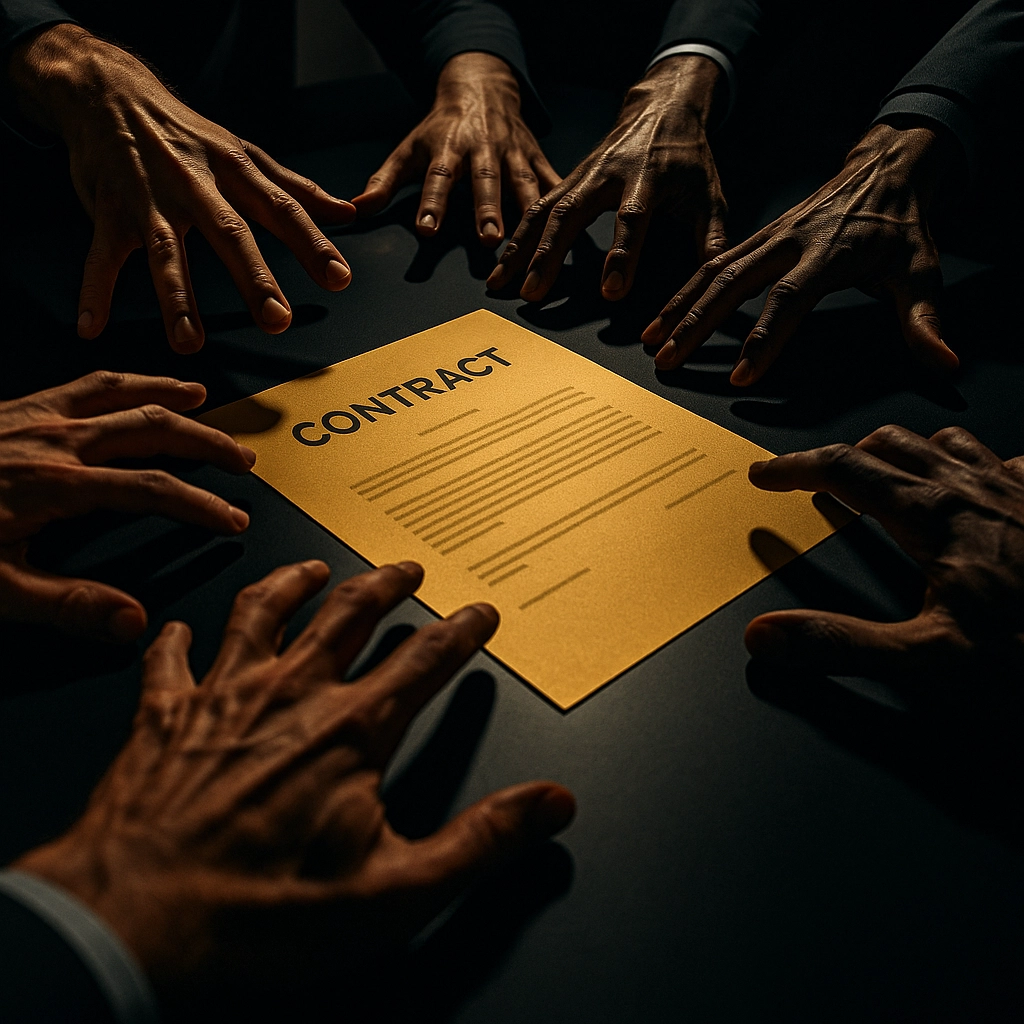
What does this mean for you? Once you sign with a platform that requires exclusivity, you can't:
- Work with other merchandising companies
- Explore different product lines through separate vendors
- Take advantage of better deals that come along later
- Maintain direct relationships with local print shops or designers
Many athletes sign these agreements without understanding the long-term implications. You might get excited about your first NIL deal and lock yourself into a contract that prevents you from capitalizing on better opportunities down the road.
The Legal Minefield Nobody Talks About
The NIL space is still the Wild West of college athletics. Companies and athletes are "setting precedents" with every contract negotiated. Legal experts consistently emphasize getting proper legal advice before signing any NIL contracts, but here's what they don't tell you: most standard NIL merchandising contracts contain terms that heavily favor the platform.
Key contract elements you need to scrutinize:
Duration: How long are you locked in? Some contracts auto-renew, trapping athletes in unfavorable deals.
Revenue sharing: Beyond the basic commission rate, who pays for returns, chargebacks, and promotional costs?
Creative control: Can you veto designs you don't like? Can you request specific products?
Termination clauses: How easy is it to get out if things aren't working?
The reality is that most college athletes don't have the resources to hire sports lawyers for every NIL contract, but platforms know this and structure their standard agreements accordingly.
The Popularity Contest You Can't Win
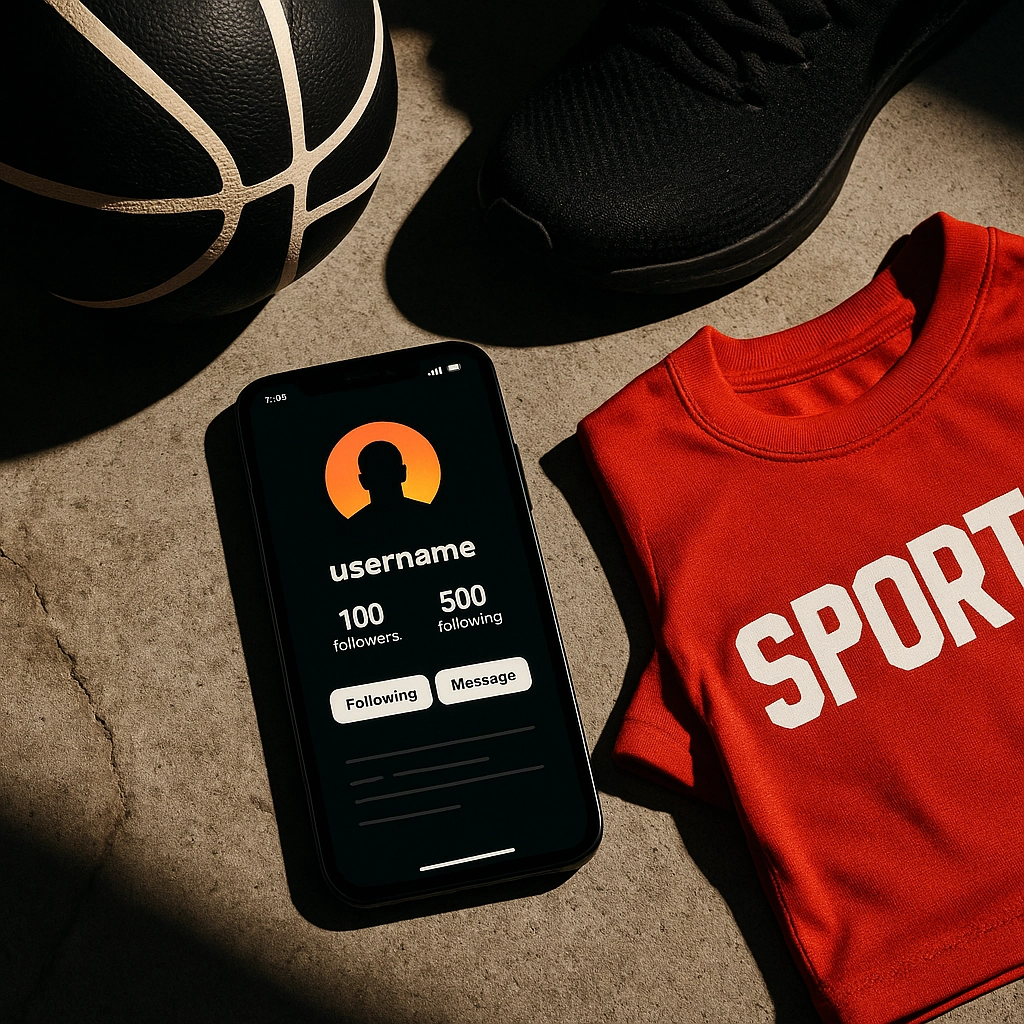
Here's the uncomfortable truth: while these platforms market themselves as providing opportunities for "every athlete," success depends heavily on your existing fan base and social media presence. The platforms invest in sophisticated infrastructure, design teams, and compliance reporting, but if you don't already have engaged followers, your merchandise sales will likely disappoint.
Consider this: platforms need to cover their operational costs across thousands of athletes. The athletes with large followings subsidize the infrastructure for everyone else, but if you're not driving significant sales volume, you become part of the cost base rather than a profit center.
Most successful NIL merchandising athletes already had:
- Strong social media followings
- Recognition beyond their immediate campus
- Engaged fan communities
- Understanding of personal branding
If you're not there yet, these platforms might not be your best first step into NIL monetization.
What the Platforms Don't Want You to Know About Alternatives
The big NIL merchandising platforms want you to think they're your only option for professional merchandise sales, but that's not true. Many successful athletes are finding alternatives:
Direct-to-consumer approaches: Setting up your own Shopify store or using print-on-demand services like Printful can give you higher margins and complete control.
Local partnerships: Working with local print shops and designers often provides better personal relationships and more flexibility.
Seasonal pop-ups: Instead of year-round commitments, some athletes do limited merchandise drops around big games or special events.
Collaborative approaches: Partnering with other athletes for co-branded merchandise can help share costs and cross-promote to different fan bases.
Making Smarter NIL Merchandising Decisions
Before jumping into any NIL merchandising deal, ask yourself these questions:
Do I have an engaged audience that actually buys merchandise? If you've never sold anything to your followers, a merchandising platform might not be your best first NIL opportunity.
What are my long-term brand goals? If you want to build a personal brand that extends beyond college athletics, maintaining control over your image and partnerships becomes crucial.
Am I ready to actively promote products? Successful NIL merchandising requires consistent social media promotion and fan engagement. It's not passive income.
The NIL merchandising space offers legitimate opportunities for college athletes to monetize their brands, but success requires understanding the business realities behind the marketing promises. The platforms provide valuable infrastructure and services, but they're not charity organizations, they're businesses designed to profit from your brand.
The key is approaching these opportunities with realistic expectations and a clear understanding of what you're agreeing to. Don't let the excitement of your first NIL opportunity cloud your judgment about long-term brand building and financial success.
Remember, NIL rights belong to you. These platforms are service providers, not your bosses. The more you understand about how their business models work, the better position you'll be in to negotiate fair terms and build sustainable income from your athletic brand.
For athletes ready to explore NIL opportunities strategically, understanding these industry realities is the first step toward making smart decisions that align with your personal and financial goals. The merchandising platforms aren't going anywhere, but armed with this knowledge, you can engage with them on more equal terms.